

In the dynamic landscape of the energy industry, the role of crude haulers is pivotal in ensuring the seamless and secure transport of crude oil from extraction sites to refineries. As a leading crude hauler supplier, I understand the critical importance of safeguarding this valuable resource throughout its journey. In this blog, I'll delve into the multifaceted strategies and measures that crude haulers employ to guarantee the security of crude oil during transport.
Rigorous Vehicle Selection and Maintenance
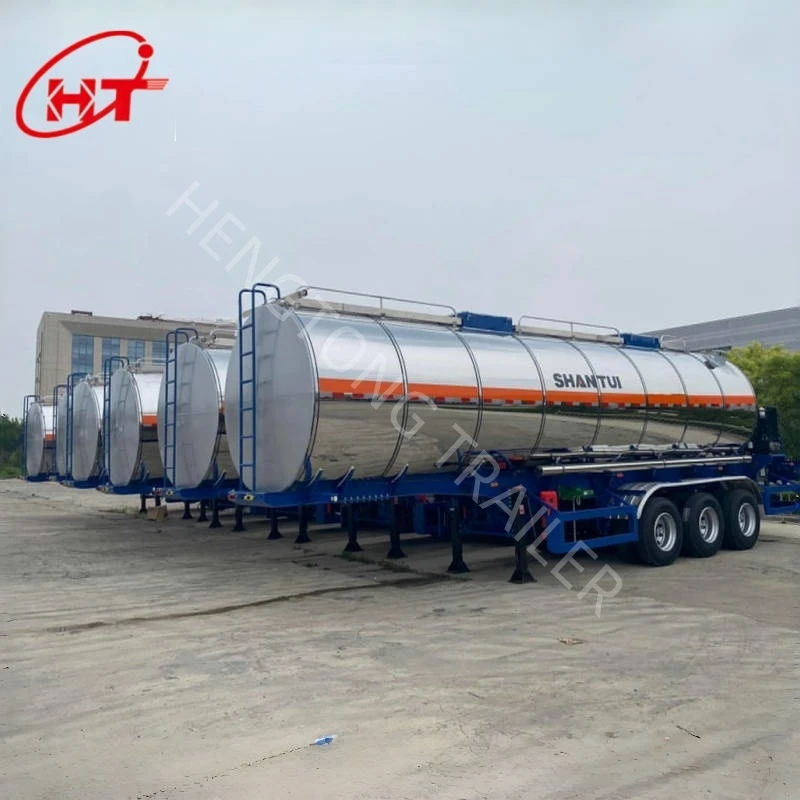
The foundation of secure crude oil transport lies in the selection and upkeep of reliable vehicles. At our company, we meticulously choose transport vehicles that are specifically designed to handle the unique challenges of hauling crude oil. For instance, our Fuel Transport Semi - trailer is engineered with state - of - the - art features to ensure maximum safety. These trailers are equipped with high - quality, corrosion - resistant tanks that can withstand the harsh chemical properties of crude oil.
Regular maintenance is non - negotiable. Our team of highly skilled mechanics conducts thorough inspections of all vehicles before and after each trip. They check for any signs of wear and tear, leaks, or mechanical issues. Tires are inspected for proper inflation and tread depth, as a simple tire blowout can lead to a serious accident and potential spill. Engine components are serviced regularly to ensure optimal performance, reducing the risk of breakdowns in transit.
Advanced Tracking and Monitoring Systems
In today's digital age, technology plays a crucial role in enhancing the security of crude oil transport. We utilize advanced tracking and monitoring systems installed on all our vehicles. These systems provide real - time information about the location, speed, and status of the vehicle. GPS tracking allows us to monitor the route of the haulers at all times, ensuring that they are following the pre - approved and safest routes.
In addition to GPS, we also use sensors to monitor the condition of the crude oil within the tanks. These sensors can detect changes in temperature, pressure, and liquid levels. Any abnormal readings are immediately sent to our control center, where our experts can analyze the situation and take appropriate action. For example, if a sudden increase in temperature is detected, it could indicate a potential problem such as a chemical reaction or a mechanical issue, and the vehicle can be stopped and inspected.
Well - Trained and Certified Drivers
Our drivers are the front - line defenders of the security of crude oil during transport. We only hire drivers who have extensive experience in hauling hazardous materials and possess the necessary certifications. They undergo rigorous training programs that cover a wide range of topics, including safe driving practices, emergency response procedures, and the handling of crude oil.
Our training programs are updated regularly to keep up with the latest industry standards and regulations. Drivers are trained to handle various emergency situations, such as spills, fires, or accidents. They know how to use emergency equipment, such as fire extinguishers and spill containment materials, effectively. In addition, they are educated about the environmental impact of crude oil spills and are committed to minimizing any potential damage.
Strict Compliance with Regulations
The transport of crude oil is subject to a multitude of regulations at the local, state, and federal levels. We are fully committed to complying with all these regulations to ensure the safety and security of the transport process. Our vehicles are designed and maintained in accordance with the strictest industry standards.
We obtain all the necessary permits and licenses before each trip. These permits specify the routes that can be taken, the maximum load capacity, and other important conditions. We also keep detailed records of all our operations, including vehicle inspections, driver training, and maintenance schedules. These records are regularly audited to ensure compliance.
Security Protocols at Loading and Unloading Sites
The security of crude oil starts at the loading site and ends at the unloading site. At the loading site, we have strict security protocols in place. The area is fenced and access is restricted to authorized personnel only. Before loading, the tanks are inspected to ensure that they are clean and free of any contaminants. The loading process is carefully monitored to prevent overfilling, which can lead to spills.
At the unloading site, similar security measures are in place. The connection between the vehicle and the storage facility is checked for proper alignment and sealing. The unloading process is also monitored to ensure that the crude oil is transferred safely and efficiently.
Emergency Response Plans
Despite all the precautions we take, emergencies can still happen. That's why we have comprehensive emergency response plans in place. These plans are designed to minimize the impact of any incident on the environment, public safety, and the economy.
Our emergency response teams are on standby 24/7. They are equipped with the necessary tools and equipment to handle various types of emergencies, such as spills, fires, or accidents. In the event of an incident, the driver is trained to immediately notify our control center, which will then activate the appropriate emergency response plan. The response team will be dispatched to the scene as quickly as possible to contain the situation and clean up any spills.
Collaboration with Local Authorities and Communities
We understand that the security of crude oil transport is not just our responsibility; it also involves the cooperation of local authorities and communities. We maintain open lines of communication with local law enforcement agencies, fire departments, and emergency management organizations. In case of an emergency, we work closely with these agencies to ensure a coordinated response.
We also engage with local communities to address their concerns and build trust. We provide information about our operations, safety measures, and emergency response plans. We participate in community meetings and events to educate the public about the importance of crude oil transport and the steps we take to ensure its security.
Conclusion
Ensuring the security of crude oil during transport is a complex and challenging task that requires a comprehensive approach. As a crude hauler supplier, we are committed to implementing the highest standards of safety and security in all aspects of our operations. From vehicle selection and maintenance to advanced technology, well - trained drivers, and strict compliance with regulations, we leave no stone unturned in protecting this valuable resource.
If you are in need of reliable and secure crude oil transport services, we invite you to contact us for a detailed discussion. Our team of experts is ready to work with you to develop a customized solution that meets your specific needs.
References
- American Petroleum Institute. (20XX). Recommended Practices for the Transportation of Crude Oil.
- Department of Transportation. (20XX). Hazardous Materials Regulations for the Transport of Crude Oil.
- International Maritime Organization. (20XX). Guidelines for the Safe Transport of Crude Oil by Sea.


