

Securing cargo on a flatbed semi-trailer is a critical task that requires careful planning, the right equipment, and strict adherence to safety regulations. As a semi-trailer supplier, I've seen firsthand the importance of proper cargo securement. In this blog, I'll share some essential tips and best practices to help you secure your cargo effectively and safely.
Understanding the Basics of Cargo Securement
Before you start loading your cargo, it's crucial to understand the basic principles of cargo securement. The goal is to prevent the cargo from shifting, falling, or rolling during transit. This not only protects the cargo itself but also ensures the safety of other road users.
The Federal Motor Carrier Safety Administration (FMCSA) in the United States has established regulations for cargo securement. These regulations specify the minimum number of tie-downs required based on the weight and size of the cargo. For example, a single article of cargo that weighs more than 1,100 pounds and has a length of more than 5 feet must be secured by at least two tie-downs.
Choosing the Right Equipment
The right equipment is essential for securing cargo on a flatbed semi-trailer. Here are some of the most commonly used items:
- Ratchet Straps: These are adjustable straps with a ratcheting mechanism that allows you to tighten them securely. They come in various lengths and widths and are suitable for a wide range of cargo.
- Chains and Binders: Chains are strong and durable, making them ideal for heavy or irregularly shaped cargo. Binders are used to tighten the chains and keep them in place.
- Cargo Nets: Cargo nets are useful for securing loose or small items. They can be stretched over the cargo and secured to the trailer using hooks or straps.
- Edge Protectors: Edge protectors are used to prevent the tie-downs from cutting into the cargo or the trailer. They are typically made of rubber or plastic and come in various shapes and sizes.
Preparing the Trailer
Before loading the cargo, it's important to prepare the trailer. Here are some steps you can take:
- Inspect the Trailer: Check the trailer for any damage or defects, such as loose or broken tie-down points, worn-out tires, or faulty brakes. Make sure the trailer is in good working condition before you start loading.
- Clean the Trailer: Remove any debris or dirt from the trailer bed to ensure a clean and smooth surface for the cargo.
- Position the Tie-Down Points: Identify the tie-down points on the trailer and make sure they are in the right position for the cargo. The tie-down points should be strong enough to support the weight of the cargo and should be evenly spaced to distribute the load evenly.
Loading the Cargo
Loading the cargo correctly is crucial for its securement. Here are some tips to help you load the cargo safely:
- Distribute the Weight Evenly: Make sure the weight of the cargo is evenly distributed across the trailer bed. This will help prevent the trailer from tipping over or becoming unstable during transit.
- Stack the Cargo Properly: If you are stacking multiple items of cargo, make sure they are stacked in a stable and secure manner. Use dunnage or blocking to prevent the cargo from shifting or falling.
- Secure the Cargo to the Trailer: Once the cargo is loaded, use the appropriate tie-downs to secure it to the trailer. Make sure the tie-downs are tight and secure and that they are attached to the tie-down points on the trailer.
Securing Different Types of Cargo
Different types of cargo require different securement methods. Here are some tips for securing common types of cargo:
- Lumber and Building Materials: Lumber and building materials are typically long and heavy, making them challenging to secure. Use ratchet straps or chains to secure the lumber to the trailer, and make sure the straps or chains are tight and secure. You may also need to use dunnage or blocking to prevent the lumber from shifting or falling.
- Heavy Equipment: Heavy equipment, such as tractors, bulldozers, and excavators, requires special securement methods. Use chains and binders to secure the equipment to the trailer, and make sure the chains are tight and secure. You may also need to use wheel chocks or other devices to prevent the equipment from rolling or shifting.
- Vehicles: Vehicles, such as cars, trucks, and motorcycles, require special securement methods. Use ratchet straps or chains to secure the vehicles to the trailer, and make sure the straps or chains are tight and secure. You may also need to use wheel chocks or other devices to prevent the vehicles from rolling or shifting.
Maintaining the Securement
Once the cargo is secured, it's important to maintain the securement during transit. Here are some tips to help you maintain the securement:
- Check the Tie-Downs Regularly: Check the tie-downs regularly to make sure they are still tight and secure. If you notice any loose or damaged tie-downs, tighten or replace them immediately.
- Monitor the Cargo: Keep an eye on the cargo during transit to make sure it is not shifting or falling. If you notice any movement or instability, stop the vehicle and re-secure the cargo.
- Adjust the Securement as Needed: If the cargo shifts or moves during transit, adjust the securement as needed to keep it in place. You may need to tighten the tie-downs or add additional tie-downs to ensure the cargo is secure.
Conclusion
Securing cargo on a flatbed semi-trailer is a critical task that requires careful planning, the right equipment, and strict adherence to safety regulations. By following the tips and best practices outlined in this blog, you can ensure that your cargo is secured effectively and safely.
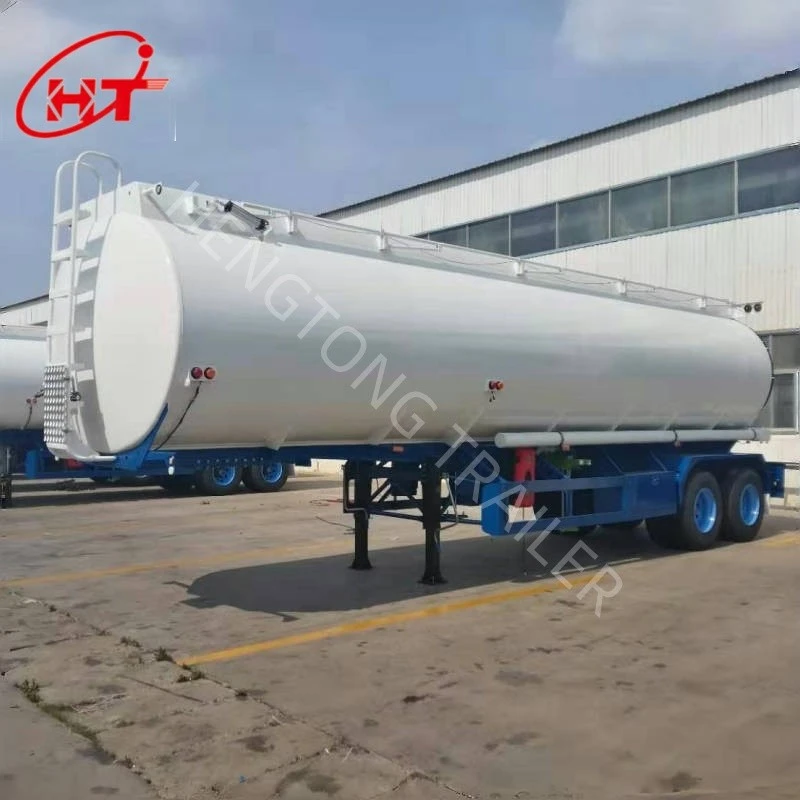
If you're in the market for a semi-trailer, I invite you to explore our range of products, including the 40000L Water Trailer, 53ft Flatbed Semi Trailer, and 4 Axles Water Tank Trailer. Our trailers are built to the highest standards of quality and safety, and we offer a wide range of customization options to meet your specific needs.
If you have any questions or would like to discuss your requirements further, please don't hesitate to contact us. We're here to help you find the perfect semi-trailer for your business.

References
- Federal Motor Carrier Safety Administration. (n.d.). Cargo Securement Rules. Retrieved from FMCSA Website
- American Trucking Associations. (n.d.). Cargo Securement Guide. Retrieved from ATA Website


