

Hey there! I'm a supplier of semi - trailers, and today I wanna chat about how a semi - trailer affects the fuel consumption of a truck. As someone who's been in the semi - trailer game for a while, I've seen firsthand how different types of trailers can make a huge difference in how much fuel a truck burns.
First off, let's talk about the basics. The weight of a semi - trailer is one of the most significant factors affecting fuel consumption. The heavier the trailer, the more power the truck needs to move it. When you're hauling a fully - loaded semi - trailer, your engine has to work a lot harder compared to when it's pulling an empty one. For example, a Fence Cargo Semi Trailer that's filled with heavy construction materials will require more fuel to transport than an empty one. This is because the engine has to overcome the increased inertia and friction caused by the extra weight.
Another aspect related to weight is the distribution of the load within the trailer. An unevenly distributed load can cause the truck to handle poorly and increase fuel consumption. If most of the weight is at the front or back of the trailer, it can affect the truck's balance, leading to more drag and less efficient movement. You gotta make sure the load is evenly spread out to keep things running smoothly and save on fuel.
Now, let's move on to the aerodynamics of the semi - trailer. The shape of the trailer plays a big role in how much air resistance it encounters while on the road. A trailer with a sleek, streamlined design will cut through the air more easily than one with a boxy, angular shape. For instance, a modern, well - designed semi - trailer can reduce air drag by a significant amount, which in turn lowers fuel consumption. On the other hand, an older, less aerodynamic trailer will create more turbulence and require the truck's engine to work harder to maintain speed.
The size of the semi - trailer also matters. Larger trailers generally have more surface area, which means they face more air resistance. A big 4 Axles Water Tank Trailer, for example, will have a larger frontal area compared to a smaller trailer. This increased area creates more drag, and the truck has to use more fuel to push through the air. However, it's not always about size; the design can mitigate some of these effects. Some larger trailers are designed with features like rounded edges and fairings to reduce drag.
The type of tires on the semi - trailer can also impact fuel consumption. Tires with low rolling resistance are more fuel - efficient. These tires require less energy to roll, which means the truck doesn't have to use as much fuel to move the trailer. You should look for tires that are specifically designed for commercial trailers and have a good balance between durability and low rolling resistance.
The maintenance of the semi - trailer is crucial as well. A poorly maintained trailer can lead to increased fuel consumption. For example, if the brakes on the trailer are dragging, it creates extra resistance, and the truck has to use more fuel to overcome it. Regularly checking and maintaining the brakes, bearings, and other components of the trailer can ensure that it operates efficiently and doesn't waste fuel.
The number of axles on the semi - trailer can also have an effect. More axles generally mean more weight and more friction. A trailer with multiple axles, like the 4 Axles Water Tank Trailer, has more contact points with the road, which can increase rolling resistance. However, more axles can also distribute the weight better, which might be necessary for carrying heavy loads. It's a trade - off, and you need to consider your specific hauling needs.
The driving style also interacts with the semi - trailer to affect fuel consumption. Aggressive driving, such as rapid acceleration and hard braking, can significantly increase fuel usage. When you're pulling a semi - trailer, smooth driving is key. Gradually accelerating and decelerating helps the truck and trailer move more efficiently. Also, maintaining a consistent speed on the highway can save a lot of fuel.

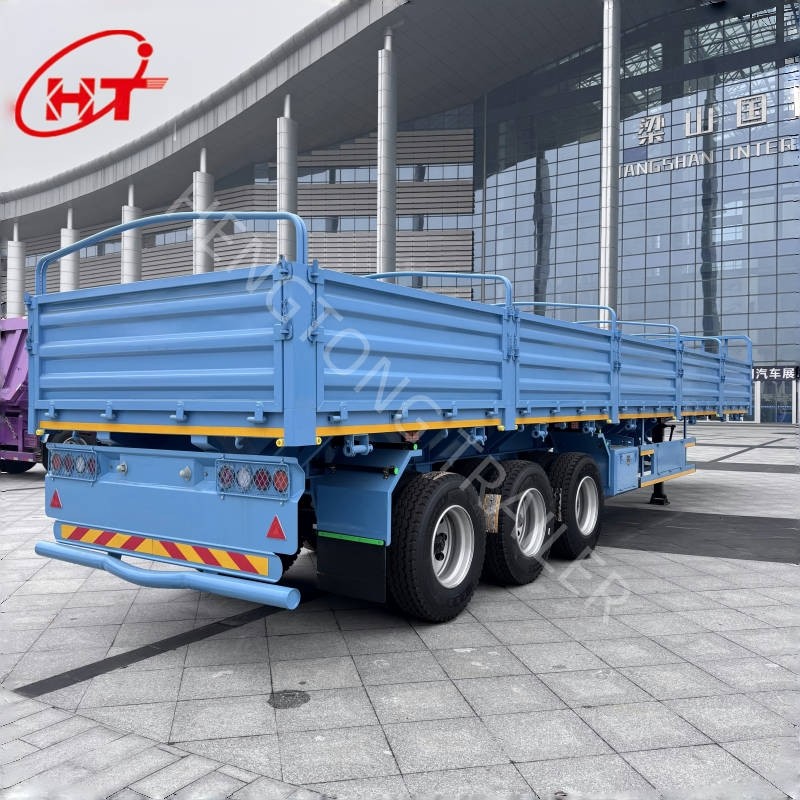
As a semi - trailer supplier, I understand the importance of all these factors. That's why we offer a wide range of trailers, like the Fence Cargo Semi Trailer, that are designed with fuel efficiency in mind. Our trailers are built with lightweight materials where possible to reduce weight, and they have aerodynamic features to cut down on air drag. We also provide advice on proper load distribution and maintenance to help our customers get the most out of their trailers and save on fuel costs.
If you're in the market for a semi - trailer and want to reduce your fuel consumption, we're here to help. We can work with you to find the right trailer for your specific needs, whether it's for hauling construction materials, liquids, or other goods. Contact us to start a conversation about your requirements, and let's find the perfect semi - trailer that will keep your fuel costs down and your business running smoothly.
References
- SAE International. "Fuel Efficiency and Heavy - Duty Trucks: Technologies and Trends."
- American Trucking Associations. "Best Practices for Fuel Efficiency in Trucking."


