

Suspension bushings play a crucial role in the performance and safety of trailer suspensions. As a leading Trailer Suspension supplier, we understand the importance of these components and the questions that often arise regarding their replacement intervals. In this blog post, we'll delve into the factors that influence how often suspension bushings in trailer suspensions should be replaced and provide you with some practical insights.
Understanding the Function of Suspension Bushings
Before we discuss replacement intervals, it's essential to understand what suspension bushings do. Suspension bushings are small, flexible components made of rubber, polyurethane, or other elastomeric materials. They are typically installed between the moving parts of a trailer suspension system, such as the axles, control arms, and frame.
The primary function of suspension bushings is to provide a cushioning effect between these moving parts. They absorb vibrations, shocks, and noise generated by the trailer's movement on the road. By doing so, they help to improve the ride quality, reduce wear and tear on other suspension components, and enhance the overall stability and handling of the trailer.
Factors Affecting the Replacement Interval
The frequency at which suspension bushings need to be replaced can vary significantly depending on several factors. Here are some of the key factors to consider:
1. Usage and Operating Conditions
The way a trailer is used and the conditions under which it operates have a significant impact on the lifespan of suspension bushings. Trailers that are used frequently, especially in harsh environments, are likely to experience more wear and tear on their bushings. For example, trailers that are regularly driven on rough or unpaved roads, or those that are used for heavy-duty applications such as hauling large loads, will put more stress on the suspension bushings. In such cases, the bushings may need to be replaced more often, perhaps every 20,000 - 30,000 miles or even less.
On the other hand, trailers that are used less frequently and primarily on smooth highways may not require bushing replacement as often. They could potentially go 50,000 - 70,000 miles before the bushings need to be replaced.
2. Quality of the Bushings
The quality of the suspension bushings themselves is another important factor. Higher-quality bushings are typically made from more durable materials and are designed to withstand greater stress and wear. They are less likely to crack, tear, or deteriorate over time compared to lower-quality bushings. As a Trailer Suspension supplier, we offer a range of high-quality suspension bushings that are engineered to provide long-lasting performance. When you invest in high-quality bushings, you can expect a longer replacement interval, which can save you time and money in the long run.
3. Maintenance and Inspection
Regular maintenance and inspection of the trailer suspension system can also extend the lifespan of the bushings. By checking the bushings for signs of wear, damage, or deterioration on a regular basis, you can catch any issues early and take appropriate action. This may include cleaning the bushings, lubricating them if necessary, and replacing them at the first sign of significant wear. A well-maintained trailer suspension system is more likely to have bushings that last longer.
Signs that Suspension Bushings Need to be Replaced
In addition to considering the factors mentioned above, it's important to be aware of the signs that indicate suspension bushings need to be replaced. Here are some common symptoms to watch out for:
1. Excessive Vibration and Noise
If you notice an increase in vibration or noise coming from the trailer suspension, it could be a sign that the bushings are worn out. As the bushings deteriorate, they lose their ability to absorb vibrations and shocks effectively, which can result in a rougher ride and more noise.
2. Poor Handling and Stability
Worn suspension bushings can also affect the handling and stability of the trailer. You may notice that the trailer feels less responsive when turning, or that it tends to sway more than usual. This is because the bushings are no longer providing the necessary support and cushioning between the moving parts of the suspension system.
3. Uneven Tire Wear
Another sign of worn suspension bushings is uneven tire wear. When the bushings are not functioning properly, they can cause the wheels to be misaligned, which can lead to uneven wear on the tires. If you notice that your tires are wearing out more quickly on one side or in certain areas, it's a good idea to have the suspension bushings checked.
Recommended Replacement Intervals
Based on our experience as a Trailer Suspension supplier, we generally recommend the following replacement intervals for suspension bushings:

- Light - Duty Trailers: For trailers that are used for light - duty applications, such as small utility trailers or camping trailers, and are driven primarily on smooth roads, the suspension bushings may need to be replaced every 50,000 - 70,000 miles.
- Medium - Duty Trailers: Medium - duty trailers, such as those used for hauling moderate loads or for commercial purposes, may require bushing replacement every 30,000 - 50,000 miles, especially if they are driven on a mix of rough and smooth roads.
- Heavy - Duty Trailers: Heavy - duty trailers that are used for hauling large or heavy loads, and are often driven on rough or unpaved roads, should have their suspension bushings replaced every 20,000 - 30,000 miles.
However, these are just general guidelines, and the actual replacement interval may vary depending on the specific factors mentioned earlier. It's always a good idea to consult the trailer manufacturer's recommendations and to have the suspension system inspected regularly by a qualified mechanic.
Importance of Using Quality Suspension Bushings
As a Trailer Suspension supplier, we cannot stress enough the importance of using high - quality suspension bushings. Quality bushings not only last longer but also provide better performance and safety. They are designed to meet or exceed industry standards and are tested to ensure their durability and reliability.
When you choose our suspension bushings, you can be confident that you are getting a product that is built to last. Our bushings are made from high - quality materials and are manufactured using advanced techniques to ensure a perfect fit and optimal performance. By investing in quality suspension bushings, you can reduce the frequency of replacements, improve the performance of your trailer suspension system, and enhance the safety of your trailer.
Other Trailer Components to Consider
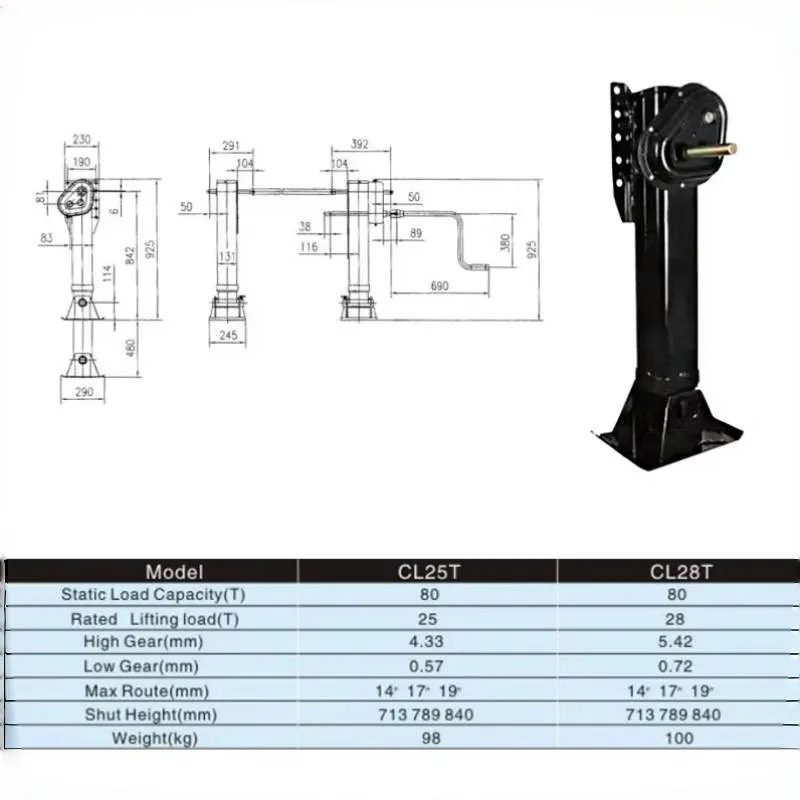
In addition to suspension bushings, there are other important components in a trailer suspension system that you may need to consider. For example, Trailer Landing Gear is an essential part of any trailer, providing support when the trailer is parked or being loaded and unloaded. Trailer Airbag Suspension is another option that offers a smoother ride and better load - leveling capabilities. And of course, the overall Trailer Suspension system plays a crucial role in the performance and safety of the trailer.
Contact Us for Your Trailer Suspension Needs
If you have any questions about suspension bushings or other trailer suspension components, or if you are interested in purchasing high - quality trailer suspension products, we encourage you to contact us. As a leading Trailer Suspension supplier, we have the expertise and the products to meet your needs. Whether you are looking for replacement bushings, a new trailer suspension system, or other trailer parts, we can provide you with the solutions you need.
References
- "Trailer Suspension Systems: Design and Maintenance" - Industry Handbook
- "Guide to Trailer Components and Their Lifespan" - Automotive Research Publication


