

When it comes to purchasing a used low bed semi - trailer, checking its condition is of utmost importance. As a supplier of low bed semi - trailers, I understand the significance of this process, as it can save buyers from potential headaches and costly repairs down the line. In this blog, I'll share some key steps on how to check the condition of a used low bed semi - trailer.
Exterior Inspection
The first step is to conduct a thorough exterior inspection. Start by walking around the trailer and looking for any visible signs of damage. Check the frame for cracks, bends, or rust. Cracks can significantly weaken the structural integrity of the trailer, and bends may indicate that the trailer has been in a collision or overloaded. Rust is also a major concern, as it can eat away at the metal over time.

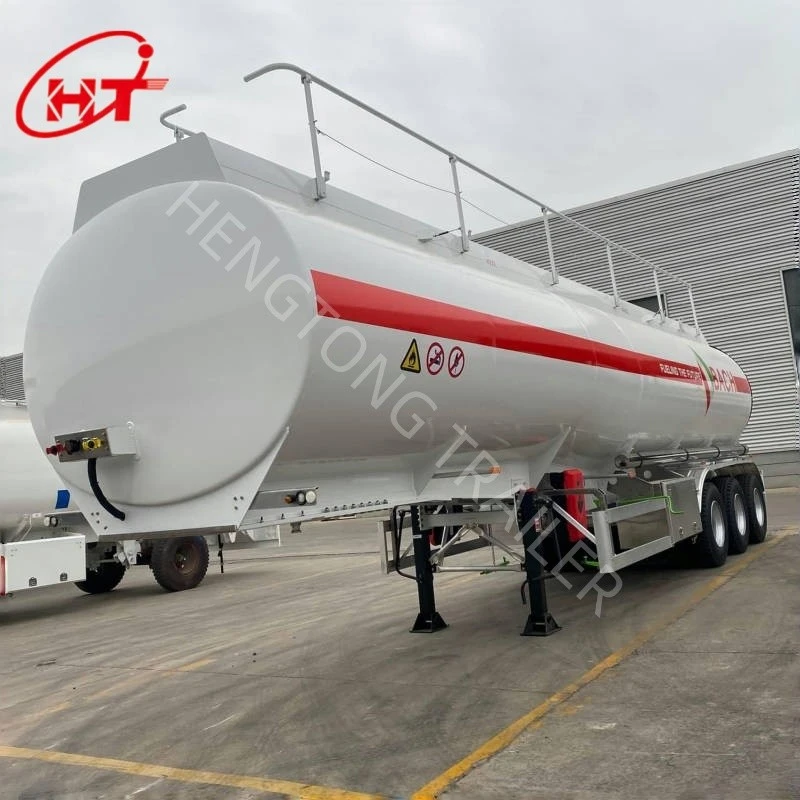
Inspect the body panels and side rails. Look for dents, scratches, or signs of previous repairs. These can give you an idea of how well the trailer has been maintained. If the body panels are severely damaged, it could affect the trailer's aerodynamics and potentially lead to further issues in the future.
Examine the landing gear. The landing gear is responsible for supporting the front of the trailer when it's detached from the tractor. Make sure it operates smoothly and that the legs are in good condition. Check for any signs of wear or damage, such as bent legs or loose bolts. A faulty landing gear can make it difficult to load and unload the trailer safely.
Tire and Wheel Inspection
Tires are one of the most critical components of a semi - trailer. Check the tire tread depth. Most states have minimum tread depth requirements, and tires with low tread are more prone to blowouts and hydroplaning. You can use a tread depth gauge to measure the tread accurately.
Inspect the tires for signs of uneven wear. Uneven wear can indicate alignment problems, improper inflation, or issues with the suspension system. Look for cuts, bulges, or other damage on the tire sidewalls. These can be signs of internal damage and should not be ignored.
Check the wheels for cracks, bends, or loose lug nuts. Loose lug nuts can cause the wheels to come off while the trailer is in motion, which is extremely dangerous. Make sure the wheels are properly balanced, as unbalanced wheels can lead to premature tire wear and a rough ride.
Brake System Inspection
The brake system is essential for the safety of the trailer. Check the brake lines for leaks, cracks, or damage. Leaking brake fluid can reduce the effectiveness of the brakes and pose a serious safety risk. Inspect the brake pads or shoes for wear. Worn brake pads or shoes need to be replaced promptly to ensure proper braking performance.
Test the brake system. If possible, have someone operate the brakes while you observe the movement of the brake components. Make sure the brakes engage and disengage smoothly and evenly. Listen for any unusual noises, such as grinding or squealing, which can indicate problems with the brakes.
Suspension System Inspection
The suspension system helps to absorb shocks and keep the trailer stable. Inspect the suspension components, such as the springs, airbags, and shock absorbers. Look for signs of wear, damage, or corrosion. Broken springs or worn - out shock absorbers can cause the trailer to bounce excessively and make it difficult to control.
Check the alignment of the axles. Misaligned axles can cause uneven tire wear, reduce fuel efficiency, and put additional stress on the suspension system. You may need to use specialized equipment to accurately measure the axle alignment.
Electrical System Inspection
The electrical system is responsible for powering the lights, signals, and other electrical components of the trailer. Check the wiring for any signs of damage, such as frayed wires or loose connections. Damaged wiring can cause electrical problems, including malfunctioning lights or signals, which are essential for safe operation on the road.
Test all the lights and signals, including the brake lights, turn signals, and running lights. Make sure they are all working properly. Faulty lights can make the trailer less visible to other drivers and increase the risk of accidents.
Interior and Cargo Area Inspection
If the trailer has an enclosed cargo area, inspect the interior for signs of damage or water leakage. Check the walls, floor, and ceiling for cracks, holes, or signs of moisture. Water leakage can damage the cargo and lead to rust and corrosion inside the trailer.
Inspect the tie - down points and other cargo - securing equipment. Make sure they are in good condition and can safely secure the cargo. Faulty tie - down points can cause the cargo to shift during transit, which is dangerous.
Additional Considerations
In addition to the above inspections, it's also a good idea to ask for the trailer's maintenance records. Maintenance records can give you an idea of how well the trailer has been maintained and whether any major repairs have been done. If possible, have a professional mechanic inspect the trailer before making a purchase. A mechanic can identify potential problems that you may not be able to detect on your own.
When looking for related products, you might be interested in our 4 Axles Water Tank Trailer, 45000L Fuel Tanker Truck, and Oil Tank Semi Trailer. These products are built with high - quality materials and advanced technology to meet your transportation needs.
In conclusion, checking the condition of a used low bed semi - trailer is a comprehensive process that requires attention to detail. By following these steps, you can make an informed decision and ensure that you're getting a trailer that is safe and reliable. If you're in the market for a used low bed semi - trailer or any of our other products, don't hesitate to contact us for more information and to discuss your purchasing options. We're here to help you find the best trailer for your needs.
References
- "Commercial Vehicle Inspection Manual" - A comprehensive guide on inspecting commercial vehicles, including semi - trailers.
- "Tire and Rim Association Standards" - Provides standards and guidelines for tire and wheel inspection and maintenance.


