

Hey there! As a used digger supplier, I know how crucial it is to check the hydraulic system of a used digger before making a purchase. The hydraulic system is like the heart of a digger, powering its most essential functions. A faulty hydraulic system can lead to all sorts of problems, from reduced performance to costly repairs. So, let's dive into how you can check the hydraulic system of a used digger.
Visual Inspection
The first step is a good old - fashioned visual inspection. Start by looking at the hydraulic hoses. Check for any signs of wear, such as cracks, bulges, or leaks. Leaking hydraulic fluid is a big red flag. You might see wet spots around the hoses or on the ground beneath the digger. If you notice any of these issues, it could mean the hoses need to be replaced soon, which can be an expensive fix.
Next, examine the hydraulic cylinders. Look for signs of damage, like dents or scratches on the cylinder rods. These can cause the seals inside the cylinders to fail, leading to fluid leaks and reduced cylinder performance. Also, check the seals themselves. If they're worn or damaged, you'll likely see hydraulic fluid seeping out around the edges of the cylinders.
Don't forget to inspect the hydraulic reservoir. It's usually a large tank where the hydraulic fluid is stored. Make sure the reservoir is clean and free of debris. Check the fluid level. It should be within the recommended range marked on the reservoir. If the fluid level is low, it could indicate a leak somewhere in the system. And take a look at the fluid itself. It should be clear and free of contaminants. If it looks cloudy, milky, or has particles in it, the fluid might be contaminated and need to be changed.
Fluid Analysis
Fluid analysis is an important part of checking the hydraulic system. You can take a sample of the hydraulic fluid and send it to a lab for testing. The lab can tell you a lot about the condition of the fluid and the system. For example, they can check for the presence of metals, which could indicate wear in the hydraulic pumps, valves, or cylinders. They can also measure the viscosity of the fluid. If the viscosity is too high or too low, it can affect the performance of the hydraulic system.

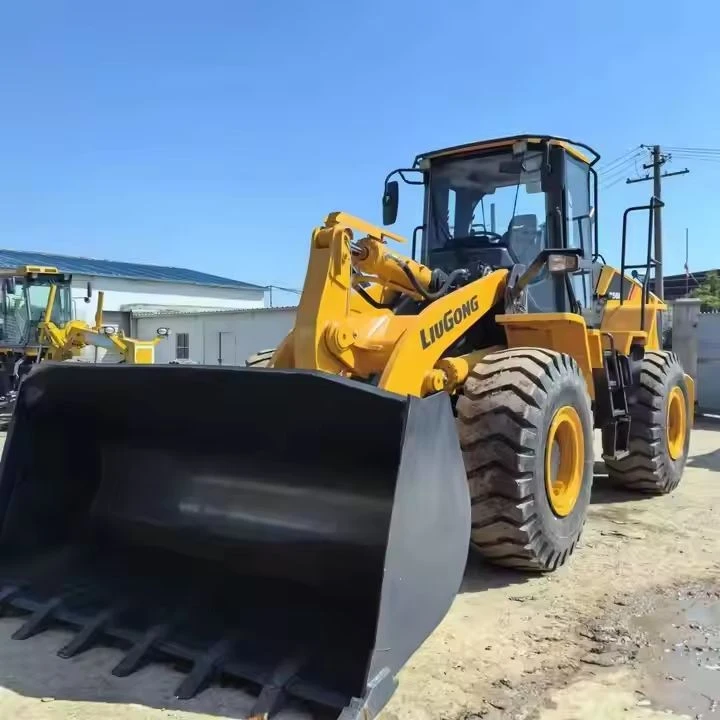
Another thing to look for in the fluid analysis is the water content. Water in the hydraulic fluid can cause corrosion and damage to the system components. A high water content could be a sign of a leak in the system or condensation in the reservoir.
Function Testing
Once you've done the visual inspection and fluid analysis, it's time to test the function of the hydraulic system. Start the digger and let it warm up for a few minutes. This allows the hydraulic fluid to reach the right temperature and viscosity for proper operation.
Operate the various hydraulic functions of the digger, such as the boom, arm, and bucket. Pay attention to how smoothly they move. If there's any jerking, hesitation, or slow movement, it could indicate a problem with the hydraulic system. For example, a slow - moving boom might be due to a weak hydraulic pump or a clogged valve.
Check the pressure of the hydraulic system. Most diggers have pressure gauges that can give you an idea of the system pressure. Compare the readings to the manufacturer's specifications. If the pressure is too low, it could mean there's a problem with the pump, a leak in the system, or a clogged filter. If the pressure is too high, it could damage the system components.
Checking the Hydraulic Pumps and Valves
The hydraulic pumps are responsible for generating the pressure in the hydraulic system. Listen for any unusual noises coming from the pumps when they're running. A whining or grinding noise could indicate a problem with the pump, such as worn bearings or damaged gears.
Inspect the valves in the hydraulic system. The valves control the flow and direction of the hydraulic fluid. Check for any signs of leaks around the valves. Also, make sure the valves are operating correctly. You can do this by testing the different functions of the digger and observing how the valves respond. If a valve is stuck or not opening and closing properly, it can cause problems with the operation of the hydraulic system.
Other Considerations
When checking the hydraulic system of a used digger, it's also a good idea to look at the maintenance history. Ask the previous owner if they have records of the hydraulic system maintenance, such as fluid changes, filter replacements, and repairs. A well - maintained hydraulic system is more likely to be in good condition.
And if you're not confident in your ability to check the hydraulic system yourself, consider hiring a professional mechanic who specializes in construction equipment. They have the experience and tools to do a thorough inspection and can give you a more accurate assessment of the system's condition.
As a used digger supplier, I offer a wide range of high - quality used diggers. We also have other great construction machinery options like Used Shovel Loader, Used Sany Excavator, and Used HELI Forklift. If you're interested in purchasing a used digger or any of our other equipment, don't hesitate to reach out for a detailed discussion. We're here to help you make the right choice and ensure you get a machine that meets your needs.
References
- Construction Equipment Maintenance Manuals
- Hydraulic System Design and Troubleshooting Guides
- Industry - specific Technical Bulletins


