

As a seasoned supplier of used diggers, I understand the critical importance of ensuring the transmission of these heavy - duty machines is in top - notch condition. A well - functioning transmission is the heart of a digger, dictating its performance, efficiency, and overall reliability. In this blog, I'll share comprehensive insights on how to check the transmission of a used digger, which will be invaluable for both potential buyers and those looking to maintain their existing equipment.
1. Visual Inspection
The first step in assessing a used digger's transmission is a thorough visual inspection. Begin by examining the exterior of the transmission housing. Look for any signs of oil leaks. Small drops or a steady stream of hydraulic fluid around the transmission can indicate a problem with the seals or gaskets. A significant leak might suggest a more severe internal issue.
Check the level of the transmission fluid. Most diggers have a dipstick or a sight glass specifically for the transmission fluid. The fluid should be at the appropriate level as indicated in the machine's manual. The color of the fluid can also reveal a lot. Fresh transmission fluid is typically bright red or pink. If the fluid is dark brown or black, it may be contaminated or overdue for a change. A milky appearance could mean that water has entered the system, which is a serious concern.
Inspect the transmission cooler lines. These lines carry the hot transmission fluid to the cooler and back. Look for any kinks, cracks, or signs of wear. Damaged lines can restrict the flow of fluid, leading to overheating and premature transmission failure.
2. Listen for Unusual Noises
Start the digger and let it idle. Listen carefully to the sounds coming from the transmission area. A healthy transmission should operate quietly. Any grinding, whining, or clunking noises can be a sign of trouble. Grinding noises may indicate worn gears, while a whining sound could be due to low fluid levels or a failing pump. Clunking sounds might suggest loose components or problems with the transmission mounts.

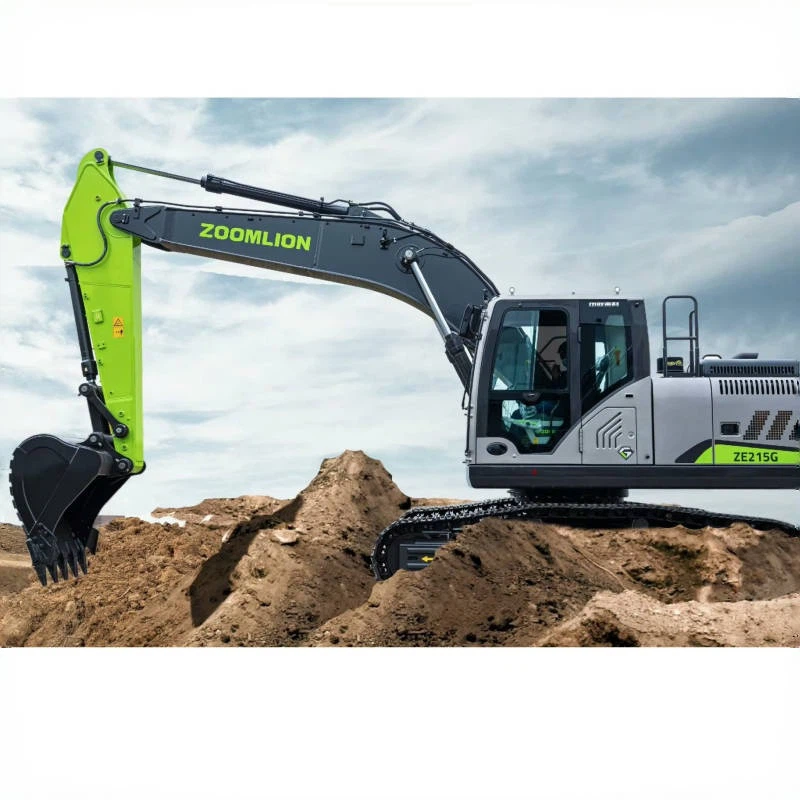
Take the digger for a short test drive. Shift through all the available gears, both forward and reverse. Pay attention to any jerks or hard shifts. A smooth and seamless gear shift is a positive sign. Rough or delayed shifts can be caused by a variety of issues, including a malfunctioning solenoid, a clogged filter, or worn clutches.
3. Check the Gear Engagement
When testing the gear engagement, make sure the digger is on a level surface. Start with the engine running and the parking brake engaged. Slowly shift through the gears, starting from neutral to the lowest forward gear and then through all the available forward and reverse gears.
Each gear should engage smoothly without hesitation. If you experience difficulty in shifting into a particular gear or if the gear seems to slip out of place while driving, it's a clear indication of a transmission problem. Gear slippage can be extremely dangerous, as it can lead to a loss of control over the digger.
4. Evaluate the Torque Converter
The torque converter is a crucial component of the digger's transmission system. It transfers power from the engine to the transmission and allows the digger to come to a stop without stalling the engine.
To check the torque converter, perform a stall test. This test should be done with extreme caution, following all safety procedures. Bring the digger to a complete stop on a flat surface, engage the parking brake, and then press the accelerator pedal firmly while holding the brake. Note the engine speed at which the wheels start to move. If the engine speed is significantly higher or lower than the manufacturer's specifications, it could indicate a problem with the torque converter.
Another way to assess the torque converter is by observing the digger's performance during normal operation. If the digger has a lack of power when accelerating or if it seems to be struggling to move heavy loads, the torque converter may be malfunctioning.
5. Examine the Electronic Controls
Modern diggers are equipped with sophisticated electronic control systems that manage the transmission. Check the dashboard for any warning lights related to the transmission. If a warning light is illuminated, it could indicate a sensor failure, a problem with the control module, or an internal transmission issue.
Using a diagnostic scanner, you can retrieve trouble codes from the digger's electronic control unit (ECU). These codes can provide valuable information about the specific problem within the transmission system. It's recommended to have a trained technician or someone with experience in using diagnostic tools perform this check.
6. Review Maintenance Records
One of the best ways to gauge the condition of a used digger's transmission is to review its maintenance records. A well - maintained digger is more likely to have a healthy transmission. Look for records of regular fluid changes, filter replacements, and any previous transmission repairs.
If the maintenance records show that the transmission fluid has not been changed in a long time, it could lead to a buildup of contaminants and increased wear on the internal components. On the other hand, a history of frequent repairs might indicate an underlying problem that has not been fully resolved.
7. Consider Professional Inspection
While the above steps can give you a good idea of the transmission's condition, it's always advisable to have a professional mechanic or a transmission specialist inspect the used digger. These experts have the knowledge, experience, and specialized tools to conduct a more in - depth analysis.
They can perform tests such as a pressure test to measure the hydraulic pressure within the transmission, which can help detect internal leaks or problems with the pump. They can also disassemble the transmission if necessary to examine the internal components for wear and damage.
As a supplier of used diggers, I'm committed to providing high - quality machinery that meets the needs of your construction projects. In addition to used diggers, we also offer a wide range of other construction equipment, including Used Bulldozers, Second Hand Construction Machinery, and Used Shovel Loader.
If you're in the market for a used digger or any other construction equipment, I encourage you to reach out for a detailed discussion. Whether you have questions about the transmission check process or want to explore our inventory, we're here to assist you. Our team is happy to provide you with all the necessary information to make an informed purchasing decision.
References
- Construction Equipment Handbook: A comprehensive guide to the maintenance and inspection of construction machinery, including diggers and their transmissions.
- Manufacturer's Manuals: Manuals provided by digger manufacturers contain detailed information about the transmission system, maintenance schedules, and trouble - shooting guides.
- Industry Journals: Publications focused on the construction equipment industry often feature articles on the latest trends in transmission technology and best practices for inspection and maintenance.


