

When it comes to running a successful transportation or logistics business, choosing the right semi - trailer is a decision that can significantly impact your operations, efficiency, and bottom line. As a semi - trailer supplier, I've witnessed firsthand how the wrong choice can lead to increased costs, downtime, and customer dissatisfaction. In this blog, I'll share some key factors to consider when selecting the ideal semi - trailer for your business.
Understanding Your Business Needs
The first step in choosing the right semi - trailer is to have a clear understanding of your business requirements. Consider the type of cargo you'll be transporting. Is it general freight, heavy machinery, liquids, or perishable goods? Each type of cargo has specific requirements in terms of trailer design, capacity, and features.
For instance, if you're in the business of transporting liquids, a 4 Axles Water Tank Trailer might be the perfect fit. These trailers are specifically designed to safely carry large volumes of liquids, with features such as reinforced tanks, proper ventilation, and secure fastening systems to prevent spills during transit.
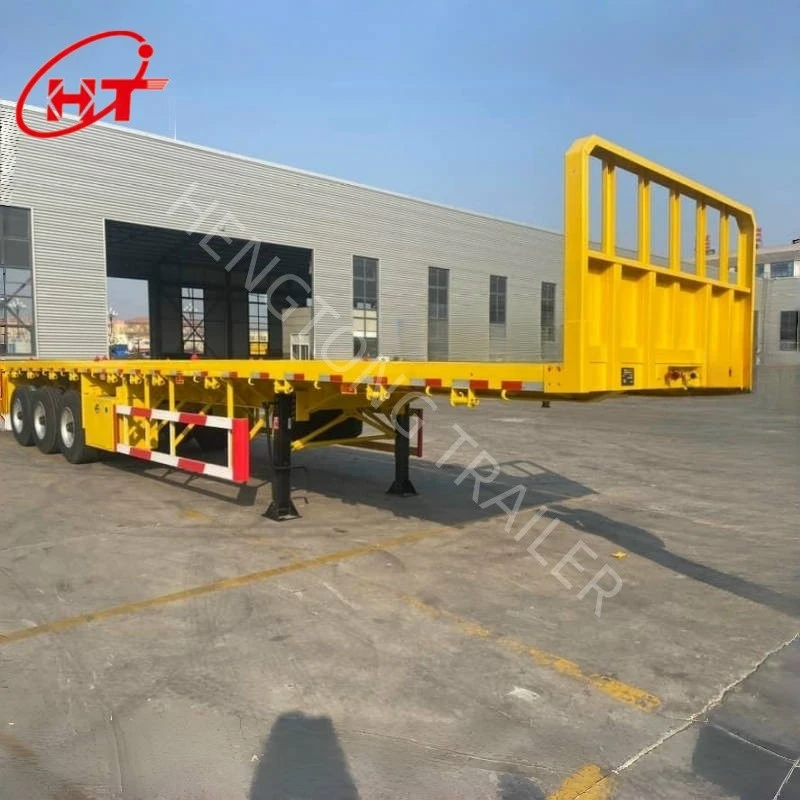
On the other hand, if you deal with large, flat items like construction materials or vehicles, a 45ft Flat Bed Trailer could be more suitable. Flatbed trailers offer an open - deck design that allows for easy loading and unloading of oversized or irregularly shaped cargo. They also come in various lengths and weight capacities to accommodate different loads.
If your business involves transporting heavy equipment such as bulldozers, cranes, or large industrial machinery, a 100T Low Bed Trailer is likely the best option. Low bed trailers have a lower deck height, which provides a lower center of gravity and allows for the transportation of tall and heavy loads safely.
Capacity and Payload
Another crucial factor to consider is the capacity and payload of the semi - trailer. You need to determine the maximum weight and volume of the cargo you'll typically transport. It's important to choose a trailer with a payload capacity that can handle your average load without being over - or under - utilized.
Overloading a trailer can lead to safety hazards, increased wear and tear on the vehicle, and potential legal issues. On the other hand, an under - utilized trailer means you're not making the most of your investment and may be incurring unnecessary costs for fuel, maintenance, and insurance.
When calculating the payload capacity, you also need to account for the weight of the trailer itself. Different trailer models have different tare weights (the weight of the empty trailer), which can vary based on the materials used in construction, the number of axles, and additional features.
Trailer Design and Features
The design and features of a semi - trailer can greatly affect its functionality and efficiency. Consider the following aspects:
Axle Configuration
The number and arrangement of axles on a trailer impact its weight distribution, maneuverability, and load - carrying capacity. Trailers with more axles can typically carry heavier loads, but they may also be more difficult to maneuver in tight spaces. Common axle configurations include single - axle, tandem - axle, and tri - axle trailers.
Suspension System
A good suspension system is essential for a smooth ride and to protect your cargo. There are different types of suspension systems available, such as leaf spring suspension, air suspension, and rubber suspension. Air suspension, for example, offers a more comfortable ride, better load leveling, and can be adjusted to different load weights.
Braking System
The braking system is a critical safety feature. Make sure the trailer is equipped with a reliable braking system that can handle the weight of the load. Anti - lock braking systems (ABS) are highly recommended as they help prevent wheel lock - up during braking, especially in wet or slippery conditions.
Loading and Unloading Mechanisms
Depending on the type of cargo, you may need trailers with specific loading and unloading mechanisms. For example, some trailers come with ramps for easy loading of vehicles or equipment, while others may have hydraulic lifts for lifting heavy items.
Maintenance and Durability
The long - term cost of owning a semi - trailer includes maintenance and repair expenses. Choose a trailer made from high - quality materials that are durable and resistant to corrosion. Steel and aluminum are common materials used in trailer construction. Steel trailers are generally stronger and more affordable, while aluminum trailers are lighter and more resistant to rust.
Regular maintenance is essential to keep your trailer in good working condition. Look for trailers that are easy to maintain, with accessible components and a well - designed layout. It's also a good idea to choose a supplier that offers after - sales service and support, including spare parts availability.
Cost and Budget
Cost is always a significant consideration when making any business investment. However, it's important not to base your decision solely on the initial purchase price. Consider the total cost of ownership, which includes factors such as fuel efficiency, maintenance costs, insurance premiums, and resale value.
A more expensive trailer may have better features, higher durability, and lower operating costs in the long run. On the other hand, a cheaper trailer may end up costing you more in terms of frequent repairs and replacements.
Regulatory Compliance
Ensure that the semi - trailer you choose complies with all relevant local, state, and federal regulations. This includes safety standards, weight limits, and emissions requirements. Non - compliant trailers can result in fines, legal issues, and potential disruptions to your business operations.
Brand Reputation and Customer Reviews
Before making a purchase, research the reputation of the trailer manufacturer and supplier. Look for brands with a proven track record of producing high - quality, reliable trailers. Read customer reviews and testimonials to get an idea of the experiences of other businesses that have purchased from the same supplier.
Conclusion
Choosing the right semi - trailer for your business is a complex decision that requires careful consideration of multiple factors. By understanding your business needs, capacity requirements, trailer design and features, maintenance and durability, cost, regulatory compliance, and brand reputation, you can make an informed choice that will benefit your business in the long run.
If you're in the process of selecting a semi - trailer for your business and need more information or assistance, I'd be more than happy to help. As a semi - trailer supplier, I have the expertise and knowledge to guide you through the selection process and ensure you find the perfect trailer for your specific requirements. Contact me to start the conversation about your trailer needs and let's work together to make the right choice for your business.

References
- Trucking Industry Magazine - Various articles on semi - trailer selection and industry trends.
- Department of Transportation Regulations - Guidelines on trailer safety and compliance.
- Trailer Manufacturer Catalogs - Information on trailer features, specifications, and capacities.


