

Hey there! I'm a supplier of cement trailers, and I've seen it all when it comes to handling these beasts in extreme temperatures. Whether it's scorching heat or freezing cold, extreme temps can throw a real wrench in the works. But don't worry, I'm here to share some tips and tricks on how to handle a cement trailer in these challenging conditions.
Dealing with High Temperatures
Let's start with the heat. When the mercury rises, cement can set much faster than usual. This is a major headache because you need that cement to stay workable until it reaches its final destination.
One of the first things you gotta do is keep an eye on the cement mix. In hot weather, you might want to adjust the mix by adding some retarders. These are chemicals that slow down the setting process. It gives you more time to transport and pour the cement without it going hard on you.
Another crucial aspect is the trailer itself. The metal parts of the trailer can get super hot under the sun. This heat can transfer to the cement, speeding up the setting. To combat this, you can use insulated trailers. They help keep the cement at a more stable temperature. If you don't have an insulated trailer, you can also use cooling systems. Some trailers come with built - in water spray systems that can cool down the exterior of the trailer.
Don't forget about the tires. High temperatures can cause the air in the tires to expand, increasing the risk of a blowout. Check the tire pressure regularly. It's best to do this when the tires are cold, like in the early morning. Make sure the pressure is within the recommended range. Also, look out for any signs of wear and tear on the tires. If they're getting old, it's better to replace them before hitting the road in the heat.
The engine of the cement trailer also takes a beating in hot weather. The cooling system has to work overtime to keep the engine from overheating. Check the coolant levels frequently and make sure there are no leaks in the radiator. If you notice the engine temperature rising, pull over and let it cool down. Don't push it, or you could end up with a major breakdown.
Handling Cold Temperatures
Now, let's talk about the cold. When it's freezing outside, cement can take forever to set, or it might not set at all. This is a problem because you need the cement to reach its proper strength in a timely manner.
To deal with cold weather, you can use accelerators in the cement mix. These are chemicals that speed up the setting process. Just like retarders in hot weather, accelerators help you control the setting time of the cement.
Insulation is even more important in cold weather. Not only does it keep the cement from freezing, but it also helps maintain the heat that's generated during the hydration process (the chemical reaction when cement mixes with water). You can also use heated trailers. Some trailers have heating elements that keep the cement at a warm enough temperature to set properly.
The hydraulic systems on the trailer are also at risk in cold weather. The hydraulic fluid can thicken, making it harder for the system to work smoothly. Make sure you use hydraulic fluid that's designed for cold temperatures. Check the fluid levels and look for any signs of leaks. If the hydraulic system isn't working right, it can affect the operation of the trailer, like the unloading process.

The battery is another weak point in cold weather. Cold temperatures can reduce the battery's performance. Keep the battery terminals clean and free of corrosion. You might also want to use a battery warmer to keep the battery at a better temperature.
Maintenance and Safety
No matter the temperature, regular maintenance is key. Inspect the trailer before every trip. Check the brakes, lights, and all the mechanical components. Make sure everything is in good working order.
Safety should always be your top priority. In extreme temperatures, visibility can be a problem. In hot weather, there might be heat haze, and in cold weather, there could be fog or snow. Use your headlights and other safety lights appropriately. Slow down and give yourself plenty of time to react to any situations on the road.
Our Product Range
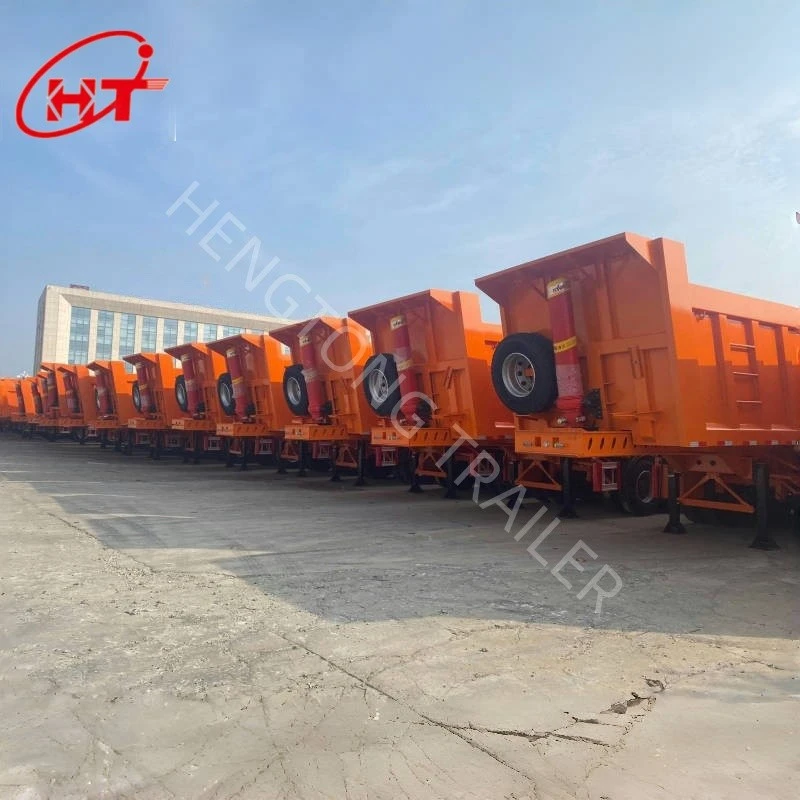
As a cement trailer supplier, we offer a wide range of trailers to suit different needs. If you're interested in other types of trailers, we also have 2 - axle Car Transport Trailer which is great for transporting cars. For those who need a different kind of cement - related vehicle, our 3axle Cement Truck is a reliable option. And if you're in the market for a rear - unloading trailer, check out our Rear Dump Trailer.
Contact Us for Purchase
If you're looking to buy a cement trailer or have any questions about handling them in extreme temperatures, don't hesitate to reach out. We're here to help you make the right choice and ensure you get the most out of your trailer. Whether it's hot or cold outside, we've got the solutions to keep your cement transportation running smoothly.
References
- American Concrete Institute (ACI) publications on concrete in extreme temperatures.
- Trailer manufacturers' manuals for maintenance and operation in different climates.
- Industry reports on the effects of temperature on cement and trailer components.


