

Hey there! As a supplier of Rear Dump Trailers, I've seen firsthand how crucial it is to keep these workhorses in top - notch condition. One of the most overlooked maintenance tasks is lubricating the hinges on a Rear Dump Trailer. In this blog, I'll walk you through the process step - by - step, so you can ensure your trailer operates smoothly and lasts for years to come.
Why Lubricating Hinges Matters
Before we dive into the how - to, let's talk about why lubricating the hinges is so important. The hinges on a Rear Dump Trailer are under a ton of stress. Every time you lift and lower the dump body, these hinges bear the weight and movement, which can lead to wear and tear over time. Without proper lubrication, the hinges can become dry, rusty, and start to bind. This not only makes the dumping process difficult but can also cause damage to the trailer's structure and components.
Tools and Materials You'll Need
To get the job done right, you'll need a few basic tools and materials:
- Lubricant: There are different types of lubricants available, but for trailer hinges, a high - quality grease is usually the best choice. Grease stays in place better than oil and provides long - lasting protection against friction and corrosion.
- Grease Gun: This is used to apply the grease to the hinges. Make sure it's in good working condition.
- Wire Brush: To clean off any dirt, rust, or old grease from the hinges before lubricating.
- Safety Gloves: To protect your hands from the grease and any sharp edges on the trailer.
- Rag: For wiping off excess grease and cleaning up any spills.
Step 1: Inspect the Hinges
Before you start lubricating, take a close look at the hinges. Check for any signs of damage, such as cracks, bent parts, or excessive wear. If you notice any serious issues, it's best to have the hinges repaired or replaced before proceeding with lubrication. Also, look for any dirt, rust, or old grease buildup on the hinges. This can prevent the new lubricant from working effectively.
Step 2: Clean the Hinges
Use the wire brush to clean the hinges thoroughly. Scrub away any dirt, rust, or old grease. Pay special attention to the hinge pins and the areas where the hinge parts meet. This will ensure that the new lubricant can penetrate the surfaces and provide proper protection. After brushing, use the rag to wipe off any loose debris.
Step 3: Prepare the Lubricant
If you're using a grease gun, load it with the appropriate grease. Make sure the grease is compatible with the materials of the hinges. Some greases are formulated for specific types of metals or environmental conditions, so choose one that suits your trailer.
Step 4: Apply the Lubricant
Now it's time to apply the grease to the hinges. Locate the grease fittings on the hinges. These are small holes where the grease will be injected. Attach the grease gun to the fitting and pump the handle to apply the grease. You'll want to apply enough grease so that it starts to come out from the sides of the hinge. This indicates that the grease has filled the internal spaces of the hinge.
Move along the hinge, applying grease to each fitting evenly. Don't over - grease, as this can attract more dirt and cause a mess. Just enough to provide a good layer of lubrication is sufficient.

Step 5: Check the Movement
After lubricating the hinges, open and close the dump body a few times. This will help distribute the grease evenly throughout the hinges and ensure that they move smoothly. Listen for any unusual noises or resistance. If you still notice some stiffness or noise, you may need to apply a little more grease or check for other issues.
Step 6: Clean Up
Wipe off any excess grease from the hinges and the surrounding areas using the rag. This will prevent dirt and debris from sticking to the grease and causing further problems. Dispose of any used rags or old grease properly.
How Often to Lubricate
The frequency of lubrication depends on several factors, such as how often you use the trailer, the operating conditions, and the type of lubricant you use. As a general rule, it's a good idea to lubricate the hinges at least once every few months or after a certain number of dumping cycles. If you use the trailer in harsh conditions, such as in dusty or wet environments, you may need to lubricate more frequently.
Our Rear Dump Trailers
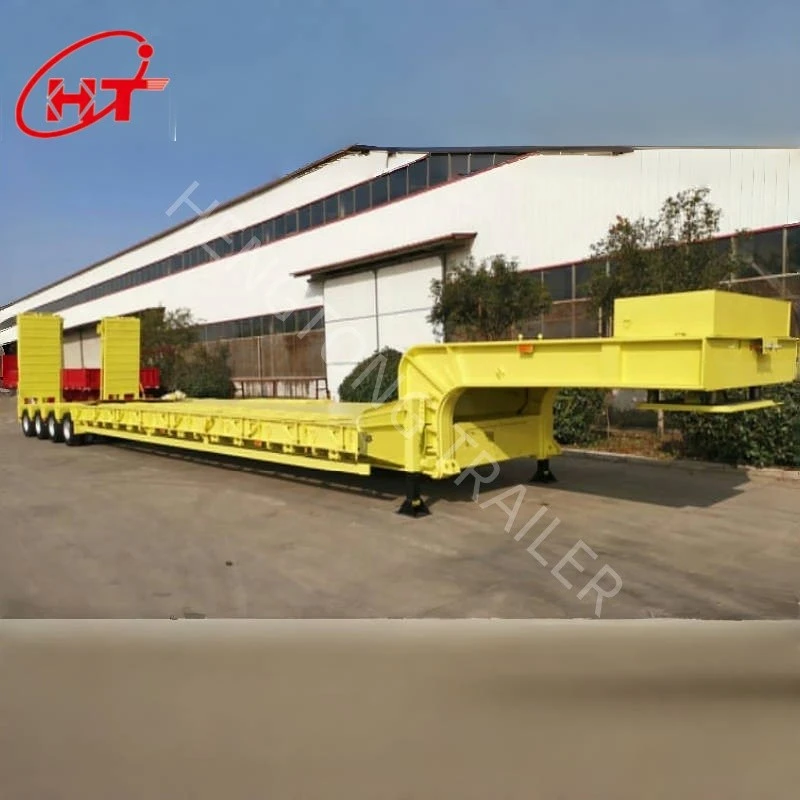
At our company, we offer a wide range of high - quality Rear Dump Trailers, including the 3 Axle Dump Trailer. These trailers are built to last and are designed to handle heavy loads with ease. We also have other great options like the 3 Axle Low Bed Trailer and the 4 Axles Lowbed semi - trailer.
Proper maintenance, like lubricating the hinges, is essential to keep our trailers performing at their best. If you have any questions about our trailers or need more tips on maintenance, feel free to reach out to us.
Conclusion
Lubricating the hinges on a Rear Dump Trailer is a simple yet important maintenance task that can save you a lot of headaches in the long run. By following these steps and keeping up with regular lubrication, you can ensure that your trailer operates smoothly, safely, and efficiently.
If you're in the market for a new Rear Dump Trailer or need to replace an old one, we're here to help. Our team of experts can assist you in choosing the right trailer for your needs and provide you with all the support you need for maintenance and operation. Contact us today to start the conversation about your trailer requirements.
References
- Trailer Maintenance Handbook: General guidelines on trailer maintenance including hinge lubrication.
- Manufacturer's Manuals: Specific instructions for our Rear Dump Trailers and other related products.


