

In the realm of construction and earth - moving operations, a bulldozer's blade is its most critical component. As a well - established used bulldozers supplier, I've witnessed firsthand how the performance of a bulldozer blade can significantly impact the efficiency and productivity of a project. In this blog, I'll share some practical tips on how to optimize the blade performance of a used bulldozer.
1. Inspection and Assessment
Before any optimization efforts, a thorough inspection of the blade is essential. Check for any signs of wear and tear, such as cracks, dents, or excessive corrosion. These issues can not only reduce the blade's effectiveness but also pose safety risks. Measure the blade's cutting edge thickness; if it has worn beyond the recommended limits, it's time for replacement.
Inspect the blade's mounting system as well. Loose or damaged mounting bolts can cause the blade to vibrate during operation, leading to uneven pushing and increased stress on the bulldozer's frame. Make sure all connections are tight and in good condition.
2. Blade Sharpening
A sharp blade is crucial for efficient earth - moving. Over time, the cutting edge of a bulldozer blade becomes dull due to continuous contact with the ground. Sharpening the blade restores its cutting ability, allowing it to penetrate the soil more easily.
There are several methods for sharpening a bulldozer blade. One common approach is to use a grinder. When using a grinder, ensure that you maintain a consistent angle along the cutting edge. Another option is to use a cutting torch to bevel the edge. However, this method requires more skill and precision to avoid over - heating and damaging the blade material.
3. Blade Angle Adjustment
The angle of the bulldozer blade plays a vital role in its performance. There are two main types of blade angles: the tilt angle and the pitch angle.
The tilt angle refers to the side - to - side inclination of the blade. Adjusting the tilt angle can help in leveling uneven terrain or pushing material to one side. For example, when working on a slope, tilting the blade towards the uphill side can prevent the bulldozer from sliding.
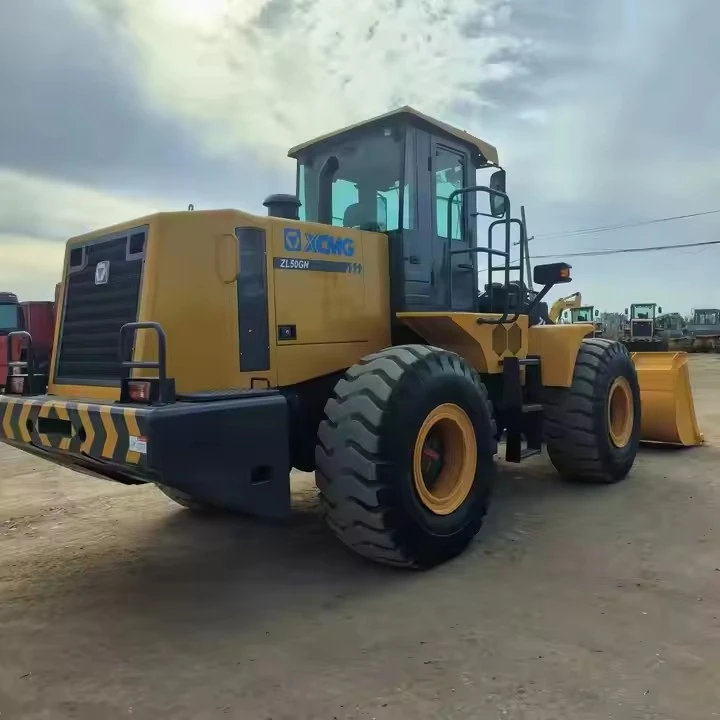

The pitch angle is the front - to - back inclination of the blade. A steeper pitch angle is useful for digging and pushing heavy materials, while a shallower pitch angle is better for spreading and leveling. Experiment with different pitch angles to find the optimal setting for the specific task at hand.
4. Blade Surface Treatment
Applying a surface treatment to the bulldozer blade can reduce friction and improve its performance. One popular surface treatment is the application of a low - friction coating. These coatings can be made of materials such as Teflon or ceramic, which reduce the adhesion of soil and other materials to the blade surface.
Another option is to use a hard - facing material. Hard - facing involves welding a layer of wear - resistant material onto the blade's cutting edge. This not only increases the blade's durability but also enhances its cutting ability.
5. Maintenance of Hydraulic Systems
Most modern bulldozers use hydraulic systems to control the movement of the blade. Proper maintenance of these hydraulic systems is crucial for optimal blade performance.
Regularly check the hydraulic fluid level and quality. Contaminated or low - level hydraulic fluid can cause the hydraulic system to malfunction, resulting in slow or unresponsive blade movement. Replace the hydraulic filters at the recommended intervals to prevent debris from entering the system.
Inspect the hydraulic hoses and fittings for any signs of leaks or damage. A leak in the hydraulic system can lead to a loss of pressure, affecting the blade's lifting and tilting capabilities.
6. Operator Training
Even with a well - maintained blade, the performance of a bulldozer can be limited by an inexperienced operator. Providing proper training to the operators is essential for optimizing blade performance.
Train operators on the correct techniques for using the blade, such as how to adjust the blade angle and how to control the bulldozer's speed. Teach them to be aware of the ground conditions and adjust the blade operation accordingly. For example, when working on soft soil, a shallower blade angle and slower speed may be required to prevent the bulldozer from getting stuck.
7. Compatibility with the Bulldozer
Ensure that the blade is compatible with the specific model of the used bulldozer. Different bulldozers have different power ratings, lifting capacities, and hydraulic systems. Using an incompatible blade can lead to poor performance and potential damage to the bulldozer.
When purchasing a used bulldozer, make sure to check the blade specifications and ensure that they match the requirements of your projects. If necessary, consult with a professional to determine the best blade for your bulldozer.
8. Upgrading the Blade
In some cases, upgrading the blade can significantly improve its performance. There are various types of aftermarket blades available in the market, such as heavy - duty blades, multi - purpose blades, and specialized blades for specific applications.
Heavy - duty blades are designed to withstand more wear and tear, making them suitable for tough construction projects. Multi - purpose blades offer versatility, allowing the bulldozer to perform a variety of tasks. Specialized blades, such as those for snow removal or forestry work, are designed to meet the unique requirements of these applications.
As a used bulldozers supplier, I understand that every construction project has its own unique demands. That's why we also offer a wide range of related used construction machinery, such as Second Hand Refurbished Excavator, Used Digger, and Used Wheel Loader. These machines can complement your bulldozer operations and enhance the overall efficiency of your projects.
If you're interested in optimizing the blade performance of your used bulldozer or are looking to purchase a high - quality used bulldozer or related machinery, don't hesitate to contact us. Our team of experts is ready to assist you in finding the best solutions for your construction needs.
References
- "Bulldozer Operation and Maintenance Manual", Various Manufacturers
- "Construction Equipment Handbook", McGraw - Hill
- Industry Research Reports on Earth - moving Equipment Performance


