

Hey there, fellow construction enthusiasts! As a supplier of Used Diggers, I've seen firsthand the importance of proper storage for these powerful machines. A used digger is a significant investment, and if you don't store it right, you could end up facing a whole bunch of problems down the line. In this blog, I'm gonna share some tips on how to store a used digger properly.
Pre - storage Inspection
Before you even think about storing your used digger, you need to give it a thorough inspection. Check the engine, hydraulic systems, tracks or wheels, and all the other components. Look for any signs of wear and tear, leaks, or damage. If you find any issues, it's best to get them fixed before storage. This way, you can prevent small problems from turning into big, expensive ones.
For example, if you notice a small hydraulic leak, it might seem like a minor thing. But if you leave it during storage, the leak could get worse, and the hydraulic fluid could contaminate other parts of the machine. You can find more details about used diggers and their maintenance on our Used Digger page.
Cleaning the Digger
Once you've completed the inspection, it's time to clean the digger. Construction sites are dirty places, and your digger is bound to be covered in dirt, mud, and debris. Use a high - pressure washer to clean the exterior of the machine. Pay special attention to the tracks or wheels, as dirt and rocks can get stuck in them and cause damage over time.
Don't forget to clean the engine compartment as well. Remove any leaves, twigs, or other debris that might have accumulated. A clean engine runs more efficiently and is less likely to develop problems during storage. You can also use a degreaser to clean the hydraulic components and other greasy parts.
Fluid Management
Proper fluid management is crucial when it comes to storing a used digger. First of all, check the levels of all the fluids, including the engine oil, coolant, hydraulic fluid, and fuel. If the levels are low, top them up. However, if you're planning to store the digger for an extended period, you might want to consider draining some of the fluids.
For instance, fuel can degrade over time, especially if it contains ethanol. It can form varnish and gum deposits that can clog the fuel system. If you're storing the digger for more than a few months, it's a good idea to drain the fuel tank and run the engine until it runs out of fuel to empty the fuel lines.
The engine oil also needs attention. Over time, oil can break down and lose its lubricating properties. You can change the oil before storage to ensure that the engine is protected during the idle period. Similarly, check the coolant level and make sure it has the right mixture to prevent freezing or overheating during storage.
Protecting the Exterior
The exterior of the digger is exposed to the elements, so it's important to protect it. If possible, store the digger in a covered area, such as a shed or a garage. This will protect it from rain, snow, and direct sunlight, which can cause rust and paint damage.
If you don't have a covered storage space, you can use a high - quality waterproof cover. Make sure the cover fits the digger properly and is secured tightly. You can also apply a protective wax or coating to the paintwork to add an extra layer of protection against corrosion.
Battery Care
The battery is an essential part of the digger, and improper storage can lead to a dead battery. Before storing the digger, disconnect the battery cables to prevent any parasitic drains. Then, clean the battery terminals with a wire brush to remove any corrosion.
If possible, remove the battery from the digger and store it in a cool, dry place. Charge the battery fully before storage and then check the charge level every few weeks. If the charge drops, recharge the battery to prevent it from sulfating, which can permanently damage the battery.
Storing in the Right Position
The position in which you store the digger can also affect its condition. Make sure the digger is parked on a flat, stable surface. If it's parked on an uneven surface, it can put stress on the tracks or wheels and the suspension system.
If your digger has tracks, it's a good idea to put some wooden blocks under the tracks to relieve the pressure. This can prevent the tracks from deforming over time. For wheeled diggers, make sure the tires are properly inflated to the recommended pressure.

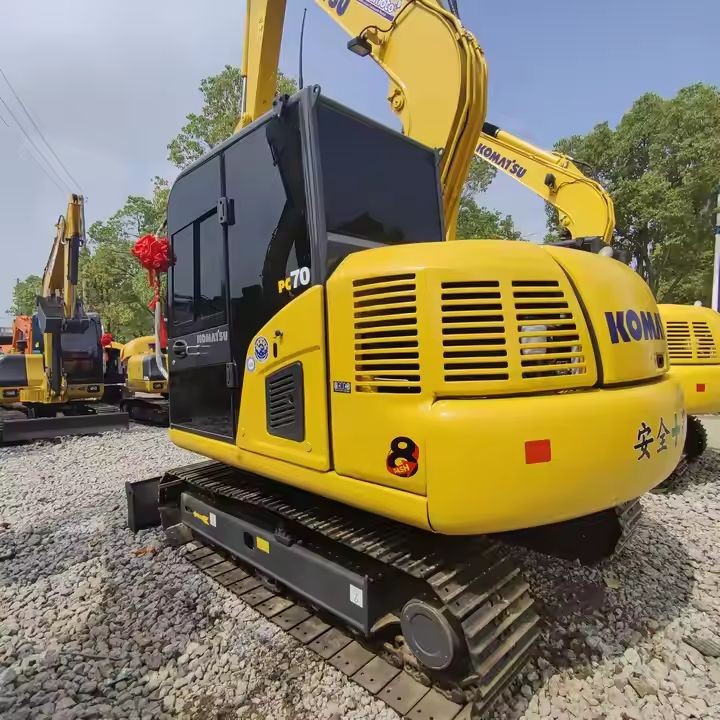
Regular Checks During Storage
Even if you've taken all the necessary steps to store the digger properly, it's still important to perform regular checks. Visit the stored digger at least once a month to make sure everything is okay. Check for any signs of leaks, rust, or damage.
Start the engine for a few minutes every few weeks to keep it lubricated and to circulate the fluids. This can also help prevent the seals from drying out. However, make sure to do this in a well - ventilated area to avoid carbon monoxide poisoning.
Benefits of Proper Storage
Proper storage of a used digger has several benefits. Firstly, it extends the lifespan of the machine. By preventing rust, corrosion, and mechanical damage, you can keep the digger in good working condition for longer. This means you can get more use out of your investment.
Secondly, it reduces maintenance costs. When a digger is stored properly, it's less likely to develop problems, which means you'll spend less money on repairs and maintenance.
Finally, a well - stored digger is more likely to retain its value. If you ever decide to sell the digger, a potential buyer will be more interested in a machine that has been properly cared for.
If you're in the market for other types of construction machinery, we also offer Second Hand Refurbished Excavator and Used Wheel Loader.
We understand that storing a used digger can be a bit of a hassle, but it's definitely worth it in the long run. If you have any questions about storing your used digger or if you're interested in purchasing a used digger from us, don't hesitate to reach out. We're here to help you make the most of your construction equipment.
References
- Construction Equipment Maintenance Guidebooks
- Industry - specific magazines and journals on construction machinery
So, there you have it, folks! Follow these tips, and your used digger will be in great shape even after a long period of storage. Take good care of your equipment, and it'll take good care of you.


