

Hey there! As a supplier of used wheel loaders, I've seen firsthand how important it is to store these machines properly. Whether you're a contractor looking to keep your equipment in top shape during the off - season or a business owner with a fleet of used wheel loaders, proper storage can save you a ton of money and headaches in the long run. So, let's dive into how to store a used wheel loader properly.
Pre - storage Inspection
Before you even think about storing your used wheel loader, you need to give it a thorough inspection. This is like giving your car a check - up before a long trip. Look for any signs of damage, leaks, or wear and tear. Check the tires for proper inflation and any signs of cuts or bulges. Inspect the hydraulic hoses for cracks or leaks, as these can lead to serious problems if left unattended.
Examine the engine oil, coolant, and hydraulic fluid levels. If any of these fluids are low, top them off. It's also a good idea to change the engine oil and filters if it's been a while since the last change. This helps prevent corrosion and keeps the engine running smoothly when you take the wheel loader out of storage.
Cleaning the Wheel Loader
A clean wheel loader is less likely to develop rust and other issues during storage. Start by washing the entire machine with a high - pressure hose to remove dirt, mud, and debris. Pay special attention to the undercarriage, as this area tends to collect a lot of grime.
Use a degreaser to clean the engine and hydraulic components. This helps remove any oil or grease buildup that could attract dirt and cause corrosion. After cleaning, dry the wheel loader thoroughly. You can use a clean cloth or let it air - dry in a well - ventilated area.
Protecting the Exterior
Once the wheel loader is clean and dry, it's time to protect the exterior. Apply a coat of wax to the painted surfaces to prevent rust and keep the paint looking good. You can also use a rust inhibitor on any exposed metal parts, such as the frame and hydraulic cylinders.
Cover the wheel loader with a high - quality tarp. Make sure the tarp is securely fastened to prevent it from blowing off in the wind. A good tarp will protect the machine from the elements, including rain, snow, and UV rays.
Storing the Battery
The battery is a crucial component of the wheel loader, and improper storage can lead to a dead battery. Remove the battery from the machine and clean the terminals with a mixture of baking soda and water to remove any corrosion.
Charge the battery fully before storage and then disconnect the negative terminal. Store the battery in a cool, dry place and check the charge level every few months. If the charge drops below a certain level, recharge the battery to prevent it from sulfating.
Lubrication
Proper lubrication is essential for the long - term health of the wheel loader. Before storage, lubricate all the moving parts, such as the joints, pins, and bearings. Use a high - quality lubricant recommended by the manufacturer.
This helps prevent rust and corrosion and ensures that the parts move freely when you start using the wheel loader again. You can also apply a thin layer of grease to the exposed metal parts of the hydraulic cylinders to protect them from moisture.
Storing in the Right Location
The location where you store your used wheel loader is just as important as the storage steps themselves. Choose a dry, well - ventilated area, such as a covered shed or a garage. Avoid storing the machine outdoors in direct sunlight or in areas prone to flooding.
If you don't have a covered storage area, you can still use a high - quality storage building. Make sure the building is sturdy and can protect the wheel loader from the elements. It's also a good idea to place the wheel loader on a level surface to prevent any uneven stress on the tires and other components.
Periodic Checks
Even though the wheel loader is in storage, it's important to check on it periodically. Every few weeks, take a look at the machine to make sure everything is in good condition. Check the tarp for any signs of damage and make sure it's still securely fastened.
Inspect the tires for any signs of flat - spotting. If you notice any issues, address them immediately. You can also start the engine for a few minutes every month to keep it lubricated and prevent the battery from losing its charge.
Benefits of Proper Storage
Proper storage of your used wheel loader offers several benefits. First and foremost, it extends the lifespan of the machine. By preventing rust, corrosion, and other issues, you can keep the wheel loader in good working condition for many years.
It also saves you money on repairs and maintenance. A well - stored wheel loader is less likely to break down, which means fewer costly repairs. Additionally, a properly stored machine retains its value better, which is important if you ever decide to sell it.
Why Choose Our Used Wheel Loaders
As a supplier of Used Loader, we understand the importance of proper storage. We take great care in preparing our machines for sale, and we can offer you valuable advice on how to store your wheel loader properly.

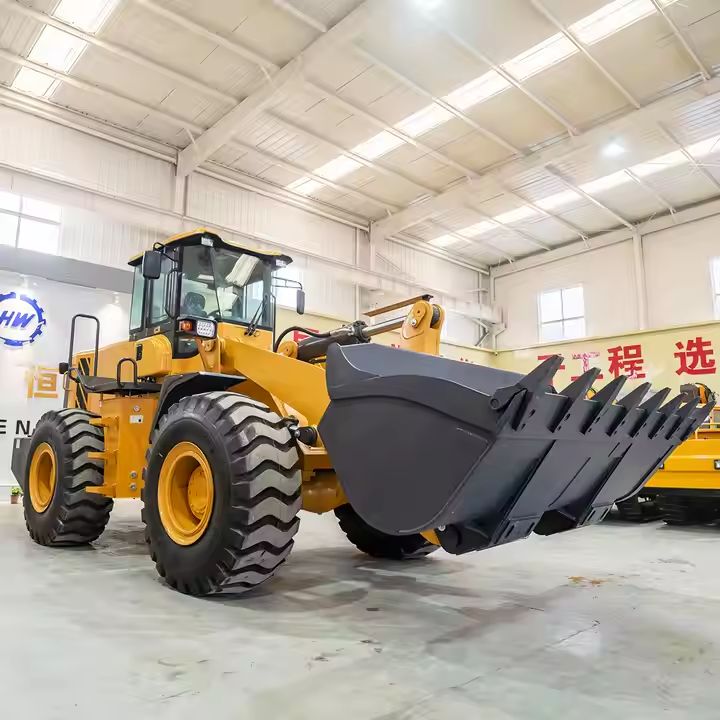
We also have a wide selection of Used HELI Forklift and Used Shovel Loader for those of you looking for other types of construction equipment. Our machines are inspected and tested to ensure they meet high - quality standards.
If you're in the market for a used wheel loader or other construction equipment, don't hesitate to get in touch with us. We're here to help you find the right machine for your needs and provide you with all the information you need to keep it in top shape. Whether you're a small business owner or a large construction company, we have the expertise and the inventory to meet your requirements.
Conclusion
Storing a used wheel loader properly is not rocket science, but it does require some time and effort. By following these steps, you can ensure that your wheel loader stays in good condition during storage and is ready to go when you need it.
If you have any questions about storing your used wheel loader or if you're interested in purchasing a used wheel loader from us, feel free to reach out. We're always happy to help and look forward to working with you.
References
- Manufacturer's manuals for used wheel loaders
- Industry best practices for construction equipment storage


