

Hey there! As a used wheel loader supplier, I've dealt with all sorts of questions about these beasts of machines. One of the most common queries I get is how to transport a used wheel loader. It's not as simple as just hitching it up and driving away. So, let's dive into the nitty - gritty of transporting these heavy - duty machines.
Pre - transport Checks
Before you even think about moving a used wheel loader, you've got to do some thorough checks. First off, examine the loader's mechanical condition. Check the engine oil, coolant, and hydraulic fluid levels. Low levels can cause problems during transit, and you don't want to be dealing with a breakdown halfway through the journey.
Inspect the tires as well. Make sure they're properly inflated and don't have any major cuts or damages. You don't want a flat tire while on the road. And don't forget about the brakes. The last thing you need is a loader that can't stop when it should.
Another crucial step is to secure any loose parts. Things like buckets, forks, or other attachments should be firmly fastened. You can use straps or chains to keep them in place. This prevents them from shifting during transport, which could cause damage to the loader or even pose a safety risk.
Choosing the Right Transport Method
There are a few different ways to transport a used wheel loader, and the choice depends on several factors like distance, cost, and the loader's size.
Flatbed Trailer
This is one of the most common methods. A flatbed trailer provides a stable platform for the loader. You can drive the loader onto the trailer using a ramp. Make sure the trailer is the right size for the loader. It should be long and wide enough to accommodate the machine comfortably.
When loading the loader onto the flatbed, position it in the center as much as possible. This helps with balance and reduces the risk of the trailer tipping over. After positioning, use heavy - duty straps or chains to secure the loader to the trailer. Attach the straps at multiple points, like the frame and axles, to ensure a tight hold.

Lowboy Trailer
If you're dealing with a larger or taller wheel loader, a lowboy trailer might be a better option. Lowboy trailers have a lower deck height, which means you can transport taller loaders without exceeding height restrictions on the road. They're also great for transporting loaders with a high center of gravity, as the lower deck provides more stability.
Similar to the flatbed, you'll need to drive the loader onto the lowboy using a ramp. Once it's on, secure it tightly with straps or chains.
Self - Propelled Transport
In some cases, if the distance is short and the road conditions are suitable, you might be able to transport the loader under its own power. However, this method has its limitations. You need to make sure the loader is in good working condition and that you have all the necessary permits. Also, you'll need to be aware of local traffic laws regarding the movement of heavy machinery on public roads.
Obtaining Permits
No matter which transport method you choose, you'll likely need to obtain some permits. The requirements vary depending on the state or country you're in. For example, if you're transporting the loader across state lines in the US, you'll need to comply with federal regulations as well as the specific rules of each state you'll be passing through.
Permits are usually required for oversized or overweight loads. You'll need to provide details about the loader, such as its dimensions, weight, and the route you'll be taking. It's a good idea to start the permit - application process well in advance to avoid any delays.
Loading and Securing the Loader
Once you've chosen the transport method and obtained the necessary permits, it's time to load and secure the loader.
Loading
When loading the loader onto the trailer, take it slow. Make sure the ramp is stable and properly positioned. Drive the loader onto the trailer at a steady speed. If you're using a flatbed or lowboy, have someone guide you to ensure you're centered correctly.
Securing
Securing the loader is crucial for safety. As I mentioned earlier, use heavy - duty straps or chains. Attach them to the loader's frame and the trailer's tie - down points. Make sure the straps or chains are tight and don't have any slack. You can use a ratchet or winch to tighten them.
Check the tension of the straps or chains regularly during the journey. Vibrations and movement can cause them to loosen over time.
During Transport
During the transport, there are a few things you need to keep in mind. First, drive carefully. The extra weight and size of the loader can affect the handling of the vehicle pulling the trailer. Take turns slowly and leave plenty of stopping distance.
Keep an eye on the loader during stops. Check the straps or chains to make sure they're still secure. Also, look for any signs of damage or movement.
If you're transporting the loader under its own power, be extra cautious. Watch out for obstacles and make sure you're following all traffic laws.
Unloading the Loader
Once you've reached your destination, it's time to unload the loader. Similar to loading, take it slow. Lower the ramp and drive the loader off the trailer at a steady speed. Have someone guide you to ensure a safe exit.
After unloading, inspect the loader for any damage that might have occurred during transport. If you find any issues, document them and take appropriate action.
Why Choose Our Used Wheel Loaders
At our place, we offer top - notch Used Loader. Our used wheel loaders are thoroughly inspected and refurbished to ensure they're in great working condition. We also have a wide range of models to choose from, so you can find the one that suits your needs.
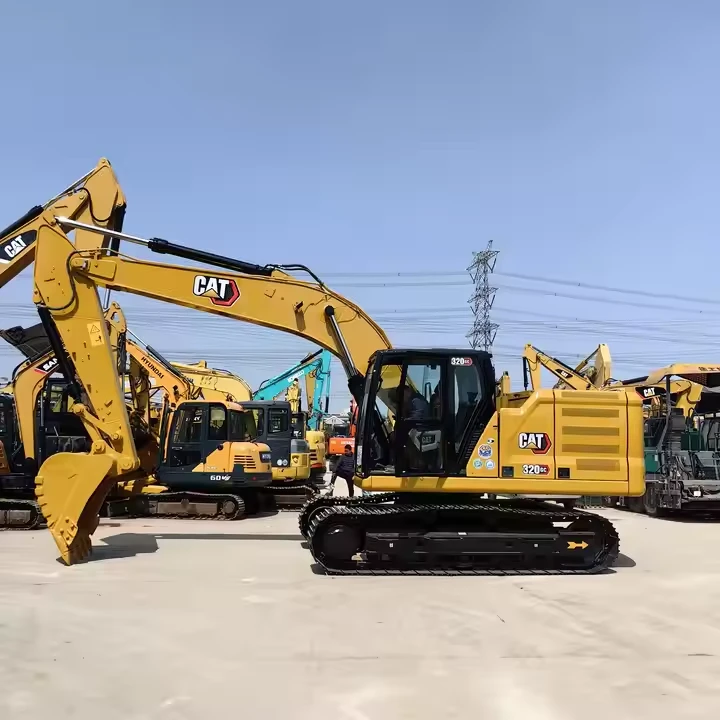
In addition to used wheel loaders, we also supply Second Hand Refurbished Excavator and Used Bulldozers. All our machines come with detailed information about their history, condition, and maintenance records.
If you're in the market for a used wheel loader or any other construction machinery, don't hesitate to get in touch. We're here to answer all your questions and help you make the right choice. Whether it's about transport or the machine itself, we've got you covered.
Conclusion
Transporting a used wheel loader requires careful planning and attention to detail. From pre - transport checks to obtaining permits and securing the loader, every step is important. By following these guidelines, you can ensure a safe and successful transport. And if you're looking for a reliable used wheel loader supplier, we're just a message away.
References
- Construction Equipment Handbook
- Federal and State Transportation Regulations Manual


