

Hey there! As a supplier of Crude Haulers, I often get asked about the differences between a Crude Hauler and a tanker truck. It's a common question, and one that's important to understand if you're in the business of transporting liquids, especially crude oil. So, let's dive right in and break it down.
What's a Crude Hauler?
A Crude Hauler is a specialized vehicle designed specifically for transporting crude oil from the well - head to refineries, storage facilities, or other destinations. These trucks are built tough to handle the rigors of the oil - field environment. They're often used in areas where the roads can be rough, and the conditions are less than ideal.
Crude Haulers usually have a high - capacity tank that's built to withstand the corrosive nature of crude oil. The tanks are made from heavy - duty materials like steel, which can resist the chemical reactions that might occur with the oil. They also come with advanced safety features, such as emergency shut - off valves and spill containment systems. This is crucial because any spill of crude oil can have a significant environmental impact.

One of the key features of a Crude Hauler is its ability to operate in remote locations. They're equipped with powerful engines and sturdy suspension systems that allow them to navigate through mud, gravel, and uneven terrain. Many Crude Haulers also have large fuel tanks, so they can cover long distances without needing to refuel frequently.
What's a Tanker Truck?
A tanker truck, on the other hand, is a more general - purpose vehicle used for transporting various types of liquids, not just crude oil. Tanker trucks can carry anything from gasoline and diesel fuel to water, milk, and even chemicals.
Tanker trucks come in different sizes and configurations. Some are small, single - axle trucks that can be used for local deliveries, while others are large, multi - axle semi - trailers that can transport large volumes of liquid over long distances. The tanks on tanker trucks can be made from different materials depending on the type of liquid they're carrying. For example, tanks for transporting food products like milk are usually made from stainless steel to ensure hygiene, while tanks for chemicals might be made from specialized polymers to resist corrosion.
Tanker trucks are designed to be more versatile than Crude Haulers. They're often used in urban and suburban areas, where they need to be able to maneuver through traffic and make frequent stops. As a result, they tend to have better handling and braking systems compared to Crude Haulers.
Key Differences
1. Cargo
The most obvious difference between a Crude Hauler and a tanker truck is the type of cargo they carry. Crude Haulers are dedicated to transporting crude oil, which is a raw, unrefined petroleum product. Tanker trucks, as mentioned earlier, can carry a wide variety of liquids.
2. Design and Construction
Crude Haulers are built for durability and off - road performance. Their tanks are typically larger and more robust to handle the large volumes of crude oil and the harsh conditions of oil - field operations. They also have stronger chassis and suspension systems to deal with rough terrain.
Tanker trucks, in contrast, are designed more for on - road use. They're built to be more aerodynamic and fuel - efficient, with a focus on maneuverability in urban and suburban settings. Their tanks are often more compact and may have different shapes to fit the design requirements of the vehicle.
3. Safety Features
Both Crude Haulers and tanker trucks have safety features, but the requirements for Crude Haulers are often more stringent. Since crude oil is a highly flammable and environmentally hazardous substance, Crude Haulers need to have advanced safety systems in place. This includes things like double - walled tanks to prevent spills, and more comprehensive emergency response equipment.
Tanker trucks also have safety features, but the specific requirements depend on the type of liquid they're carrying. For example, a tanker truck carrying water may not need the same level of fire - prevention equipment as one carrying gasoline.
4. Regulatory Requirements
Crude Haulers are subject to strict regulations due to the nature of the cargo they carry. These regulations cover everything from the construction of the vehicle to the training of the drivers. There are also strict environmental regulations regarding the prevention of spills and the proper disposal of any waste associated with the transportation of crude oil.
Tanker trucks are also regulated, but the regulations can vary depending on the type of liquid being transported. For example, the regulations for transporting food products are different from those for transporting chemicals.
Our Crude Hauler Offerings
As a Crude Hauler supplier, we offer a range of high - quality vehicles that are designed to meet the specific needs of the oil - field industry. Our Crude Haulers are built with the latest technology and safety features to ensure reliable and efficient transportation of crude oil.
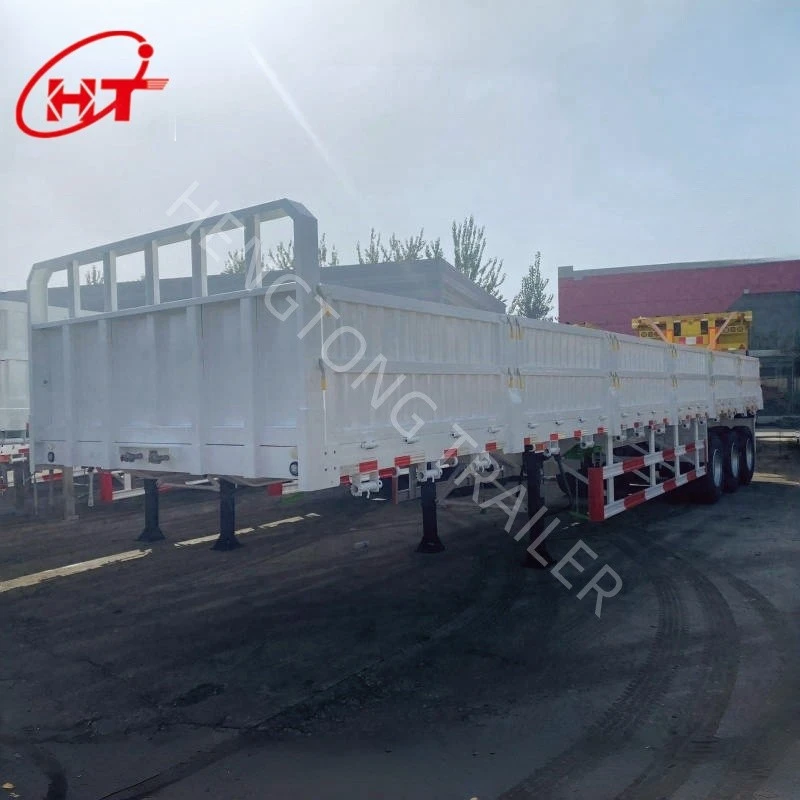
We also have a variety of other semi - trailers in our product line, such as the 3 - axis Fence Trailer, which is great for transporting large, bulky items, the 40ft Flatbed Semi Trailer, perfect for hauling heavy equipment, and the 40000L Water Trailer, which can be used for various water - related applications.
Why Choose Our Crude Haulers?
When you choose our Crude Haulers, you're getting a vehicle that's built to last. Our trucks are made from high - quality materials and are rigorously tested to ensure they can withstand the toughest conditions. We also provide excellent customer service, with a team of experts who can help you with any questions or issues you may have.
In addition, our Crude Haulers are designed with safety in mind. We understand the importance of protecting the environment and ensuring the safety of our drivers and the public. That's why our trucks are equipped with the latest safety features and are compliant with all relevant regulations.
Contact Us for Purchase and Negotiation
If you're in the market for a Crude Hauler or any of our other semi - trailers, we'd love to hear from you. Whether you're a small - scale oil producer or a large - scale transportation company, we can provide you with the right vehicle to meet your needs. Contact us today to start the purchase negotiation process. We're confident that we can offer you a great deal and provide you with a vehicle that will serve you well for years to come.
References
- American Petroleum Institute. (20XX). Guidelines for the Transportation of Crude Oil.
- Department of Transportation. (20XX). Regulations for Tanker Trucks and Crude Haulers.
- International Tanker Owners Pollution Federation. (20XX). Best Practices for Liquid Transportation.


