

Hey there! As a supplier of used wheel loaders, I've seen the ins and outs of the market. While there are plenty of reasons why someone might consider buying a used wheel loader – like cost savings and the potential to get a good deal – it's not all sunshine and rainbows. Today, I'm gonna break down some of the disadvantages that come with purchasing a used wheel loader.
1. Uncertain Maintenance History
One of the biggest headaches when buying a used wheel loader is not knowing its maintenance history. You see, a well - maintained machine can run smoothly for years, but if it's been neglected, you're in for a world of trouble.
Some previous owners might not have followed the manufacturer's recommended maintenance schedule. They could have skipped oil changes, ignored minor issues that later turned into major problems, or used sub - standard parts during repairs. When you buy a used wheel loader, you might end up with a machine that's on the verge of a breakdown. For example, if the hydraulic system hasn't been properly maintained, you could face leaks, reduced lifting capacity, or even complete system failure. And let me tell you, hydraulic repairs can be a real wallet - buster.
2. Higher Risk of Mechanical Failures
Used wheel loaders have already put in some serious hours on the job site. With all that wear and tear, the risk of mechanical failures is significantly higher compared to a brand - new machine.
Components like the engine, transmission, and axles are under a lot of stress during normal operation. Over time, these parts can start to show signs of aging. The engine might start to burn more oil, the transmission could slip, or the axles could develop play. These issues not only disrupt your work but also cost you money in repairs and downtime.

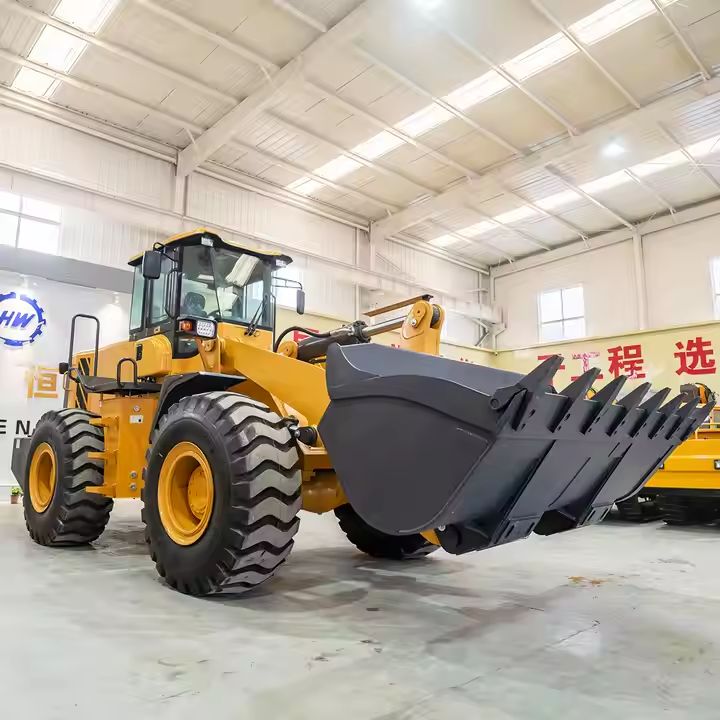
Let's say you're in the middle of a big project, and your used wheel loader's engine gives out. You'll have to stop work, find a mechanic, and wait for the parts to arrive. All this time, you're losing money on the project and potentially damaging your reputation with clients.
3. Outdated Technology
The construction equipment industry is constantly evolving, and new technologies are being developed all the time. Used wheel loaders, especially those that are a few years old, might lack the latest features and advancements.
Newer models often come with improved fuel efficiency, better operator comfort, and advanced safety features. For instance, modern wheel loaders might have automatic bucket leveling, which makes the operator's job easier and more precise. They could also have better visibility from the cab, reducing the risk of accidents.
If you buy a used wheel loader that's a few years old, you might miss out on these benefits. You'll be stuck with a machine that's less efficient, less comfortable to operate, and potentially less safe.
4. Limited Warranty
When you buy a brand - new wheel loader, you usually get a comprehensive warranty that covers a wide range of parts and services for a certain period. But with a used wheel loader, the warranty situation is often much different.
Most used wheel loaders come with a limited warranty, if any at all. The warranty might only cover a few major components for a short period, or it could have a lot of exclusions and conditions. This means that if something goes wrong with your used wheel loader after the purchase, you'll likely have to pay for the repairs out of your own pocket.
5. Difficulty in Finding Compatible Parts
As wheel loaders age, finding compatible parts can become a real challenge. Manufacturers might stop producing parts for older models, or the parts might be hard to come by.
If you need to replace a specific component on your used wheel loader, you might have to search high and low to find a suitable part. This could involve contacting multiple suppliers, waiting for back - ordered parts, or even having to modify parts to make them fit. All this adds time and cost to your repair process.
6. Resale Value Concerns
When it comes time to sell your used wheel loader, you might find that its resale value is lower than you expected. The fact that it's already a used machine means that potential buyers will be more cautious and might offer a lower price.
Also, if your used wheel loader has a history of mechanical problems or is an older model with outdated technology, it will be even harder to get a good price for it. This can be a significant drawback, especially if you were planning to upgrade to a newer machine in the future.
7. Compatibility with Attachments
Newer wheel loaders are designed to be more compatible with a wide range of attachments. They often have standardized mounting systems and hydraulic connections that make it easy to swap between different buckets, forks, and other tools.
However, used wheel loaders might have older or non - standard mounting systems. This can make it difficult or impossible to use the latest attachments without significant modifications. If you need to use different attachments for your projects, this could be a major limitation.
8. Environmental Concerns
Older used wheel loaders might not meet the latest environmental standards. They could emit higher levels of pollutants, such as particulate matter and nitrogen oxides, compared to newer models.
In many areas, there are strict regulations regarding emissions from construction equipment. If your used wheel loader doesn't meet these standards, you might face fines or restrictions on where you can use it. This can limit your business opportunities and add an extra layer of hassle to your operations.
Conclusion
So, there you have it – the disadvantages of buying a used wheel loader. But don't get me wrong, there are still some great deals out there, and a used wheel loader can be a good option if you do your homework.
If you're still interested in a used wheel loader, we've got a great selection at our place. And if you're also looking for other types of construction machinery, check out our Used Bulldozers, Used Loader, and Used Shovel Loader options.
If you have any questions or want to discuss your specific needs, feel free to reach out. We're here to help you make the best decision for your business.
References
- Construction Equipment Magazine
- Manufacturer's manuals for wheel loaders
- Industry reports on used construction equipment market


