

A tank semi - trailer is a specialized type of semi - trailer designed to transport various types of liquids or gases. As a semi - trailer supplier, I have in - depth knowledge of the features that make these vehicles stand out in the transportation industry. In this blog, I will explore the key features of tank semi - trailers.
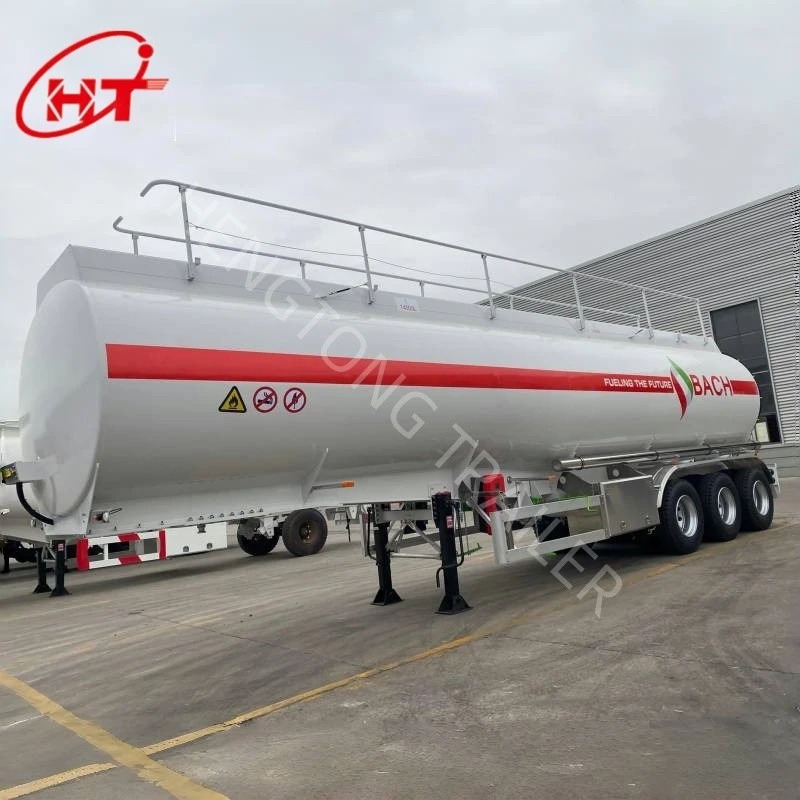
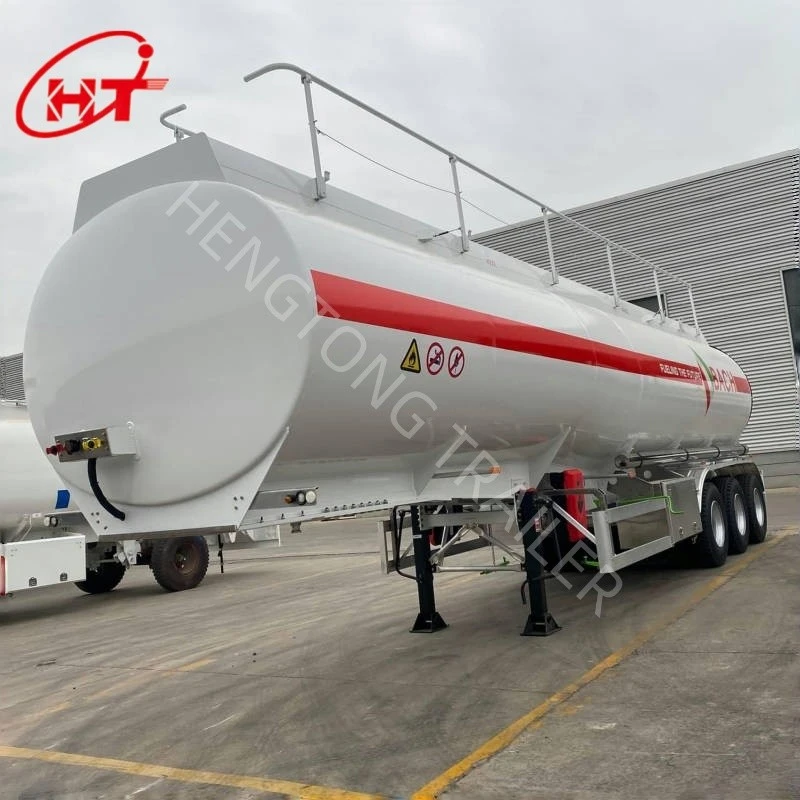
1. Structural Design
The structural design of a tank semi - trailer is crucial for its functionality and safety. The tank itself is usually the most prominent part, and it comes in different shapes, such as cylindrical, elliptical, or spherical. Cylindrical tanks are the most common due to their simplicity in manufacturing and efficient use of space. They can evenly distribute the pressure of the liquid or gas inside, reducing the risk of structural failure.
The tank is mounted on a chassis, which is designed to support the weight of the tank and its contents. The chassis is typically made of high - strength steel to ensure durability. It has a modular design in many cases, allowing for easy customization and maintenance. For example, some components of the chassis can be easily replaced if they are damaged, which reduces downtime and maintenance costs.
2. Material Selection
The materials used in the construction of tank semi - trailers play a vital role in determining their performance and lifespan. The tank is often made of stainless steel, aluminum, or carbon steel. Stainless steel is highly corrosion - resistant, making it suitable for transporting corrosive liquids such as acids and chemicals. It also has a long service life and is relatively easy to clean, which is important for maintaining the quality of the transported goods.
Aluminum is a lightweight material, which can significantly reduce the overall weight of the semi - trailer. This leads to better fuel efficiency and allows for a higher payload capacity. However, it may not be as strong as stainless steel or carbon steel, so it is more commonly used for transporting less - dense liquids or in applications where weight reduction is a top priority.
Carbon steel is a cost - effective option with good strength. It is commonly used for transporting non - corrosive liquids such as water and fuel. However, it requires proper coating and maintenance to prevent rusting.
3. Safety Features
Safety is of utmost importance when it comes to tank semi - trailers, as they often transport hazardous materials. One of the key safety features is the installation of pressure relief valves. These valves are designed to release excess pressure inside the tank to prevent explosions or ruptures. They are set to open at a specific pressure level, ensuring that the tank remains within a safe operating range.
Another important safety feature is the use of baffles inside the tank. Baffles are partitions that divide the tank into smaller compartments. They help to reduce the sloshing of the liquid during transportation, which can improve the stability of the semi - trailer and prevent sudden shifts in weight that could lead to accidents.
In addition, tank semi - trailers are equipped with emergency shut - off valves. These valves can be quickly closed in case of an emergency, such as a leak or a fire, to prevent the further release of the transported material.
4. Loading and Unloading Systems
Efficient loading and unloading systems are essential for tank semi - trailers. There are various types of loading and unloading methods, depending on the nature of the transported material. For liquids, gravity - fed systems are commonly used for lighter liquids, where the liquid flows out of the tank due to gravity. For heavier or more viscous liquids, pumps may be required to transfer the liquid in and out of the tank.
Some tank semi - trailers are also equipped with multiple compartments, which allow for the transportation of different types of liquids simultaneously. This requires a more complex loading and unloading system, with separate valves and pipelines for each compartment.
5. Insulation
In some cases, tank semi - trailers need to be insulated to maintain the temperature of the transported material. For example, when transporting liquefied gases or temperature - sensitive liquids, insulation can prevent heat transfer and keep the material at the desired temperature. Insulation materials such as foam or fiberglass are commonly used, and they are applied to the outside of the tank.
6. Compatibility with Different Liquids and Gases
Tank semi - trailers are designed to be compatible with a wide range of liquids and gases. They can transport fuels, chemicals, food products, and even liquefied natural gas (LNG). The design and materials of the tank are carefully selected to ensure that they do not react with the transported material. For example, when transporting food products, the tank must be made of food - grade materials to prevent contamination.
7. Customization Options
As a semi - trailer supplier, I understand that different customers have different requirements. That's why tank semi - trailers offer a high degree of customization. Customers can choose the size, shape, and capacity of the tank according to their transportation needs. They can also select additional features such as extra safety equipment, specialized loading and unloading systems, or enhanced insulation.
For example, if a customer needs to transport a large volume of fuel, they may choose a 45000L Fuel Tanker Truck. On the other hand, if they are in the business of livestock transportation, a Livestock Transportation Semi - trailer with appropriate ventilation and safety features would be more suitable. And for general cargo transportation, a Fence Semi Trailer can be customized with different fence heights and configurations.
8. Regulatory Compliance
Tank semi - trailers must comply with various national and international regulations. These regulations cover aspects such as safety standards, environmental protection, and transportation of hazardous materials. For example, in the United States, the Department of Transportation (DOT) has strict regulations regarding the design, construction, and operation of tank semi - trailers. Compliance with these regulations is not only a legal requirement but also ensures the safety of the public and the environment.
Conclusion
In conclusion, tank semi - trailers have a wide range of features that make them suitable for transporting different types of liquids and gases. From their structural design and material selection to their safety features and customization options, every aspect is carefully engineered to meet the specific needs of the transportation industry.
If you are in the market for a tank semi - trailer or any other type of semi - trailer, I invite you to contact me for a detailed discussion. We can work together to find the perfect solution for your transportation requirements. Whether you need a standard model or a customized design, we have the expertise and resources to deliver a high - quality product.
References
- "Transportation of Liquids and Gases: A Guide to Tank Semi - Trailers", Industry Research Report, 2023
- "Safety Standards for Tank Semi - Trailers", National Transportation Safety Administration, 2022
- "Materials and Design Considerations for Tank Semi - Trailers", Journal of Heavy - Duty Vehicle Engineering, 2021


