

What is a flatbed trailer? Well, if you're in the transportation or logistics game, you've probably heard of them. As a trailer supplier, I've dealt with all sorts of trailers, and flatbeds are a staple in the industry. Let's dive into what they are, their uses, and why they might be the right choice for your hauling needs.
What Exactly is a Flatbed Trailer?
A flatbed trailer is a type of trailer that has a flat, level deck without any sides or roof. It's like a big, open - topped platform on wheels. This design makes it incredibly versatile because you can load all kinds of cargo onto it. The deck is usually made of steel or aluminum, which gives it the strength to carry heavy loads.
The size of flatbed trailers can vary widely. You can find small ones that are just a few feet long, perfect for hauling smaller items like ATVs or small construction equipment. On the other hand, there are huge flatbeds that can be over 50 feet long, used for transporting large machinery, building materials, or even pre - fabricated structures.
Types of Flatbed Trailers
There are different types of flatbed trailers, each designed for specific purposes.
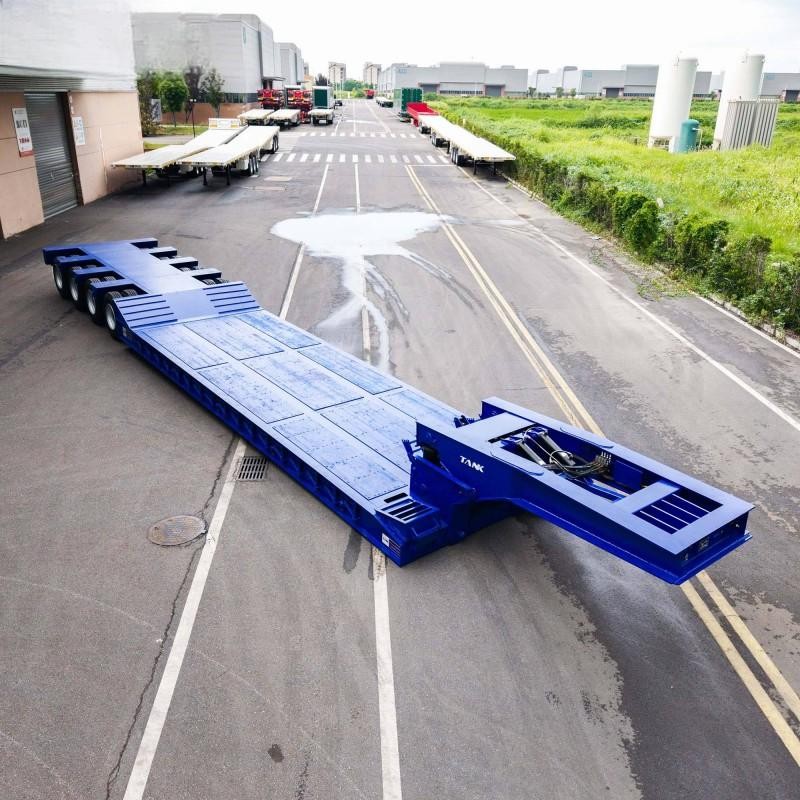

- Standard Flatbed Trailers: These are the most common type. They have a simple, straightforward design with a flat deck and a set of axles. They're great for general hauling of all sorts of goods, from lumber to steel pipes.
- Lowboy Flatbed Trailers: Lowboys have a lower deck height compared to standard flatbeds. This makes them ideal for transporting tall or heavy equipment that needs to be kept close to the ground for stability. For example, you might see a lowboy carrying a large excavator or a crane. If you're interested in a lowboy, check out our 4 Axle Lowbed For Sale and 4 Axles Lowbed semi -trailer.
- Drop - Deck Flatbed Trailers: Drop - deck trailers have a deck that drops down in the middle section. This design allows for taller cargo to be loaded without exceeding the legal height limit. They're often used for hauling large vehicles or industrial equipment.
- Extendable Flatbed Trailers: As the name suggests, these trailers can be extended in length. This is useful when you need to transport long items like beams or pipes that are longer than the standard trailer length.
Advantages of Using Flatbed Trailers
One of the biggest advantages of flatbed trailers is their versatility. You can load cargo from the sides, the front, or the back, which is much easier than trying to load into a trailer with sides and a roof. This makes them suitable for all kinds of oddly - shaped or oversized cargo.
Another advantage is the ease of loading and unloading. With no sides or roof to get in the way, you can use cranes, forklifts, or other heavy - duty equipment to quickly load and unload your cargo. This saves time and labor costs, especially when dealing with large or heavy items.
Flatbed trailers are also very durable. The steel or aluminum decks can withstand a lot of wear and tear, and the axles and suspension systems are designed to handle heavy loads. This means they have a long lifespan and can provide reliable service for many years.
Common Uses of Flatbed Trailers
Flatbed trailers are used in a wide range of industries.
- Construction Industry: In construction, flatbeds are used to transport building materials like lumber, steel beams, bricks, and concrete blocks. They're also used to move heavy construction equipment such as bulldozers, loaders, and backhoes from one job site to another.
- Agriculture: Farmers use flatbed trailers to haul hay bales, farm machinery, and livestock trailers. The open - top design makes it easy to load and unload these items.
- Manufacturing: Manufacturers use flatbeds to transport large parts, machinery, and finished products. For example, a car manufacturer might use a flatbed to transport car bodies to an assembly plant.
- Transportation and Logistics: Logistics companies rely on flatbed trailers to move all sorts of goods across the country. They can be used for both local and long - distance hauling.
Considerations When Buying a Flatbed Trailer
If you're thinking about buying a flatbed trailer, there are a few things you need to consider.
- Load Capacity: You need to know how much weight the trailer can carry. This will depend on the number of axles and the design of the trailer. Make sure to choose a trailer with a load capacity that meets your needs.
- Length and Width: Consider the size of the cargo you'll be hauling. You want to make sure the trailer is long and wide enough to accommodate your loads.
- Material and Build Quality: As mentioned earlier, flatbed trailers are usually made of steel or aluminum. Steel is stronger and more durable, but it's also heavier. Aluminum is lighter, which can improve fuel efficiency, but it may be more expensive.
- Suspension System: A good suspension system is important for a smooth ride and to protect your cargo. There are different types of suspension systems available, such as leaf spring and air suspension.
If you're looking for a specific size, our 40 Feet Low Bed Trailer might be a great option.
Maintenance of Flatbed Trailers
Proper maintenance is crucial to keep your flatbed trailer in good working condition.
- Regular Inspections: Check the trailer regularly for any signs of damage, such as cracks in the frame, worn - out tires, or loose bolts. Make sure to inspect the brakes, lights, and suspension system as well.
- Cleaning: Keep the trailer clean to prevent rust and corrosion. Wash the deck regularly and remove any dirt or debris that might have accumulated.
- Lubrication: Lubricate the moving parts, such as the axles and the suspension system, to reduce friction and wear.
Conclusion
Flatbed trailers are an essential part of the transportation and logistics industry. Their versatility, ease of loading and unloading, and durability make them a popular choice for hauling all kinds of cargo. Whether you're in the construction, agriculture, manufacturing, or transportation business, a flatbed trailer can help you get the job done.
If you're interested in purchasing a flatbed trailer or have any questions about our products, don't hesitate to reach out. We're here to help you find the right trailer for your needs. Contact us today to start the conversation and let's work together to find the perfect flatbed solution for your hauling requirements.
References
- "Trailer Handbook: A Guide to Trailers and Their Uses"
- Industry reports on flatbed trailer manufacturing and usage


