

As a provider of Sewage Suction Trucks, I've witnessed firsthand the importance of understanding the discharging process of these specialized vehicles. In this blog post, I'll delve into the intricacies of how a sewage suction truck discharges its collected waste, providing you with a comprehensive overview of the process.
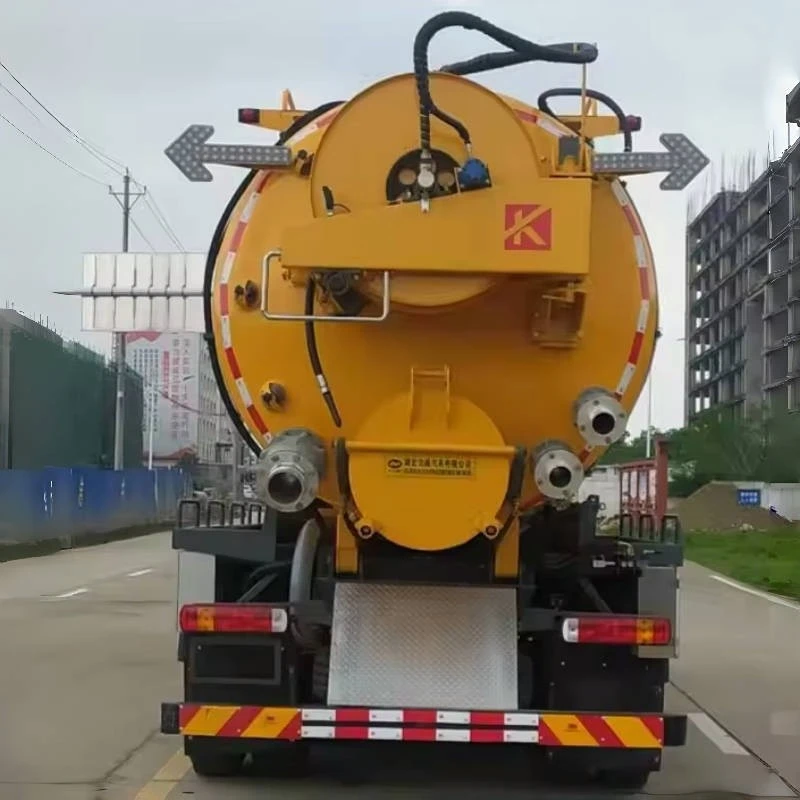
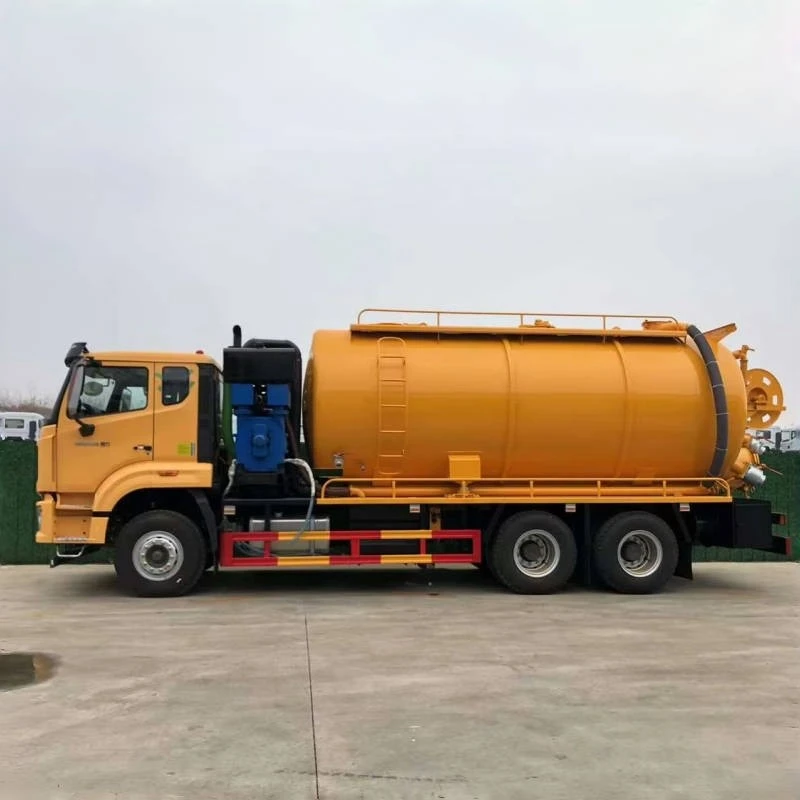
Understanding the Basics of a Sewage Suction Truck
Before we dive into the discharging process, let's briefly review what a sewage suction truck is and how it operates. A sewage suction truck, also known as a vacuum truck or septic truck, is a specialized vehicle designed to collect and transport liquid and solid waste from septic tanks, sewer systems, and other wastewater sources. These trucks are equipped with a powerful vacuum pump that creates a negative pressure inside the tank, allowing it to suck up the waste through a suction hose.
Once the waste is collected, it is stored in a large tank on the truck. The tank is typically made of high-strength steel or fiberglass and is designed to withstand the weight and pressure of the collected waste. When the tank is full, the truck is ready to transport the waste to a treatment facility or disposal site.
The Discharging Process
The discharging process of a sewage suction truck is a critical step in the waste management cycle. It involves safely and efficiently transferring the collected waste from the truck's tank to a designated disposal site. Here's a step-by-step breakdown of the discharging process:
Step 1: Preparation
Before discharging the waste, the operator must ensure that the truck is parked in a safe and stable location. The area should be level and free of any obstacles that could interfere with the discharging process. The operator should also check the truck's equipment and systems to ensure that they are in good working condition.
Step 2: Connecting the Discharge Hose
Once the truck is parked, the operator will connect a discharge hose to the tank's outlet valve. The discharge hose is typically made of high-strength rubber or PVC and is designed to withstand the pressure and flow of the waste. The operator will then secure the hose to the outlet valve using a clamp or other fastening device.
Step 3: Opening the Outlet Valve
After the discharge hose is connected, the operator will open the tank's outlet valve. This allows the waste to flow out of the tank and into the discharge hose. The operator must be careful not to open the valve too quickly, as this could cause the waste to spill or splash.
Step 4: Monitoring the Discharging Process
As the waste flows out of the tank, the operator will monitor the discharging process to ensure that it is proceeding smoothly. The operator will check the flow rate of the waste and adjust the valve as needed to maintain a steady flow. The operator will also monitor the level of the waste in the tank to ensure that it does not overflow.
Step 5: Disposing of the Waste
Once the waste has been discharged from the tank, the operator will disconnect the discharge hose and secure it to the truck. The operator will then drive the truck to a designated disposal site, where the waste will be properly treated and disposed of.
Factors Affecting the Discharging Process
Several factors can affect the discharging process of a sewage suction truck. These factors include:
Tank Design
The design of the tank can have a significant impact on the discharging process. Tanks with a conical bottom are typically easier to discharge than tanks with a flat bottom, as the conical shape allows the waste to flow more easily towards the outlet valve.
Waste Type
The type of waste being discharged can also affect the discharging process. Thick or viscous waste, such as sludge or grease, may require more time and effort to discharge than liquid waste. In some cases, the operator may need to use a pump or other equipment to assist with the discharging process.
Discharge Location
The location of the discharge site can also affect the discharging process. If the discharge site is located at a higher elevation than the truck, the operator may need to use a pump or other equipment to lift the waste to the discharge site. If the discharge site is located at a lower elevation than the truck, the waste may flow more easily out of the tank.
Safety Considerations
The discharging process of a sewage suction truck can be dangerous if proper safety precautions are not taken. Here are some safety considerations to keep in mind:
Wear Protective Gear
The operator should wear appropriate protective gear, such as gloves, goggles, and a respirator, to protect themselves from exposure to the waste. The protective gear should be made of materials that are resistant to chemicals and other contaminants.
Follow Safety Procedures
The operator should follow all safety procedures and guidelines when discharging the waste. This includes using the proper equipment and techniques, avoiding spills and splashes, and ensuring that the discharge site is safe and secure.
Be Aware of Hazards
The operator should be aware of the potential hazards associated with the waste being discharged, such as chemicals, pathogens, and other contaminants. The operator should take appropriate measures to minimize the risk of exposure to these hazards, such as using proper ventilation and avoiding direct contact with the waste.
Conclusion
The discharging process of a sewage suction truck is a critical step in the waste management cycle. By understanding the process and taking appropriate safety precautions, operators can ensure that the waste is safely and efficiently transferred from the truck's tank to a designated disposal site. If you're in the market for a sewage suction truck, be sure to check out our Sewage Suction Truck offerings. We also have a selection of Used Howo Tractor and Used 8x4 Dump Truck for your consideration.
If you have any questions or would like to learn more about our products and services, please don't hesitate to contact us. We're here to help you find the right solution for your waste management needs.
References
- "Sewage Suction Truck Operation Manual," Manufacturer's Manual, [Year of Publication].
- "Waste Management Best Practices," Environmental Protection Agency, [Year of Publication].
- "Safety Guidelines for Sewage Suction Truck Operators," Occupational Safety and Health Administration, [Year of Publication].


