

Hey there! As a supplier of Cement Tankers, I often get asked about the loading time of these bad boys. It's a crucial factor for anyone in the construction or cement - related industries, so I thought I'd break it down for you.
First off, what exactly is a cement tanker? Well, it's a specialized vehicle designed to transport bulk cement from manufacturing plants to construction sites. These tankers come in various sizes and configurations, but they all serve the same purpose: to move cement efficiently and safely.
Now, let's talk about loading time. The loading time of a cement tanker can vary quite a bit, and it depends on several key factors.
Factors Affecting Loading Time
1. Tanker Capacity
The size of the cement tanker plays a huge role. Smaller tankers with lower capacities will naturally load faster than larger ones. A small - capacity tanker might have a volume of around 10 - 15 cubic meters, while larger ones can go up to 40 cubic meters or more. For a 10 - 15 cubic - meter tanker, the loading time could be anywhere from 20 to 30 minutes. On the other hand, a 40 - cubic - meter behemoth might take 60 minutes or even longer to load completely.
2. Loading Equipment
The type of loading equipment at the cement plant also matters. Modern plants are often equipped with high - speed loading systems that can significantly reduce the loading time. These systems use powerful pumps and well - designed piping to transfer the cement quickly. In contrast, older or less - advanced plants might have slower loading mechanisms. For example, a plant with a state - of the - art pneumatic loading system can fill a 25 - cubic - meter tanker in about 40 minutes, while a plant with a more basic setup could take an hour or more.
3. Cement Characteristics
The properties of the cement itself can affect loading time. Cement with a finer particle size and lower moisture content is generally easier to load. It flows more smoothly through the loading pipes and into the tanker. If the cement is clumpy or has a high moisture level, it can clog the pipes and slow down the loading process. Some types of specialty cement might also require special handling, which can add to the loading time.
4. Operator Experience
The person operating the loading equipment makes a difference too. An experienced operator knows how to optimize the loading process, adjust the flow rate, and troubleshoot any issues that might arise. They can ensure that the tanker is loaded evenly and efficiently. A novice operator, on the other hand, might make mistakes that lead to delays, such as over - or under - filling the tanker or not properly connecting the loading hoses.
Real - World Examples
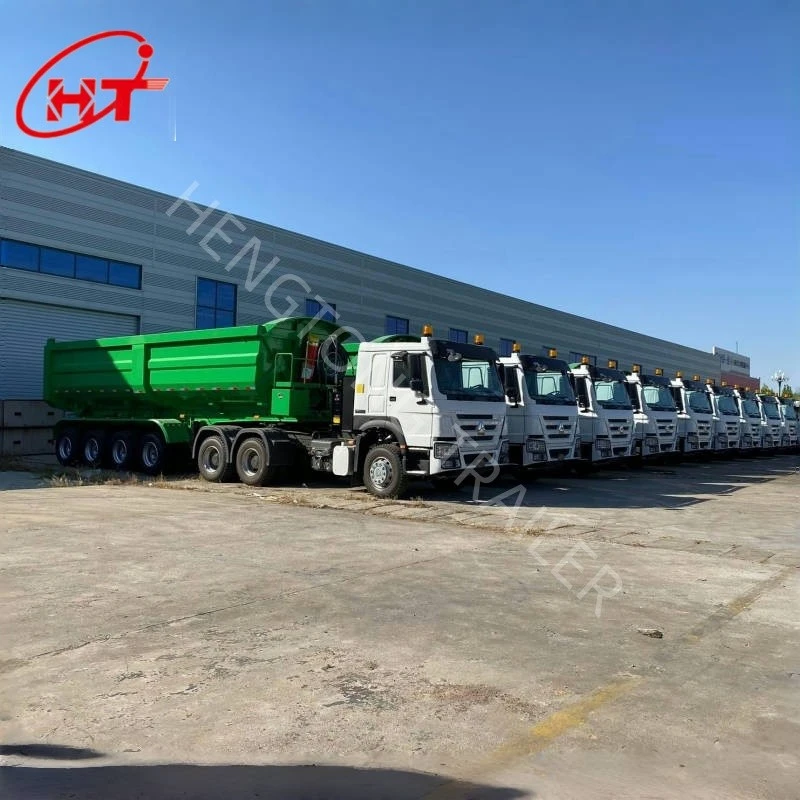
Let me share a couple of real - world scenarios to give you a better idea. I once had a customer who needed a 25cbm Dump Trailer for a small - scale construction project. The tanker was being loaded at a local cement plant with a decent loading system. The operator was quite experienced, and the cement was of good quality. The loading process took about 45 minutes. This was a pretty standard time for a tanker of that size under those conditions.
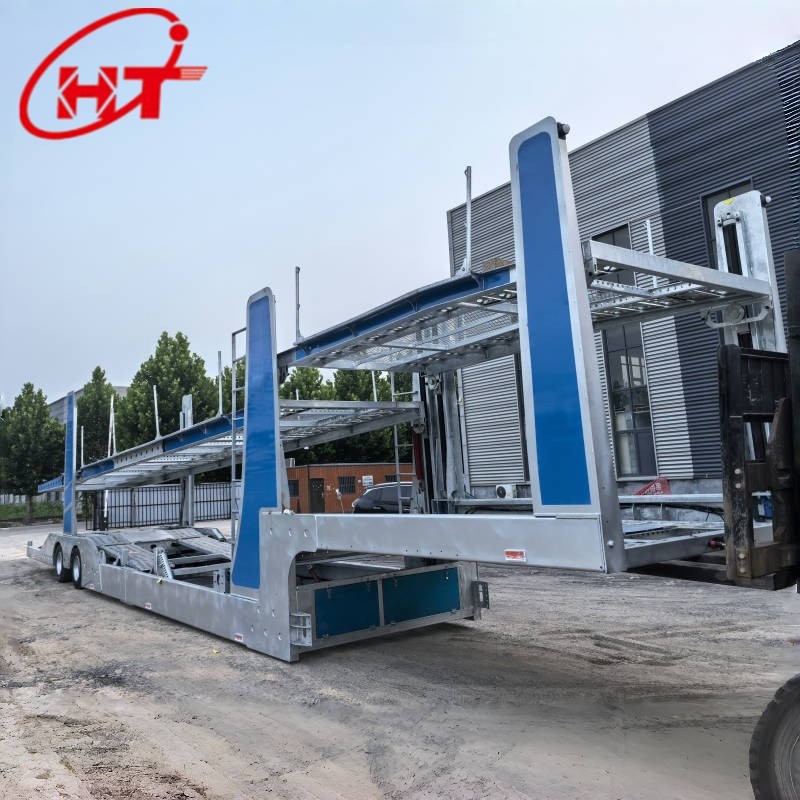
Another time, we supplied an Automobile Transportation Chassis Trailer to a large construction company. They were using a massive 35 - cubic - meter cement tanker at a busy cement plant. The plant was using an older loading system, and the cement had a slightly higher moisture content that day. Due to these factors, the loading time stretched to over an hour and a half.
Tips to Reduce Loading Time
If you're looking to cut down on the loading time of your cement tanker, here are some tips:
- Choose the Right Plant: Look for cement plants with modern and efficient loading equipment. You can do some research or ask other industry folks for recommendations.
- Maintain the Equipment: Regularly service your tanker and the loading equipment. Make sure the hoses, pumps, and valves are in good working condition. A well - maintained system will operate more smoothly and reduce the chances of breakdowns during loading.
- Work with Experienced Operators: Hire or train experienced operators who know the ins and outs of the loading process. They can handle any problems quickly and keep the loading on schedule.
- Optimize Cement Quality: Try to source cement with the right characteristics. Work with your cement suppliers to ensure that the cement has the appropriate particle size and moisture content.
Importance of Loading Time
Why does loading time matter so much? Well, in the construction industry, time is money. Every minute that a tanker spends at the loading dock is a minute that it's not on the road delivering cement to the construction site. Delays in loading can lead to project delays, which can result in increased costs and unhappy clients.
Efficient loading also helps with overall logistics planning. If you know how long it takes to load your tanker, you can better schedule your deliveries, coordinate with other vehicles, and ensure that the construction site has a steady supply of cement.
Our Cement Transport Trailers
As a supplier, we offer a range of Cement Transport Trailers designed for optimal performance. Our trailers are built with high - quality materials and advanced technology to ensure smooth loading and transportation. We understand the importance of loading time, and our trailers are engineered to work well with modern loading systems.
Whether you need a small - capacity tanker for a local project or a large one for a major construction site, we've got you covered. Our team is always ready to help you choose the right trailer for your needs and provide you with all the support you need.
If you're in the market for a cement tanker or have any questions about loading times or our products, don't hesitate to reach out. We're here to assist you in making the best decisions for your business. Whether it's discussing the technical details of our trailers or helping you plan your logistics, we're just a message or a call away. Let's work together to make your cement transportation more efficient and profitable.
References
- Construction Industry Handbook: Cement Transportation, 2022 Edition
- Guide to Efficient Cement Tanker Operations, Cement Logistics Association, 2023


