

As a supplier of used bulldozers, I often get asked about the technical capabilities of these machines, especially the maximum slope on which they can operate safely and efficiently. Understanding this parameter is crucial for anyone planning to use a bulldozer in various terrains, from construction sites to mining operations. In this blog post, I'll delve into the factors that determine the maximum slope a used bulldozer can handle, the implications of operating on steep slopes, and how to choose the right bulldozer for sloped work.
Factors Affecting the Maximum Operating Slope
The maximum slope a used bulldozer can operate on is influenced by several key factors, including the machine's design, weight distribution, traction, and the type of work being performed.
Machine Design
The design of a bulldozer plays a significant role in its slope - handling capabilities. Modern bulldozers are engineered with a low - center of gravity to enhance stability on uneven terrain. The track system is also designed to provide maximum contact with the ground, which is essential for maintaining traction on slopes. For instance, some bulldozers feature wide tracks that distribute the machine's weight more evenly, reducing the risk of slippage.
Weight Distribution
Proper weight distribution is crucial for a bulldozer's stability on slopes. A well - balanced bulldozer will be less likely to tip over, even on relatively steep inclines. The location of the engine, fuel tank, and other heavy components is carefully calculated to ensure that the center of gravity remains within a safe range. Additionally, the blade of the bulldozer can affect weight distribution when it is loaded with material. Operators need to be aware of how the load on the blade impacts the machine's balance on slopes.
Traction
Traction is perhaps the most critical factor when it comes to operating a bulldozer on slopes. The track pattern, tread depth, and the condition of the tracks all contribute to the machine's ability to grip the ground. On soft or loose soil, the bulldozer may require additional traction aids, such as grousers or chains, to prevent slipping. The type of terrain also affects traction; for example, operating on a rocky slope may require different track configurations than working on a muddy surface.
Type of Work
The nature of the work being performed can also influence the maximum slope a bulldozer can handle. For simple grading or pushing operations, the bulldozer may be able to operate on steeper slopes than when it is engaged in more complex tasks, such as digging or lifting heavy loads. When the bulldozer is working on a slope, the forces acting on the machine are different from those on flat ground, and the operator needs to adjust their techniques accordingly.
Typical Maximum Slope Ratings
The maximum slope on which a used bulldozer can operate varies depending on the model and manufacturer. In general, most standard bulldozers are designed to operate safely on slopes of up to 30 degrees. However, some specialized models, such as those used in mining or extreme terrain applications, may be capable of operating on slopes up to 45 degrees or more. It's important to note that these ratings are based on ideal conditions, including good traction, proper weight distribution, and an experienced operator.
Implications of Operating on Steep Slopes
Operating a bulldozer on steep slopes presents several challenges and risks that operators and project managers need to be aware of.
Safety Risks
The most obvious risk of operating on steep slopes is the potential for the bulldozer to tip over. A single misstep or a loss of traction can cause the machine to roll down the slope, endangering the operator and any nearby workers. In addition to the risk of tipping, there is also the danger of the bulldozer sliding, which can lead to collisions with other equipment or structures.
Machine Wear and Tear
Operating on steep slopes can also accelerate the wear and tear on the bulldozer. The tracks, blades, and other components are subjected to increased stress and friction, which can lead to premature failure. The engine and transmission also have to work harder to maintain the machine's speed and stability on slopes, which can result in higher fuel consumption and potential mechanical problems.
Productivity
Working on steep slopes can significantly reduce the productivity of a bulldozer. The operator has to be more cautious, which means that the machine may move more slowly and perform fewer tasks per hour. Additionally, the need to constantly monitor the machine's stability and traction can distract the operator from the primary work, further reducing efficiency.
Choosing the Right Bulldozer for Sloped Work
When selecting a used bulldozer for work on slopes, there are several factors to consider.
Model and Specifications
Look for a bulldozer that is specifically designed for sloped work. Some models come with features such as enhanced stability control systems, improved traction, and stronger frames to withstand the additional stress of operating on slopes. Check the manufacturer's specifications to determine the maximum slope rating of the machine and ensure that it meets your project requirements.
Condition of the Machine
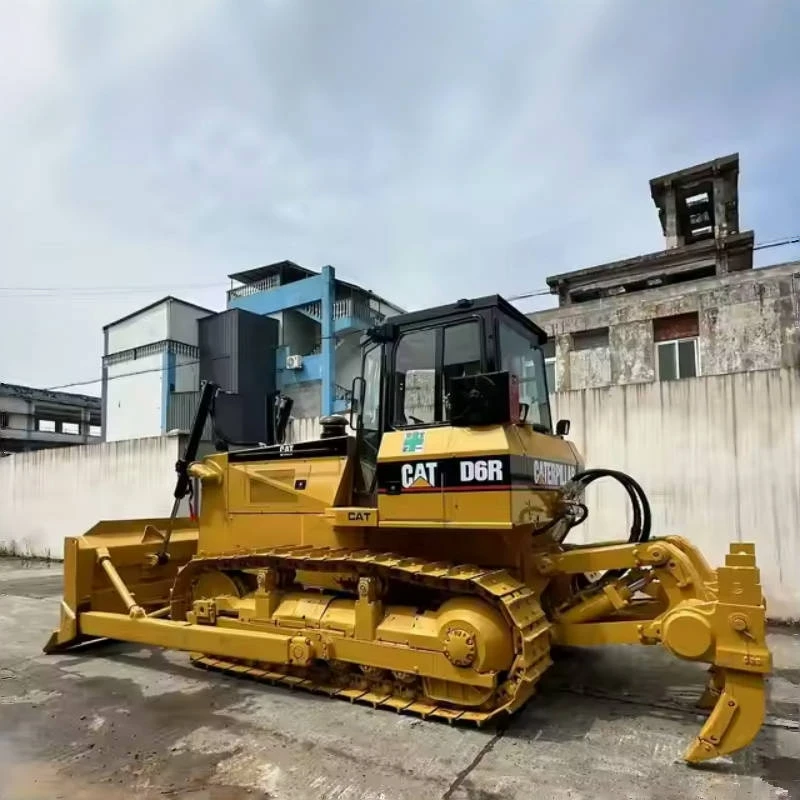
Since you're buying a used bulldozer, it's crucial to inspect the condition of the machine thoroughly. Pay close attention to the tracks, blade, and other components that are likely to be affected by operating on slopes. Look for signs of excessive wear, damage, or corrosion, and make sure that the machine has been well - maintained.

Operator Training
Even the best - designed bulldozer is only as good as its operator. Ensure that your operators are properly trained in operating bulldozers on slopes. Training should include safety procedures, slope - handling techniques, and how to recognize and respond to potential hazards.
Related Construction Machinery
If you're involved in construction projects, you may also be interested in other types of used construction machinery. For example, Second - hand Crane can be a valuable addition to your fleet for lifting heavy materials. Second Hand Construction Machinery offers a wide range of options, including loaders, excavators, and graders. And if you're looking for a reliable excavator, consider a Used Sany Excavator, which is known for its durability and performance.
Conclusion
Understanding the maximum slope a used bulldozer can operate on is essential for ensuring the safety and efficiency of your construction projects. By considering the factors that affect slope - handling capabilities, such as machine design, weight distribution, traction, and the type of work, you can make an informed decision when choosing a bulldozer. Remember to prioritize safety, provide proper operator training, and conduct regular maintenance to minimize the risks associated with operating on steep slopes.
If you're in the market for a used bulldozer or other construction machinery, I encourage you to reach out to discuss your specific needs. Our team of experts is ready to assist you in finding the right equipment for your project and providing you with all the information you need to make a confident purchase.
References
- Construction Equipment Handbook, various editions
- Manufacturer's manuals for different bulldozer models
- Industry safety guidelines and standards for operating heavy machinery on slopes


