

What is the maximum speed limit for an oil tank trailer?
As a seasoned supplier of oil tank trailers, I've encountered numerous inquiries regarding the maximum speed limit for these specialized vehicles. This topic is not only crucial for ensuring safety on the roads but also for optimizing the efficiency of oil transportation. In this blog post, I'll delve into the factors that determine the maximum speed limit for oil tank trailers and offer some insights based on industry standards and best practices.
Factors Influencing the Maximum Speed Limit
The maximum speed limit for an oil tank trailer is influenced by a multitude of factors, each playing a significant role in ensuring the safe and efficient operation of the vehicle. Here are some of the key factors to consider:
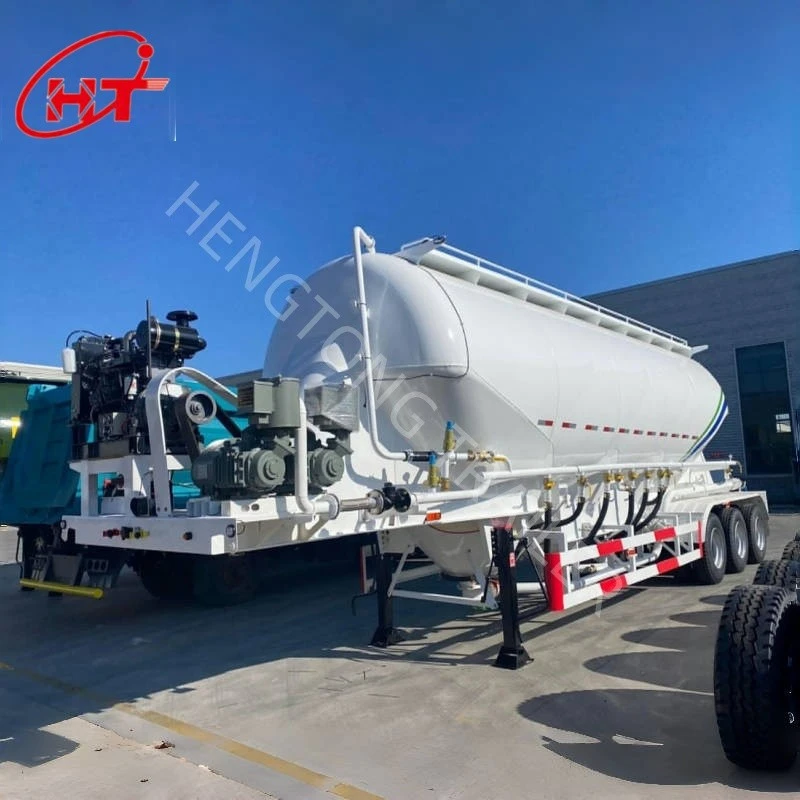

- Vehicle Design and Specifications: The design and specifications of the oil tank trailer, including its size, weight, and construction materials, can have a significant impact on its maximum speed limit. Larger and heavier trailers may require lower speed limits to maintain stability and control, especially when navigating curves or uneven terrain. Additionally, the type of suspension system, braking system, and tires used on the trailer can also affect its performance and safety at high speeds.
- Load Capacity and Distribution: The load capacity and distribution of the oil tank trailer are also important factors to consider when determining the maximum speed limit. Overloading the trailer can increase its weight and center of gravity, making it more difficult to control and increasing the risk of accidents. Similarly, improper load distribution can cause the trailer to sway or fishtail, especially at high speeds. Therefore, it's essential to ensure that the trailer is loaded within its recommended capacity and that the load is evenly distributed to maintain stability and control.
- Road Conditions and Weather: The road conditions and weather can also have a significant impact on the maximum speed limit for an oil tank trailer. Poor road conditions, such as potholes, uneven surfaces, or slippery roads, can increase the risk of accidents and require lower speed limits to ensure safety. Similarly, adverse weather conditions, such as rain, snow, fog, or high winds, can also affect the visibility and traction of the trailer, making it more difficult to control and increasing the risk of accidents. Therefore, it's important to adjust the speed limit based on the road conditions and weather to ensure the safe operation of the vehicle.
- Driver Experience and Training: The experience and training of the driver are also crucial factors to consider when determining the maximum speed limit for an oil tank trailer. A skilled and experienced driver who is familiar with the operation of the trailer and the safety procedures can safely operate the vehicle at higher speeds than a less experienced driver. Additionally, proper training and certification can help drivers develop the skills and knowledge necessary to operate the trailer safely and efficiently, reducing the risk of accidents and ensuring compliance with industry standards and regulations.
Industry Standards and Regulations
In addition to the factors mentioned above, the maximum speed limit for an oil tank trailer is also regulated by industry standards and government regulations. These standards and regulations are designed to ensure the safety of the vehicle, its occupants, and other road users, and to prevent accidents and environmental damage. Here are some of the key industry standards and regulations that apply to oil tank trailers:
- Department of Transportation (DOT) Regulations: The DOT regulates the transportation of hazardous materials, including oil, in the United States. These regulations include requirements for the design, construction, and operation of oil tank trailers, as well as the training and certification of drivers. The DOT also sets maximum speed limits for commercial vehicles, including oil tank trailers, based on the type of vehicle, the load capacity, and the road conditions.
- International Organization for Standardization (ISO) Standards: The ISO develops and publishes international standards for a wide range of industries, including the transportation of hazardous materials. These standards provide guidelines for the design, construction, and operation of oil tank trailers, as well as the safety procedures and training requirements for drivers. The ISO standards are widely recognized and adopted by countries around the world, ensuring the safety and compatibility of oil tank trailers in international trade.
- National Fire Protection Association (NFPA) Codes: The NFPA develops and publishes codes and standards for fire protection and safety in various industries, including the transportation of hazardous materials. These codes and standards provide guidelines for the design, construction, and operation of oil tank trailers, as well as the fire protection and safety procedures for drivers and emergency responders. The NFPA codes are widely recognized and adopted by fire departments and regulatory agencies around the world, ensuring the safety of oil tank trailers and the protection of life and property.
Best Practices for Safe Operation
To ensure the safe and efficient operation of an oil tank trailer, it's important to follow best practices and safety procedures at all times. Here are some of the key best practices to consider:
- Pre-Trip Inspection: Before each trip, it's important to conduct a thorough pre-trip inspection of the oil tank trailer to ensure that it is in good working condition and that all safety features are functioning properly. This includes checking the tires, brakes, lights, suspension, and other components of the trailer, as well as the oil tank and its fittings.
- Load Securement: It's essential to ensure that the oil tank trailer is loaded within its recommended capacity and that the load is evenly distributed and securely fastened to prevent shifting or spilling during transit. This includes using appropriate tie-downs, straps, and other securing devices to hold the load in place.
- Speed Management: As mentioned earlier, the maximum speed limit for an oil tank trailer is influenced by a variety of factors, including the vehicle design, load capacity, road conditions, and weather. Therefore, it's important to adjust the speed limit based on these factors to ensure the safe operation of the vehicle. In general, it's recommended to drive at a moderate speed and to avoid sudden acceleration or braking, especially when carrying a full load.
- Driver Training and Certification: Proper training and certification are essential for drivers who operate oil tank trailers. This includes training on the operation of the trailer, the safety procedures and regulations, and the emergency response procedures in case of an accident or spill. Drivers should also be certified by a recognized training program and should have a valid commercial driver's license (CDL) with the appropriate endorsements.
- Emergency Preparedness: It's important to be prepared for emergencies when operating an oil tank trailer. This includes having a comprehensive emergency response plan in place, as well as the necessary equipment and supplies to respond to an accident or spill. Drivers should also be trained on the emergency response procedures and should know how to contact the appropriate authorities in case of an emergency.
Conclusion
In conclusion, the maximum speed limit for an oil tank trailer is influenced by a variety of factors, including the vehicle design, load capacity, road conditions, and weather. It's important to consider these factors when determining the maximum speed limit and to follow best practices and safety procedures at all times to ensure the safe and efficient operation of the vehicle. By adhering to industry standards and regulations, providing proper training and certification for drivers, and being prepared for emergencies, we can help prevent accidents and ensure the safety of our employees, customers, and the environment.
If you're in the market for an oil tank trailer or other types of trailers, such as Cement Transport Semi Trailer or Cement Trailer, we invite you to explore our extensive range of products. We also offer the 40000L Tanker Trailer, which is designed to meet the specific needs of our customers. Our trailers are built to the highest standards of quality and safety, and we are committed to providing our customers with the best possible service and support. If you have any questions or would like to discuss your trailer requirements, please don't hesitate to contact us. We look forward to hearing from you and helping you find the perfect trailer for your needs.
References
- Federal Motor Carrier Safety Administration. (n.d.). Commercial Motor Vehicle Safety Regulations. Retrieved from [Website URL]
- International Organization for Standardization. (n.d.). ISO Standards for Transportation of Hazardous Materials. Retrieved from [Website URL]
- National Fire Protection Association. (n.d.). NFPA Codes for Fire Protection and Safety. Retrieved from [Website URL]


