

What is the noise level of a used digger?
As a supplier of used diggers, I often receive inquiries from customers about various aspects of these machines, and one question that comes up quite frequently is about the noise level of a used digger. Understanding the noise level is crucial for several reasons, including compliance with local regulations, worker safety, and the impact on the surrounding environment.
First, let's talk about what causes the noise in a digger. A digger, also known as an excavator, is a complex piece of machinery with multiple moving parts. The main sources of noise include the engine, hydraulic systems, and the interaction between the digging bucket and the ground. The engine is typically the loudest component, especially when it is working under heavy load. The combustion process inside the engine cylinders, the movement of pistons, and the operation of the exhaust system all contribute to the overall noise output.
Hydraulic systems also play a significant role in generating noise. These systems use high - pressure fluid to power the various functions of the digger, such as the movement of the boom, arm, and bucket. The flow of hydraulic fluid through valves, hoses, and cylinders can create a significant amount of noise, especially if there are any leaks or malfunctions in the system.
The interaction between the digging bucket and the ground is another source of noise. When the bucket breaks through the soil, rocks, or other materials, it creates a loud impact noise. The type of material being excavated can also affect the noise level. For example, digging through hard rock will generally produce more noise than digging through soft soil.
Now, let's discuss the typical noise levels of used diggers. The noise level of a digger is usually measured in decibels (dB). A quiet environment, such as a library, typically has a noise level of around 30 - 40 dB. In contrast, a busy city street can have a noise level of around 70 - 80 dB. A new digger in normal operation can produce noise levels ranging from 80 dB to 100 dB or more, depending on the size and type of the machine.
However, when it comes to used diggers, the noise level can vary significantly. Older machines may have worn - out components, such as engine parts, hydraulic seals, and mufflers, which can increase the noise output. For example, a worn - out muffler may not be able to effectively reduce the engine noise, resulting in a louder machine. Additionally, if the machine has not been properly maintained, there may be loose or vibrating parts that can contribute to the noise.
On average, a used digger may have a noise level that is 5 - 10 dB higher than a new one. So, a used digger could potentially produce noise levels ranging from 85 dB to 110 dB. It's important to note that prolonged exposure to noise levels above 85 dB can cause hearing damage, so it's crucial for operators to wear appropriate hearing protection.
When considering the purchase of a used digger, it's essential to take the noise level into account. If the digger will be used in an area with strict noise regulations, such as a residential neighborhood or a hospital zone, a machine with a lower noise level may be required. Some local authorities have specific noise limits for construction equipment, and non - compliance can result in fines or other penalties.
As a used digger supplier, we understand the importance of noise levels for our customers. That's why we thoroughly inspect and test each of our used diggers before selling them. We check the engine, hydraulic systems, and all other components to ensure that they are in good working condition. If we find any parts that are likely to increase the noise level, we either repair or replace them.
In addition to our inspection process, we also offer a range of options to reduce the noise level of our used diggers. For example, we can install aftermarket mufflers or noise - reducing covers to help lower the noise output. We also provide our customers with information on proper maintenance and operation techniques to minimize the noise level.
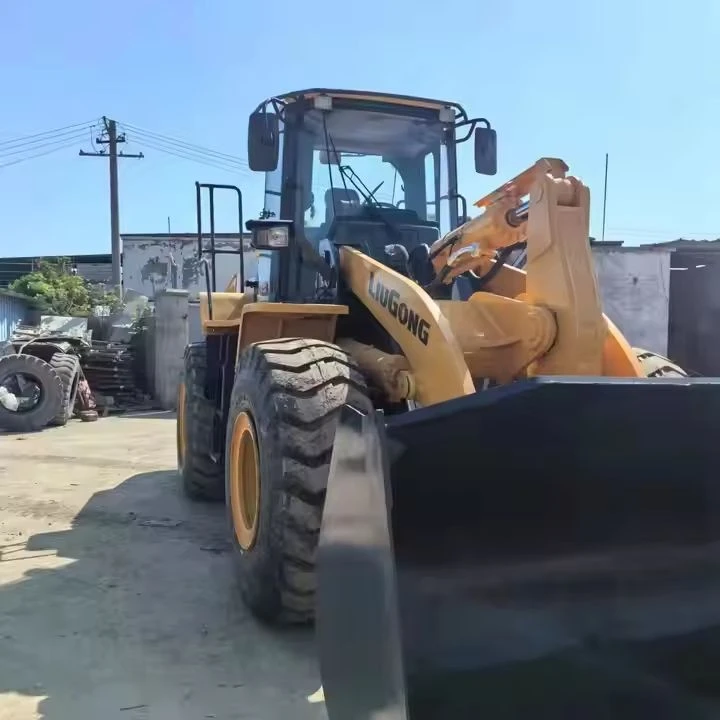
If you're in the market for a used digger, it's also worth considering other types of construction machinery that may have lower noise levels. For example, a Used Shovel Loader may be a quieter alternative for certain applications. Shovel loaders are typically used for tasks such as loading and transporting materials, and they generally have a lower noise output compared to diggers.
Another option is a Second Hand Refurbished Excavator. These machines have been restored to a like - new condition, which means they are likely to have a lower noise level compared to other used diggers. Refurbished excavators often come with new or rebuilt components, including engines, hydraulic systems, and mufflers, which can significantly reduce the noise output.
In conclusion, the noise level of a used digger is an important factor to consider when making a purchase. It can be affected by the age, condition, and maintenance of the machine. As a used digger supplier, we are committed to providing our customers with high - quality machines that meet their noise requirements. Whether you need a digger for a small - scale construction project or a large - scale excavation job, we have a wide selection of Used Digger to choose from.
If you're interested in learning more about our used diggers or have any questions about noise levels, please don't hesitate to contact us. We're here to help you find the right machine for your needs.

References
- "Construction Equipment Noise: Sources, Effects, and Control", Construction Industry Institute
- "Noise Measurement and Control in the Workplace", Occupational Safety and Health Administration (OSHA)


