

When it comes to the construction and heavy - duty industries, used loaders have long been a staple due to their versatility and cost - effectiveness. As a used loader supplier, I often get asked about the operating weight of these machines. Understanding the operating weight of a used loader is crucial for various reasons, from transportation and site suitability to determining the loader's performance capabilities.
What Does Operating Weight Mean?
The operating weight of a used loader refers to the total weight of the machine when it is fully equipped and ready for operation. This includes the weight of the loader itself, the fuel in the tank, the operator, and any standard attachments. It's a key specification that gives an accurate picture of how heavy the loader will be during normal use.
Let's break down the components that contribute to the operating weight. First, there's the base weight of the loader. This is the weight of the machine without any fuel, operator, or attachments. It includes the chassis, engine, transmission, and other essential components. The fuel weight can vary depending on the size of the fuel tank. A larger loader typically has a bigger fuel tank, which means more fuel and an additional weight to account for.
The weight of the operator is also a factor, although it's usually a relatively small portion of the total operating weight. On average, an operator might weigh around 70 - 100 kilograms, but this can vary. And finally, the attachments play a significant role. Different attachments, such as buckets, forks, or grapples, have different weights, and they can add a substantial amount to the overall operating weight of the loader.
Why is Operating Weight Important?
Transportation
One of the primary reasons why operating weight is important is transportation. If you're moving a used loader from one site to another, you need to ensure that the transport vehicle can handle the weight. Trucks and trailers have weight limits, and exceeding these limits can lead to safety hazards, legal issues, and potential damage to the transport equipment. For example, if you're using a flatbed trailer to move a used loader, you need to know its operating weight to select the right trailer with an appropriate weight - carrying capacity.
Site Suitability
The operating weight of a used loader also affects its suitability for different job sites. Some sites, such as soft or uneven ground, may not be able to support a heavy loader. If the ground cannot bear the weight of the loader, it can lead to sinking, which can damage the machine and disrupt the work. On the other hand, in a more stable and solid site, a heavier loader might be more appropriate as it can handle larger loads and more demanding tasks.
Performance
The operating weight can impact the performance of the loader. A heavier loader generally has more stability, which is beneficial when lifting and moving heavy loads. It can also provide more traction, allowing the loader to operate more efficiently on various terrains. However, a very heavy loader might be less maneuverable in tight spaces. So, finding the right balance between weight and performance is essential.
Operating Weights of Different Types of Used Loaders
[Used Wheel Loader](/construction - machinery/used - wheel - loader.html)
Used wheel loaders come in a wide range of sizes, and their operating weights can vary significantly. Smaller wheel loaders, often used for light - duty tasks such as landscaping or small - scale construction, can have an operating weight of around 3,000 - 5,000 kilograms. These loaders are more maneuverable and suitable for confined spaces.
Medium - sized wheel loaders, which are commonly used in general construction and material handling, typically have an operating weight between 10,000 - 20,000 kilograms. They offer a good balance between performance and maneuverability.
Large wheel loaders, designed for heavy - duty mining and large - scale construction projects, can have an operating weight of over 30,000 kilograms. These loaders are built to handle massive loads and are very powerful.
[Used Shovel Loader](/construction - machinery/used - shovel - loader.html)
Used shovel loaders, also known as front - end loaders, have their own range of operating weights. Smaller shovel loaders used in agricultural or light - industrial applications may have an operating weight of around 2,000 - 4,000 kilograms. They are compact and easy to operate in smaller areas.
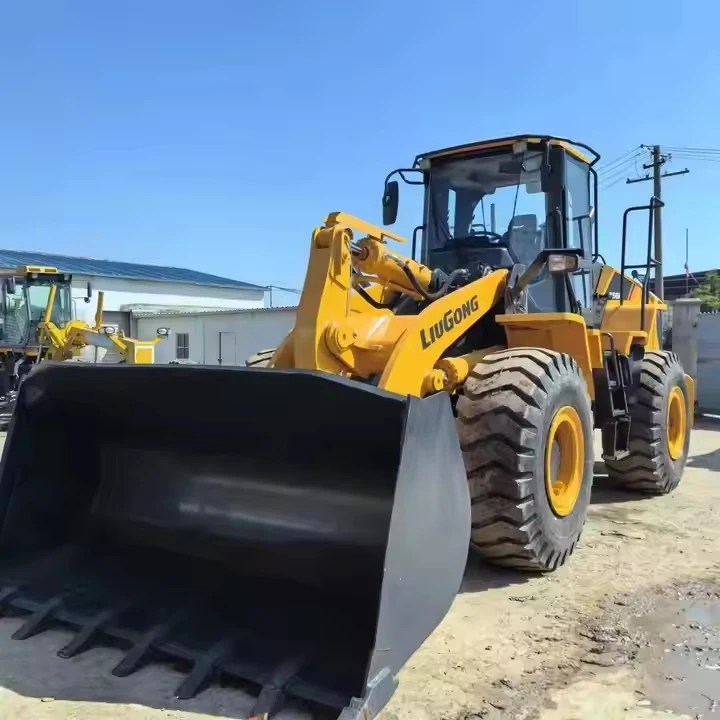
Medium - sized shovel loaders, which are more common in construction sites, usually have an operating weight between 6,000 - 12,000 kilograms. They can handle a variety of tasks, from loading trucks to moving materials around the site.
Larger shovel loaders, used in heavy construction and mining, can have an operating weight of 15,000 kilograms or more. These machines are designed to lift and move large volumes of material efficiently.
Factors Affecting the Operating Weight of a Used Loader
Age and Wear
The age of a used loader can affect its operating weight. Over time, components may wear out, and parts may be replaced with different - weight alternatives. For example, if an old engine is replaced with a newer, lighter - weight model, it can reduce the overall operating weight of the loader. On the other hand, if additional wear - related repairs involve adding heavier parts, the weight may increase.
Customization and Modifications
Many used loaders are customized or modified to suit specific job requirements. Adding extra features such as hydraulic systems for special attachments, additional lighting, or protective guards can increase the operating weight. Conversely, removing non - essential components can reduce the weight.
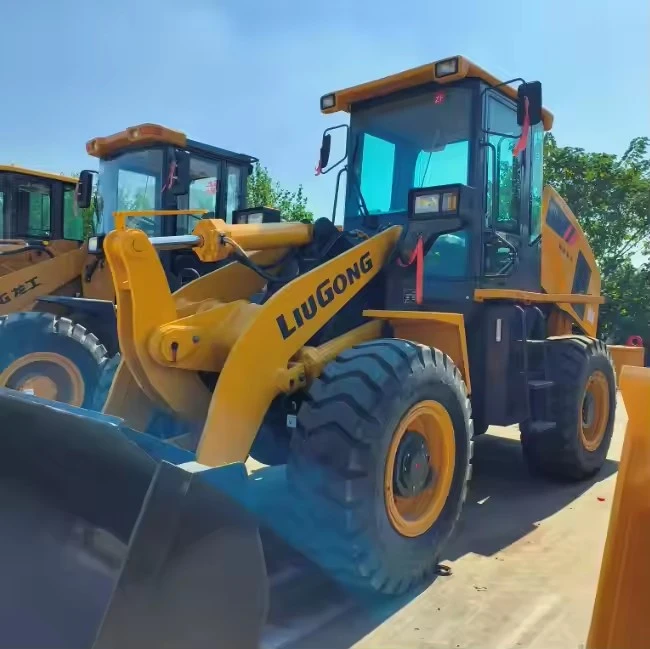
How to Determine the Operating Weight of a Used Loader
Manufacturer's Specifications
The first and most reliable source of information about the operating weight of a used loader is the manufacturer's specifications. These documents provide detailed information about the machine, including its base weight, weight of standard attachments, and the expected total operating weight. You can usually find these specifications in the loader's manual or on the manufacturer's website.
Weighing the Loader
If the manufacturer's specifications are not available or if you suspect that the loader has been modified, you can weigh the loader. This can be done using a large - capacity scale, such as a truck scale. Make sure the loader is fully equipped with fuel, an operator (or a weight equivalent to an operator), and all the standard attachments before weighing it.
Conclusion
In conclusion, understanding the operating weight of a used loader is essential for anyone involved in the construction and heavy - duty industries. As a used loader supplier, I always emphasize the importance of this specification to my customers. Whether it's for transportation, site suitability, or performance, the operating weight plays a crucial role in the overall functionality of the loader.

If you're in the market for a [Used Loader](/construction - machinery/used - loader.html), I encourage you to consider the operating weight carefully. It can help you make an informed decision and ensure that the loader you choose meets your specific needs. If you have any questions or would like to discuss the operating weights of our used loaders further, don't hesitate to contact me for a detailed discussion and potential purchase negotiation.
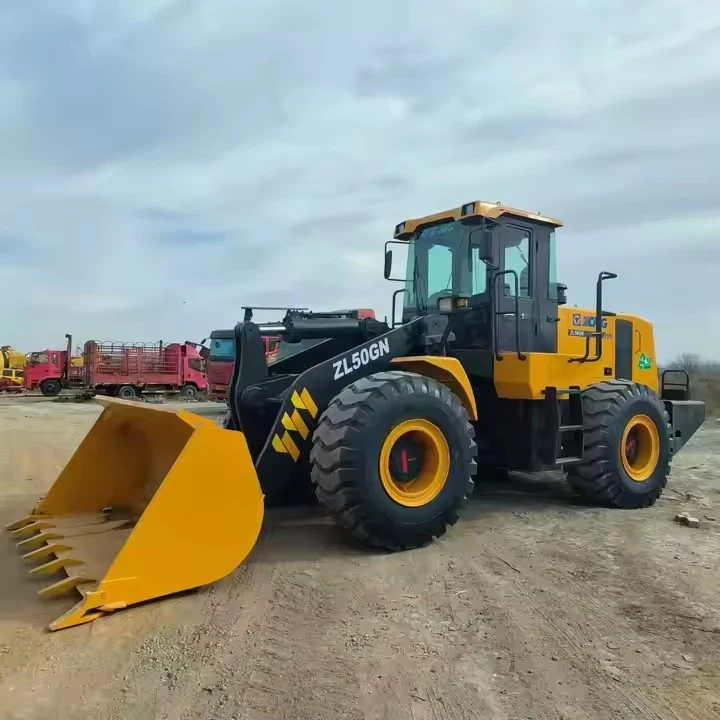
References
- Construction Equipment Handbook: A comprehensive guide to various construction machinery, including loaders, published by a leading industry publisher.
- Manufacturer's Manuals: Manuals provided by loader manufacturers, which contain detailed technical specifications, including operating weights.


