

As a supplier of Used Sany Excavators, I've received numerous inquiries about the steering system types of these machines. Understanding the steering system is crucial for anyone considering purchasing a used Sany excavator, as it directly impacts the machine's maneuverability, efficiency, and overall performance on the job site. In this blog post, I'll delve into the different steering system types found in used Sany excavators, explaining their features, advantages, and applications.
Hydrostatic Steering System
One of the most common steering system types in used Sany excavators is the hydrostatic steering system. This system uses hydraulic fluid to transfer power from the engine to the steering mechanism, allowing for smooth and precise control of the excavator's movement. In a hydrostatic steering system, the operator uses a steering wheel or joystick to control the flow of hydraulic fluid, which in turn moves the steering cylinders and turns the excavator's tracks or wheels.
Features and Advantages
- Smooth and Precise Control: Hydrostatic steering systems offer smooth and precise control, allowing operators to make accurate turns and maneuvers even in tight spaces. This is especially important when working in confined job sites or when performing delicate tasks.
- High Torque at Low Speeds: Hydrostatic steering systems provide high torque at low speeds, making it easier to turn the excavator's tracks or wheels when starting from a standstill or when operating at slow speeds. This is particularly useful when working in muddy or uneven terrain.
- Reduced Operator Fatigue: The smooth and effortless operation of hydrostatic steering systems reduces operator fatigue, allowing operators to work for longer periods without experiencing excessive strain or discomfort. This can improve productivity and safety on the job site.
- Easy Maintenance: Hydrostatic steering systems are relatively easy to maintain, as they have fewer moving parts compared to other steering system types. This can reduce maintenance costs and downtime, ensuring that the excavator is always ready for work.
Applications
Hydrostatic steering systems are commonly used in small to medium-sized Sany excavators, as they are well-suited for a variety of applications, including:
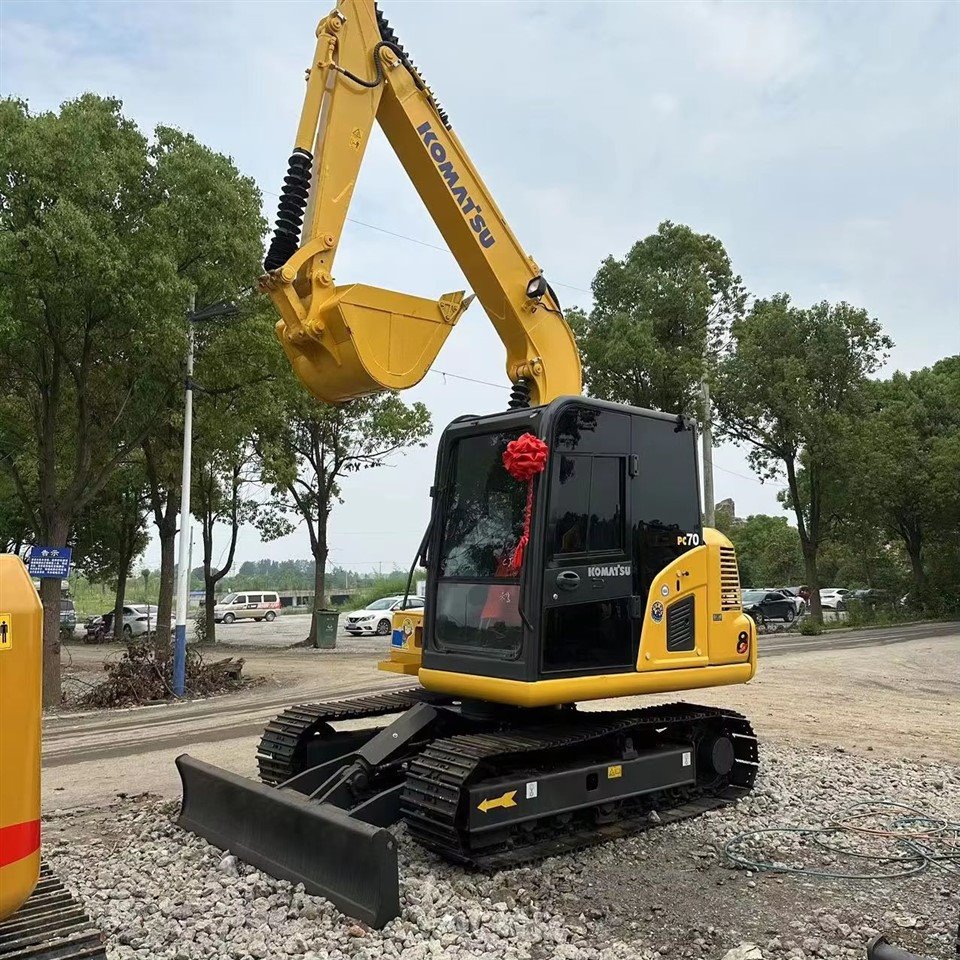

- General Construction: Hydrostatic steering systems are ideal for general construction tasks, such as digging, grading, and trenching. Their smooth and precise control allows operators to work efficiently and accurately, even in challenging conditions.
- Landscaping: Hydrostatic steering systems are also popular in landscaping applications, as they allow operators to make precise turns and maneuvers when working around trees, shrubs, and other obstacles. This can help to minimize damage to the surrounding landscape and ensure a high-quality finish.
- Demolition: Hydrostatic steering systems are well-suited for demolition work, as they provide high torque at low speeds, making it easier to break up concrete and other materials. Their smooth and precise control also allows operators to work safely and efficiently in tight spaces.
Mechanical Steering System
Another steering system type found in used Sany excavators is the mechanical steering system. This system uses a series of gears, shafts, and linkages to transfer power from the steering wheel to the steering mechanism, allowing the operator to control the movement of the excavator's tracks or wheels. In a mechanical steering system, the operator turns the steering wheel, which rotates a steering shaft and engages a series of gears and linkages to move the steering cylinders and turn the tracks or wheels.
Features and Advantages
- Simple and Reliable: Mechanical steering systems are simple and reliable, as they have fewer components compared to other steering system types. This can reduce the risk of mechanical failure and ensure that the excavator is always operational.
- Low Cost: Mechanical steering systems are generally less expensive than hydrostatic steering systems, making them a cost-effective option for budget-conscious buyers.
- High Durability: Mechanical steering systems are designed to withstand heavy use and harsh operating conditions, making them a durable and long-lasting option for Sany excavators.
Disadvantages
- Limited Maneuverability: Mechanical steering systems are less maneuverable than hydrostatic steering systems, as they require more effort to turn the steering wheel, especially at low speeds. This can make it more difficult to operate the excavator in tight spaces or when performing precise maneuvers.
- Increased Operator Fatigue: The manual operation of mechanical steering systems can cause increased operator fatigue, especially when working for long periods or in challenging conditions. This can reduce productivity and safety on the job site.
- Higher Maintenance Requirements: Mechanical steering systems require more maintenance than hydrostatic steering systems, as they have more moving parts that can wear out over time. This can increase maintenance costs and downtime, reducing the overall efficiency of the excavator.
Applications
Mechanical steering systems are commonly used in large Sany excavators, as they are well-suited for heavy-duty applications, such as:
- Mining: Mechanical steering systems are ideal for mining applications, as they provide high durability and reliability in harsh operating conditions. Their simple design also makes them easy to maintain and repair, reducing downtime and ensuring that the excavator is always operational.
- Quarrying: Mechanical steering systems are also popular in quarrying applications, as they allow operators to handle large loads and perform heavy-duty tasks with ease. Their high torque at low speeds makes it easier to move the excavator's tracks or wheels when working on rough or uneven terrain.
- Large-Scale Construction: Mechanical steering systems are well-suited for large-scale construction projects, as they can handle the heavy workload and provide the necessary power and control to complete the job efficiently. Their durability and reliability also make them a popular choice for contractors who need a machine that can withstand the rigors of daily use.
Electro-Hydraulic Steering System
In addition to hydrostatic and mechanical steering systems, some used Sany excavators are equipped with electro-hydraulic steering systems. This system combines the advantages of hydraulic and electronic control technology to provide a high level of precision and efficiency. In an electro-hydraulic steering system, the operator uses a steering wheel or joystick to send electronic signals to a control unit, which then regulates the flow of hydraulic fluid to the steering cylinders.
Features and Advantages
- Precise and Responsive Control: Electro-hydraulic steering systems offer precise and responsive control, allowing operators to make accurate turns and maneuvers with minimal effort. The electronic control unit can adjust the steering response based on the excavator's speed and operating conditions, ensuring optimal performance at all times.
- Customizable Steering Settings: Electro-hydraulic steering systems often allow operators to customize the steering settings to suit their preferences and the specific requirements of the job. This can include adjusting the steering sensitivity, speed, and response, providing a more personalized and comfortable operating experience.
- Integration with Other Systems: Electro-hydraulic steering systems can be integrated with other systems on the excavator, such as the engine management system and the hydraulic control system. This allows for better coordination and optimization of the machine's performance, improving efficiency and reducing fuel consumption.
- Diagnostic and Monitoring Capabilities: Electro-hydraulic steering systems typically have diagnostic and monitoring capabilities, which can help to detect and troubleshoot potential issues before they become major problems. This can reduce maintenance costs and downtime, ensuring that the excavator is always in good working condition.
Applications
Electro-hydraulic steering systems are commonly used in high-end Sany excavators, as they are well-suited for applications that require a high level of precision and control, such as:
- Precision Excavation: Electro-hydraulic steering systems are ideal for precision excavation tasks, such as digging foundations, installing pipelines, and performing detailed grading work. Their precise and responsive control allows operators to work with accuracy and efficiency, ensuring that the job is completed to the required specifications.
- Urban Construction: Electro-hydraulic steering systems are also popular in urban construction applications, where space is limited and maneuverability is crucial. Their customizable steering settings and precise control make it easier to operate the excavator in tight spaces and around obstacles, reducing the risk of damage to nearby structures and utilities.
- Specialized Applications: Electro-hydraulic steering systems are well-suited for specialized applications, such as underwater excavation, forestry, and material handling. Their integration with other systems and diagnostic capabilities make them a versatile and reliable choice for a variety of challenging tasks.
Conclusion
In conclusion, the steering system type of used Sany excavators can have a significant impact on the machine's performance, maneuverability, and overall suitability for different applications. Hydrostatic steering systems offer smooth and precise control, high torque at low speeds, and reduced operator fatigue, making them a popular choice for small to medium-sized excavators. Mechanical steering systems are simple, reliable, and cost-effective, making them well-suited for large excavators used in heavy-duty applications. Electro-hydraulic steering systems provide precise and responsive control, customizable settings, and integration with other systems, making them ideal for high-end excavators used in precision and specialized applications.
If you're in the market for a used Sany excavator, it's important to consider the steering system type and how it will meet your specific needs and requirements. As a [Your Company Name] supplier of Used Sany Excavator, I can provide you with detailed information about the steering system types available in our inventory and help you choose the right excavator for your project. Whether you're looking for a compact excavator for landscaping or a large excavator for mining, I'm here to assist you every step of the way.
In addition to used Sany excavators, we also offer a wide range of other construction machinery, including Second-hand Crane and Used Digger. Our experienced team can provide you with expert advice and support to ensure that you make the right choice for your business.
If you're interested in learning more about our used Sany excavators or other construction machinery, please don't hesitate to contact us. We look forward to hearing from you and helping you find the perfect machine for your needs.
References
- Sany Group Co., Ltd. (20XX). Sany Excavator Product Manual.
- Construction Equipment Guide. (20XX). Guide to Steering Systems in Excavators.
- Machinery Lubrication. (20XX). Hydraulic Steering Systems: How They Work and Why They're Important.


