

Hey there! As a used wheel loader supplier, I often get asked about how these machines perform on wet surfaces. One of the key factors that come into play here is traction. So, let's dig into what the traction of a used wheel loader on wet surfaces actually means and why it's super important.
First off, traction is all about the grip between the wheels of the wheel loader and the ground. On wet surfaces, things get a bit tricky. Water acts as a lubricant, reducing the friction between the tires and the ground. This means that the wheel loader has a harder time getting a good grip, which can lead to all sorts of problems.
When a wheel loader loses traction on a wet surface, it might start to slip. This is not only dangerous for the operator but can also cause damage to the machine and the surrounding area. For example, if the loader is trying to lift a heavy load and starts to slip, it could tip over, putting everyone in the vicinity at risk.
So, what affects the traction of a used wheel loader on wet surfaces? Well, the type of tires plays a huge role. Tires with deep treads are generally better at channeling water away from the contact area between the tire and the ground. This helps to maintain friction and improve traction. When you're looking at used wheel loaders, make sure to check the condition of the tires. If the treads are worn down, it's going to be much harder for the loader to get a good grip on wet surfaces.
Another factor is the weight distribution of the wheel loader. A well - balanced loader will distribute its weight evenly across all the wheels, which can help to improve traction. If the weight is concentrated on one side or the front/back too much, it can cause the loader to lose stability and traction more easily on wet ground.
The speed at which the wheel loader is operating also matters. Driving too fast on a wet surface is a recipe for disaster. The faster the loader is going, the less time the tires have to channel water away and maintain contact with the ground. It's always a good idea to slow down when operating a wheel loader on wet surfaces to give the tires a better chance of maintaining traction.
Now, let's talk about how this all relates to my business as a used wheel loader supplier. When I'm sourcing used wheel loaders, I pay close attention to the factors that affect traction. I make sure to inspect the tires thoroughly and check the overall condition of the machine to ensure that it will perform well on wet surfaces.
I also understand that different customers have different needs. Some might be using the wheel loader in an environment where wet surfaces are common, like a construction site near a river or in a rainy climate. For these customers, I can recommend wheel loaders with the right type of tires and features to improve traction.
If you're in the market for a used wheel loader and you're concerned about its performance on wet surfaces, don't hesitate to reach out. I've got a wide range of used wheel loaders in stock, and I can help you find the one that's perfect for your needs.
And if you're also interested in other types of construction machinery, we've got some great options. Check out our Used Digger, Used Sany Excavator, and Second Hand Refurbished Excavator pages for more details.
When it comes to purchasing a used wheel loader, it's not just about getting a machine that's cheap. You want a machine that's reliable and can perform well in different conditions, especially on wet surfaces. That's where I come in. I've got the knowledge and experience to help you make the right choice.
I can also provide you with some tips on how to maintain the traction of your wheel loader over time. For example, regular tire rotations can help to ensure that the tread wears evenly, which will improve traction. And keeping the loader clean, especially the undercarriage, can prevent dirt and debris from building up and affecting the tires' performance.
In addition to the factors I've already mentioned, the surface texture of the ground also impacts traction. A rough surface will generally provide more grip than a smooth one, even when wet. But you can't always control the surface you're working on. That's why it's so important to have a wheel loader that can adapt to different conditions.
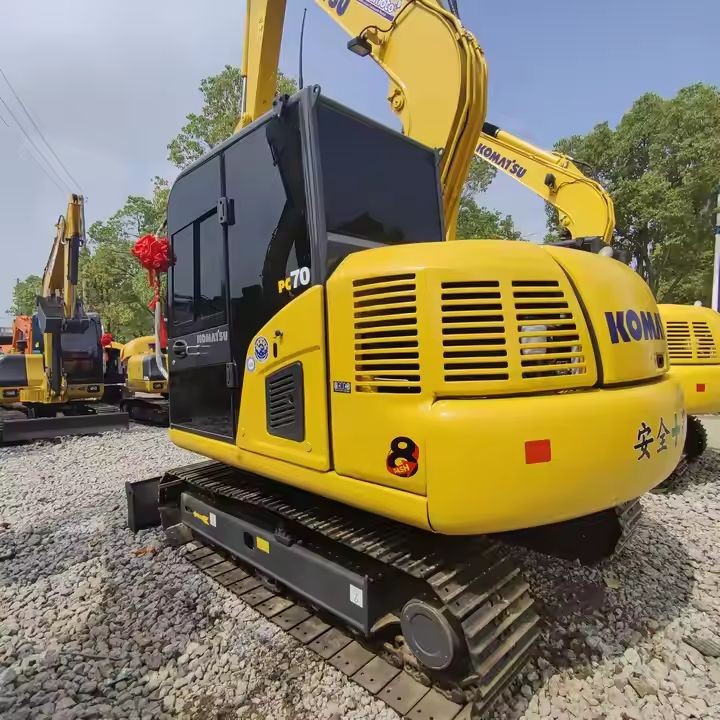

Some used wheel loaders come with advanced traction control systems. These systems can automatically adjust the power sent to each wheel based on the amount of traction available. This can be a real game - changer when operating on wet surfaces, as it helps to prevent wheel spin and improve overall stability.
When you're considering a used wheel loader, ask me about whether it has a traction control system. It might cost a bit more, but it could save you a lot of headaches in the long run, especially if you're going to be working in wet conditions frequently.
I know that buying a used wheel loader is a big investment. That's why I'm here to answer all your questions and provide you with all the information you need to make an informed decision. Whether you're a small contractor or a large construction company, I've got the right used wheel loader for you.
So, if you're ready to take the next step and find a used wheel loader that can handle wet surfaces with ease, get in touch. Let's start a conversation about your requirements, and I'll do my best to find the perfect machine for you.
References
- Construction Equipment Handbook: Covers general information about wheel loaders and their performance on different surfaces.
- Tire Manufacturer Guides: Provide details on tire performance and tread design for wet conditions.


