

As a seasoned supplier of cement trailers, I've witnessed firsthand the importance of these vehicles in the construction and building materials industry. Cement trailers are specialized transport units designed to carry bulk cement efficiently and safely from production facilities to construction sites. In this blog, I'll delve into the working principle of a cement trailer, exploring its key components and how they interact to ensure smooth operations.
Key Components of a Cement Trailer
Before we dive into the working principle, let's first understand the main components of a cement trailer. These components work in harmony to facilitate the transportation and unloading of cement.
Tank
The tank is the most prominent part of a cement trailer. It is a large, cylindrical container made of high - strength steel. The tank's capacity can vary significantly, ranging from a few cubic meters to over 50 cubic meters, depending on the design and intended use of the trailer. The tank is designed to withstand high internal pressures during the unloading process and is often coated with anti - corrosion materials to protect it from the abrasive nature of cement.
Pneumatic System
The pneumatic system is crucial for the operation of a cement trailer. It consists of an air compressor, air lines, and valves. The air compressor is typically powered by the tractor unit's engine or an independent power source. The compressor generates compressed air, which is then used to fluidize the cement inside the tank and facilitate its unloading.
Discharge System
The discharge system includes pipes, hoses, and valves that are used to transfer the cement from the tank to the destination. It is designed to ensure a controlled and efficient flow of cement. The discharge pipes are usually made of durable materials that can withstand the abrasive nature of cement, such as stainless steel or high - density polyethylene.
Suspension and Axles
The suspension and axles of a cement trailer play a vital role in ensuring a smooth ride and proper weight distribution. The trailer's suspension system is designed to absorb shocks and vibrations, protecting the tank and its contents during transportation. The number of axles can vary, with most trailers having two to four axles, depending on the trailer's size and load capacity.
Working Principle of a Cement Trailer
Loading Process
The loading process of a cement trailer begins at the cement production facility. The tank of the trailer is connected to a loading chute, which is usually part of the cement silo. Cement is then gravity - fed into the tank through the chute. During loading, it's important to ensure that the tank is not overfilled, as this can lead to problems during transportation and unloading. Some modern cement trailers are equipped with level sensors that can detect the amount of cement in the tank and prevent overfilling.
Transportation
Once the tank is filled, the trailer is ready for transportation. The trailer is connected to a tractor unit, which provides the power to move the vehicle. During transportation, the suspension and axles work together to ensure a smooth ride. The tank is designed to keep the cement in a stable state, preventing it from shifting or compacting.
Unloading Process
The unloading process is where the pneumatic system of the cement trailer comes into play. When the trailer reaches the construction site, the discharge pipes are connected to the destination, such as a cement silo at the site. The air compressor is then activated, and compressed air is introduced into the tank through a series of air nozzles located at the bottom of the tank.

The compressed air fluidizes the cement, turning it into a semi - fluid state. This fluidization process reduces the friction between the cement particles, allowing them to flow more easily. The fluidized cement is then forced through the discharge pipes and into the destination by the pressure of the compressed air.
The rate of unloading can be controlled by adjusting the flow of compressed air and the opening of the discharge valves. The operator can monitor the unloading process using pressure gauges and flow meters to ensure that the cement is being unloaded at the desired rate.
Advantages of Using a Cement Trailer
Cement trailers offer several advantages over other methods of cement transportation. Firstly, they can carry large quantities of cement in a single trip, reducing the number of trips required and increasing efficiency. Secondly, the pneumatic unloading system allows for a clean and efficient transfer of cement, minimizing dust emissions and waste. Additionally, cement trailers are highly maneuverable, making them suitable for use in various construction sites, including those with limited access.
Related Trailer Products
If you're interested in other types of trailers, we also offer a range of high - quality products. For container transportation, our Container Transport Trailer provides a reliable and efficient solution. It is designed to carry standard shipping containers of various sizes, ensuring safe and secure transportation.
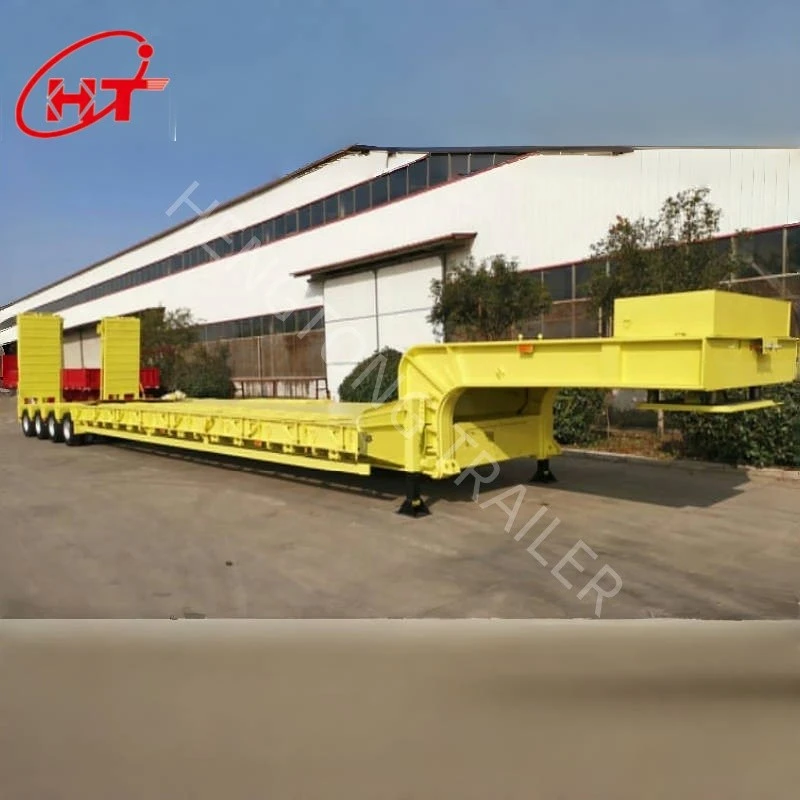
Our 3 Axle Low Bed Trailer is ideal for transporting heavy and oversized loads. With its low - bed design, it offers a lower center of gravity, enhancing stability during transportation.
For those in the automotive industry, our Double Decker Car Transport Vehicle is a great option. It can carry multiple cars on two levels, maximizing the transportation capacity and reducing costs.
Conclusion
Understanding the working principle of a cement trailer is essential for anyone involved in the construction and building materials industry. These specialized vehicles offer a reliable and efficient way to transport bulk cement. From the loading process at the production facility to the unloading at the construction site, every step is carefully designed to ensure the safe and efficient transfer of cement.
If you're in the market for a cement trailer or any of our other trailer products, we invite you to reach out to us for a detailed discussion. Our team of experts is ready to assist you in finding the right trailer solution for your specific needs. Whether you're looking for a small - capacity trailer for local projects or a large - scale trailer for long - distance transportation, we have the expertise and experience to meet your requirements. Contact us today to start the procurement process and take your business to the next level.
References
- "Transportation of Bulk Materials: Principles and Practice" by John Doe
- "Trailer Design and Engineering" by Jane Smith
- Industry standards and guidelines for cement trailers published by relevant regulatory bodies.


