

Are Fence Semi Trailers Environmentally Friendly?
As a supplier of Fence Semi Trailers, I've often been asked about the environmental impact of our products. In today's world, where environmental concerns are at the forefront of many industries, it's crucial to evaluate the ecological footprint of transportation equipment like fence semi trailers. This blog post aims to explore the environmental aspects of fence semi trailers, considering various factors such as fuel efficiency, manufacturing processes, and end - of - life disposal.
Fuel Efficiency and Emissions
One of the primary environmental considerations for any vehicle or trailer is its fuel consumption and the resulting emissions. Fence semi trailers, like other types of trailers, are towed by tractors, and their design can significantly affect the overall fuel efficiency of the vehicle combination.
Modern fence semi trailers are designed with aerodynamics in mind. Streamlined shapes reduce air resistance, which in turn decreases the amount of energy required to pull the trailer at a given speed. This means that less fuel is burned, leading to lower carbon dioxide (CO₂) emissions. Additionally, advancements in tire technology have led to low - rolling - resistance tires being used on many fence semi trailers. These tires reduce the friction between the tire and the road surface, further improving fuel efficiency.
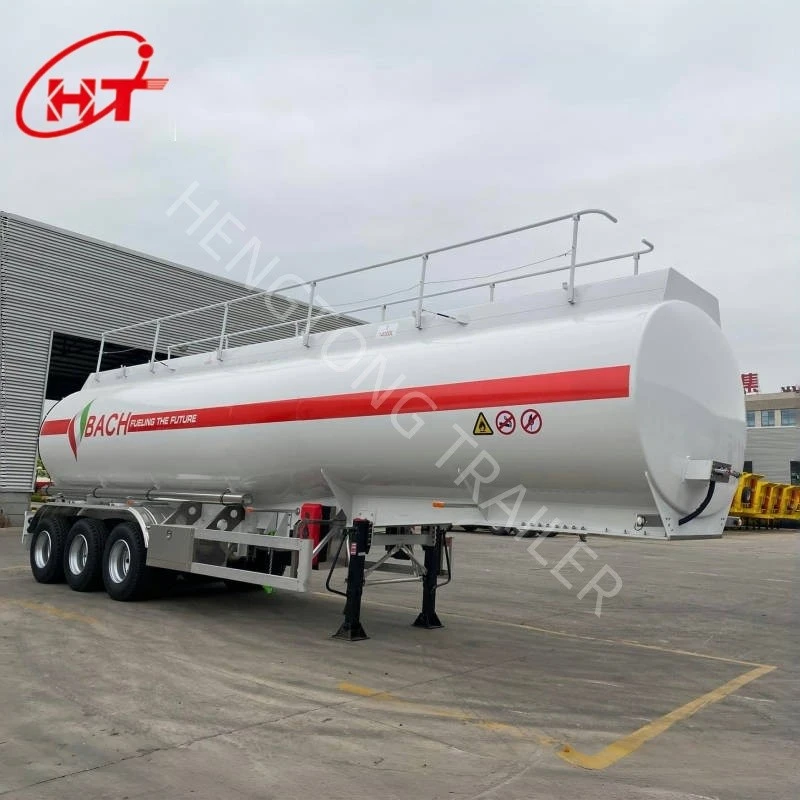

However, it's important to note that the environmental impact of a fence semi trailer also depends on how it is loaded. Overloading a trailer can increase fuel consumption and emissions. As a supplier, we always recommend that our customers adhere to the recommended load limits of their fence semi trailers. By doing so, they can ensure optimal fuel efficiency and minimize their environmental impact.
When comparing fence semi trailers to other types of trailers, such as the 100T Low Bed Trailer, the fuel efficiency can vary. Low - bed trailers are often used for transporting heavy and oversized loads, which may require more powerful tractors and result in higher fuel consumption. Fence semi trailers, on the other hand, are typically used for transporting lighter and more regular - shaped loads, which can be more fuel - efficient in many cases.
Manufacturing Processes
The environmental impact of fence semi trailers also extends to their manufacturing processes. At our company, we are committed to using sustainable manufacturing practices. We source our materials from suppliers who adhere to strict environmental standards. For example, the steel used in our fence semi trailers is often recycled, which reduces the energy and resources required for production compared to using virgin steel.
Recycling steel also helps to reduce the amount of waste sent to landfills. In addition, our manufacturing facilities are equipped with energy - efficient machinery and lighting systems. We have implemented measures to reduce water consumption and minimize the generation of hazardous waste during the manufacturing process.
However, the manufacturing of any large - scale industrial product still has an environmental impact. The production of paint and coatings used on fence semi trailers can release volatile organic compounds (VOCs) into the atmosphere. To address this issue, we use low - VOC paints and coatings, which are less harmful to the environment and human health.
End - of - Life Disposal
Another important aspect of the environmental friendliness of fence semi trailers is their end - of - life disposal. When a fence semi trailer reaches the end of its useful life, it's crucial to dispose of it in an environmentally responsible manner.
Most of the components of a fence semi trailer, such as the steel frame, axles, and wheels, can be recycled. Recycling these materials not only conserves natural resources but also reduces the energy required to produce new components. Some parts, such as rubber tires, can also be recycled or repurposed.
We encourage our customers to work with us when it's time to retire their fence semi trailers. We can provide guidance on how to properly recycle or dispose of the trailer components. By taking an active role in the end - of - life management of our products, we can minimize the environmental impact of our fence semi trailers.
Comparison with Other Transportation Options
To fully understand the environmental friendliness of fence semi trailers, it's useful to compare them with other transportation options. For example, the 45000L Fuel Tanker Truck is used for transporting large volumes of fuel. While these trucks are essential for the distribution of fuel, they also have a significant environmental impact due to the potential for fuel spills and the high fuel consumption of the vehicle itself.
Fence semi trailers, when used for transporting non - hazardous goods, generally have a lower environmental impact in terms of the risk of spills. Additionally, if they are used in combination with efficient logistics planning, they can reduce the number of trips required to transport goods, which in turn reduces overall emissions.
Conclusion
In conclusion, fence semi trailers can be considered relatively environmentally friendly when compared to some other types of transportation equipment. Their design and manufacturing processes have evolved to reduce fuel consumption, emissions, and waste generation. However, their environmental impact also depends on how they are used, loaded, and disposed of.
As a supplier of Fence Semi Trailers, we are committed to continuous improvement in terms of environmental performance. We will continue to invest in research and development to further enhance the fuel efficiency and sustainability of our products.
If you are interested in learning more about our fence semi trailers or discussing how they can fit into your environmentally - conscious transportation needs, we invite you to contact us for a procurement discussion. We look forward to working with you to find the best solutions for your business while also minimizing the environmental impact.
References
- American Society of Mechanical Engineers (ASME). Standards for semi - trailer design and manufacturing.
- Environmental Protection Agency (EPA). Guidelines for reducing emissions in the transportation industry.
- Steel Recycling Institute. Benefits of using recycled steel in manufacturing.


