

Hey there! I'm a supplier of Cement Tankers, and I often get asked this question: Can a cement tanker be used for other materials? Well, let's dive right in and explore this topic.
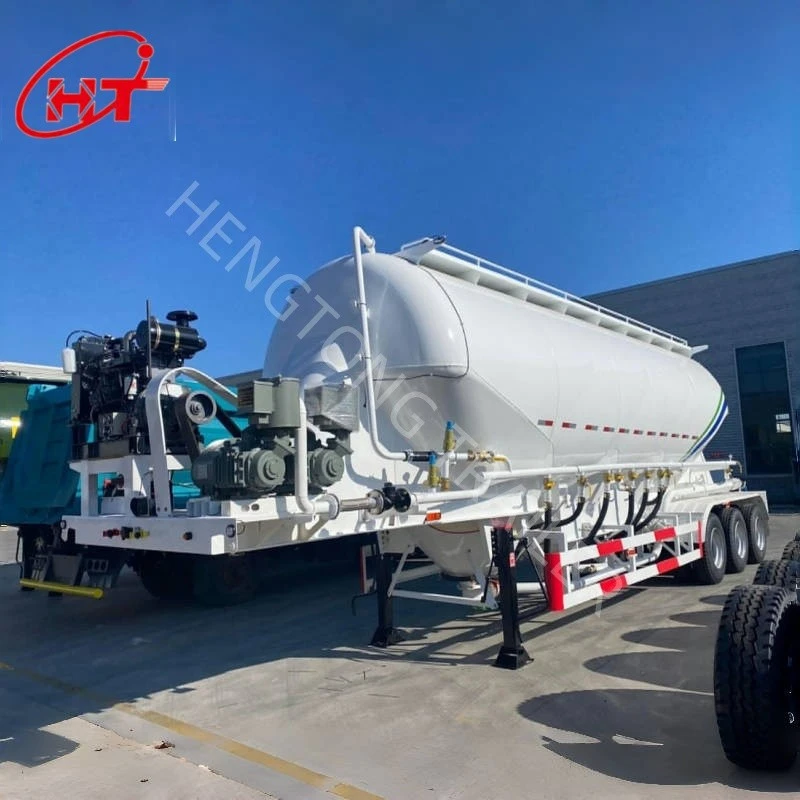
First off, let's understand what a cement tanker is. A cement tanker, also known as a cement trailer, is a specialized vehicle designed to transport bulk cement. It's got a large cylindrical tank on a trailer chassis and is equipped with a pneumatic conveying system to unload the cement. You can check out more about Cement Trailer on our website.
Now, back to the question. Can it be used for other materials? The short answer is yes, it can, but there are some important things to consider.
Materials Suitable for Cement Tankers
Fly Ash
Fly ash is a by - product of coal combustion in power plants. It's similar to cement in terms of its physical properties, being a fine powder. Cement tankers can easily transport fly ash because the pneumatic conveying system that works for cement also works well for fly ash. The tank's design, which is smooth and cylindrical, allows the fly ash to flow freely during loading and unloading. Many construction projects use fly ash as a partial replacement for cement, so having a flexible tanker that can carry both materials is a big plus.
Lime
Lime is another material that can be transported in a cement tanker. Like cement, lime is a powder used in construction, agriculture, and water treatment. It has a relatively low density and flows well through the pneumatic system. However, lime is more caustic than cement, so the tanker may need to be cleaned more thoroughly after each use to prevent corrosion and contamination.
Plastic Pellets
Some types of plastic pellets, which are small, spherical pieces of plastic used in the manufacturing industry, can also be transported in a cement tanker. These pellets are dry and free - flowing, similar to cement. But since they are made of plastic, there's a risk of static electricity build - up, which can cause the pellets to stick to the tank walls. To prevent this, the tanker may need some modifications, such as the addition of anti - static liners.
Limitations and Considerations
Material Compatibility
One of the biggest concerns when using a cement tanker for other materials is material compatibility. Different materials have different chemical and physical properties. For example, some chemicals may react with the steel of the tanker, causing corrosion. Others may leave residues that are difficult to clean, which can contaminate future loads.
Cleaning Requirements
After transporting different materials, the tanker needs to be cleaned properly. Cleaning a cement tanker is not a simple task, especially when switching between materials. For instance, if you've carried a sticky material and then plan to transport a clean powder, any residue left behind can affect the quality of the new load. Specialized cleaning equipment and procedures may be required, which can add to the cost and time.
Loading and Unloading Equipment
The pneumatic conveying system in a cement tanker is designed specifically for cement. While it may work for some similar materials, other materials may require different loading and unloading methods. For example, materials with a higher density may need a more powerful conveying system to ensure complete unloading.
Other Trailer Options
If you need to transport a wide variety of materials, you might also consider other types of trailers. For example, Lowbed Lowboy Trailer is great for transporting large and heavy machinery. It has a low deck height, which makes it easier to load and unload oversized equipment.
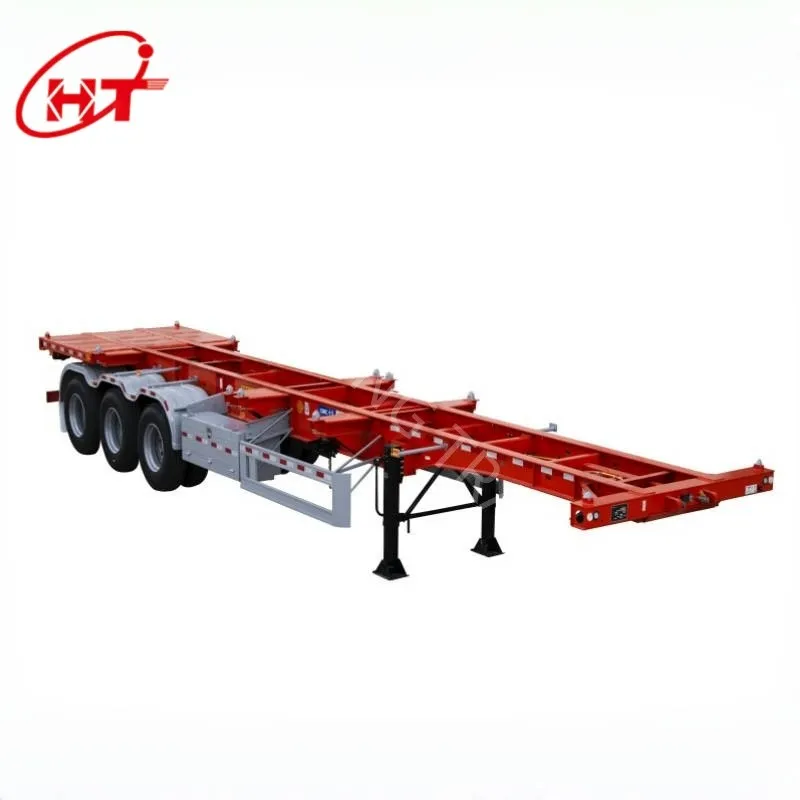
On the other hand, Skeleton Semi Trailer is ideal for transporting containers. It's lightweight and has a simple structure, which allows for easy attachment and detachment of containers.
Conclusion
So, in conclusion, a cement tanker can be used for other materials, but it's not as straightforward as it may seem. You need to consider material compatibility, cleaning requirements, and the suitability of the loading and unloading equipment. If you're planning to use a cement tanker for multiple materials, it's important to do your research and make sure it's the right choice for your business.
If you're interested in purchasing a cement tanker or learning more about our trailer options, we'd love to talk to you. Reach out to us to start a conversation about your specific needs and how we can help.
References
- Construction Material Handbook: A valuable resource that provides information on the properties and transportation requirements of various construction materials.
- Trailer Manufacturing Industry Reports: These reports offer insights into the capabilities and limitations of different types of trailers, including cement tankers.


