

As a supplier of cement tankers, I've spent a significant amount of time pondering the accuracy of cement level measurement systems. These systems are not just an add - on; they are crucial for the efficient operation of cement tankers, ensuring safety, optimizing loading and unloading processes, and minimizing waste. In this blog, I'll explore the accuracy of these systems, the factors that affect them, and the latest advancements in the field.
The Importance of Accurate Cement Level Measurement
Before delving into the accuracy of measurement systems, it's essential to understand why accurate level measurement matters. For starters, it helps in preventing over - filling or under - filling of the cement tanker. Over - filling can lead to spillage, which is not only a waste of valuable cement but can also pose safety hazards and environmental risks. On the other hand, under - filling means that the tanker is not being utilized to its full capacity, resulting in inefficient transportation and increased costs per unit of cement delivered.
Accurate level measurement also plays a vital role in inventory management. Cement suppliers need to know exactly how much cement is in each tanker at any given time. This information is used for accounting purposes, as well as for planning future deliveries and ensuring that there is an adequate supply of cement to meet customer demands.
Types of Cement Level Measurement Systems
There are several types of cement level measurement systems available in the market, each with its own advantages and limitations.
1. Float - type Level Sensors
Float - type sensors are one of the oldest and simplest methods of measuring the level of a liquid or granular material. In a cement tanker, a float is placed inside the tank, and its position is used to determine the level of the cement. As the cement level rises or falls, the float moves accordingly, and this movement is translated into a level reading.
The accuracy of float - type sensors can be affected by several factors. For example, the density of the cement can vary depending on its composition and moisture content. If the density changes, the float may not float at the correct level, leading to inaccurate readings. Additionally, the movement of the tanker during transportation can cause the float to move erratically, further reducing the accuracy of the measurement.
2. Ultrasonic Level Sensors
Ultrasonic sensors work by emitting high - frequency sound waves and measuring the time it takes for the waves to bounce back from the surface of the cement. By knowing the speed of sound in the air inside the tank, the sensor can calculate the distance to the cement surface and thus determine the level of the cement.
One of the main advantages of ultrasonic sensors is that they are non - contact, which means they do not come into direct contact with the cement. This reduces the risk of damage to the sensor and also eliminates the need for any moving parts inside the tank. However, ultrasonic sensors can be affected by factors such as dust and moisture in the air inside the tank. Dust can absorb or scatter the ultrasonic waves, making it difficult for the sensor to receive an accurate echo. Moisture can also change the speed of sound in the air, leading to errors in the level measurement.
3. Radar Level Sensors
Radar sensors use electromagnetic waves to measure the level of the cement. Similar to ultrasonic sensors, radar sensors emit waves and measure the time it takes for the waves to bounce back from the surface of the cement.
Radar sensors are known for their high accuracy and reliability. They are less affected by dust, moisture, and temperature variations compared to ultrasonic sensors. However, they can be more expensive than other types of sensors, and their installation and calibration require specialized knowledge.
Factors Affecting the Accuracy of Cement Level Measurement Systems
In addition to the limitations of each type of measurement system, there are several external factors that can affect the accuracy of cement level measurement.
1. Cement Properties
As mentioned earlier, the density and moisture content of the cement can have a significant impact on the accuracy of the measurement. Cement with a higher moisture content will be denser, which can affect the performance of float - type sensors. Moisture can also cause caking of the cement, which can interfere with the operation of both ultrasonic and radar sensors.
2. Tank Conditions
The shape and size of the cement tanker can also affect the accuracy of the measurement. Irregularly shaped tanks can create areas where the cement can accumulate or form pockets, making it difficult for the sensors to accurately measure the level. Additionally, the presence of internal structures such as baffles or agitators can interfere with the operation of the sensors.
3. Environmental Conditions
External environmental conditions such as temperature and pressure can also affect the accuracy of the measurement. Changes in temperature can cause the expansion or contraction of the tank and the cement, which can lead to changes in the level reading. High - pressure conditions can also affect the performance of ultrasonic and radar sensors by changing the properties of the air inside the tank.

Advancements in Cement Level Measurement Technology
Despite the challenges, there have been significant advancements in cement level measurement technology in recent years.
1. Improved Sensor Design
Manufacturers are constantly working on improving the design of sensors to make them more accurate and reliable. For example, new ultrasonic sensors are being developed with advanced signal processing algorithms that can filter out noise and interference caused by dust and moisture. Radar sensors are also becoming more compact and affordable, making them more accessible to a wider range of customers.
2. Integration with IoT
The Internet of Things (IoT) has also had a major impact on cement level measurement. Many modern measurement systems can now be connected to a network, allowing real - time monitoring of the cement level in the tanker. This data can be accessed remotely by operators and managers, enabling them to make informed decisions about loading, unloading, and inventory management.
How We Ensure Accuracy as a Cement Tanker Supplier
As a cement tanker supplier, we understand the importance of accurate level measurement. We work closely with sensor manufacturers to ensure that the measurement systems we install in our tankers are of the highest quality. Before delivering a tanker to a customer, we conduct thorough testing of the level measurement system to ensure that it is accurate and reliable.
We also provide training to our customers on how to properly operate and maintain the level measurement system. This includes instructions on how to calibrate the sensors, how to clean the sensors to prevent dust and moisture buildup, and how to troubleshoot common problems.
Conclusion
In conclusion, the accuracy of cement level measurement systems in a cement tanker is a complex issue that is affected by many factors. While no measurement system is perfect, advancements in technology are constantly improving the accuracy and reliability of these systems.
As a cement tanker supplier, we are committed to providing our customers with the best possible level measurement solutions. If you are in the market for a cement tanker or need to upgrade your existing level measurement system, I encourage you to [contact us for procurement and further discussion]. We have a wide range of tankers and measurement systems to choose from, and our team of experts can help you find the solution that best meets your needs.
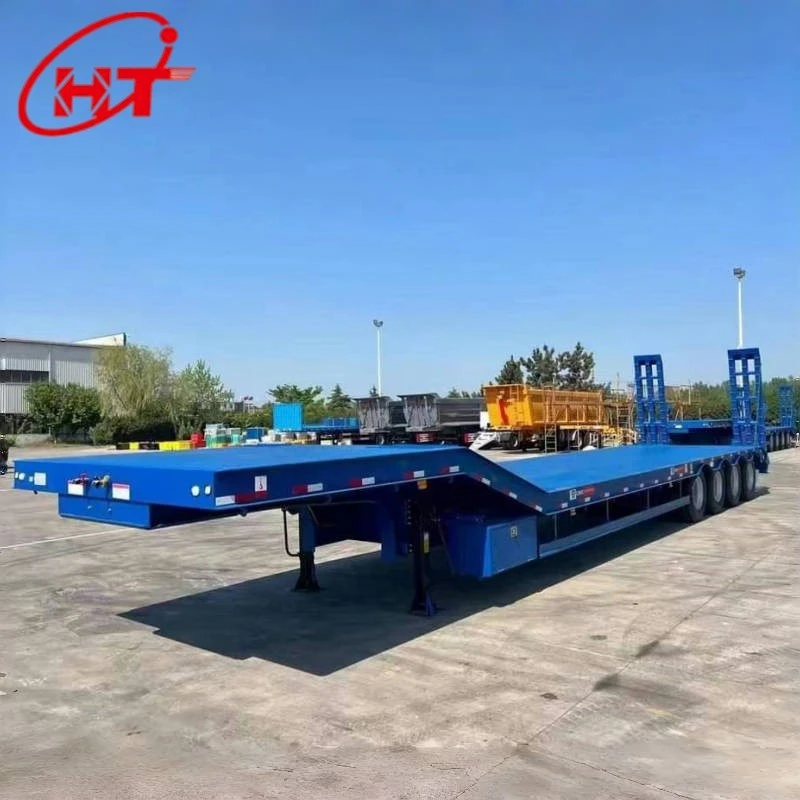
In addition to cement tankers, we also offer other types of trailers such as Lowbed Lowboy Trailer, 1.6m Fenced Trailer, and Used Dump Truck Trailer.
References
- Brown, D. (2018). Industrial Level Measurement Techniques. Publisher: ABC Publishing.
- Green, S. (2019). Advances in Sensor Technology for Bulk Material Handling. Journal of Engineering and Technology, 45(2), 123 - 135.
- White, R. (2020). The Impact of IoT on Industrial Measurement Systems. Proceedings of the International Conference on Industrial Automation, 56 - 62.


