

In the realm of the oil and gas industry, crude haulers play a pivotal role in transporting crude oil from extraction sites to refineries or storage facilities. As a supplier of crude haulers, I understand the challenges operators face in managing and reducing operating costs. In this blog, I'll share some practical strategies that can help crude hauler operators cut down on expenses without sacrificing the quality of service.
Fleet Optimization
One of the most effective ways to reduce operating costs is through fleet optimization. A well - planned fleet can significantly improve efficiency and reduce unnecessary expenses.
Right - Sizing the Fleet
First, it's crucial to have the right number of haulers for the job. Over - sizing the fleet leads to idle vehicles, which incur costs such as maintenance, insurance, and depreciation without generating revenue. On the other hand, under - sizing can result in missed opportunities and potential loss of customers. Analyze historical data on transportation volume, delivery schedules, and peak demand periods to determine the optimal number of haulers required.
For example, if your data shows that during certain months of the year, the demand for crude oil transportation increases by 30%, you can plan to lease additional trucks during those periods instead of purchasing new ones. This way, you avoid the high upfront costs and long - term depreciation associated with new vehicle purchases.
Choosing the Right Trailer Types
Selecting the appropriate trailer types for your operations can also lead to cost savings. Different trailer types have different capacities, fuel efficiencies, and maintenance requirements.
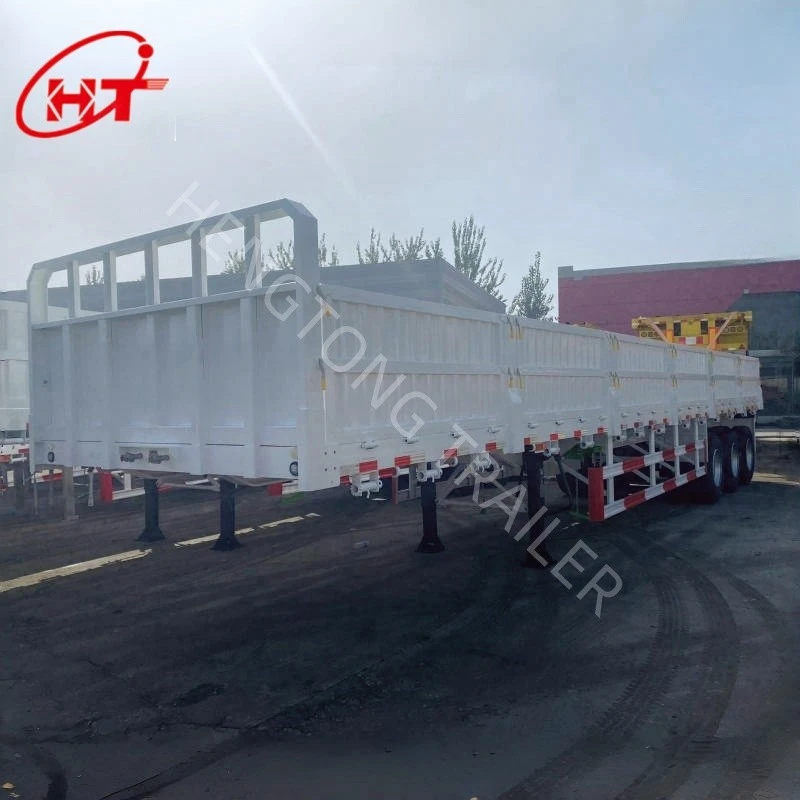
The 45ft Flat Bed Trailer is a versatile option that can be used for a variety of cargoes, including some types of crude oil containers. It offers good stability and relatively low maintenance costs. The 3 - axis Fence Trailer is another option, which can provide better protection for the cargo and may be more suitable for certain terrains. And the 53ft Flatbed Semi Trailer has a larger capacity, which can reduce the number of trips required for transporting a given volume of crude oil, thus saving on fuel and labor costs.
Fuel Management
Fuel is one of the largest cost components for crude haulers. Implementing effective fuel management strategies can lead to substantial savings.
Route Optimization
Using advanced routing software can help find the shortest and most fuel - efficient routes. These software programs take into account factors such as traffic conditions, road gradients, and speed limits. By avoiding congested areas and steep hills, trucks can consume less fuel.
For instance, if a traditional route has a lot of stop - and - go traffic, the routing software may suggest an alternative route that, although slightly longer in distance, has a more consistent flow of traffic, resulting in better fuel efficiency.
Driver Training on Fuel - Efficient Driving
Proper driver training can also make a big difference in fuel consumption. Teach drivers to avoid rapid acceleration and hard braking, as these actions waste fuel. Encourage them to maintain a steady speed and use cruise control when possible. Additionally, drivers should be trained to turn off the engine when the truck is idle for an extended period, such as during loading and unloading operations.
Maintenance and Repairs
Regular maintenance is essential to keep the fleet in good working condition and prevent costly breakdowns. However, it's also important to manage maintenance costs effectively.
Preventive Maintenance Programs
Implement a preventive maintenance program that includes regular inspections, oil changes, tire rotations, and other routine maintenance tasks. By detecting and addressing potential problems early, you can avoid major breakdowns that can lead to expensive repairs and downtime.
For example, regular tire inspections can help identify worn - out tires before they cause a blowout. Replacing tires at the right time can not only prevent accidents but also improve fuel efficiency, as under - inflated or worn - out tires increase rolling resistance.
Partnering with Reliable Maintenance Providers
Partner with reliable maintenance providers who offer competitive pricing and high - quality service. Look for providers who have experience working with crude haulers and can offer quick turnaround times. By building a long - term relationship with a maintenance provider, you may be able to negotiate better rates and get priority service.
Labor Management
Labor costs can also be a significant part of the operating expenses. Efficient labor management can help reduce these costs.
Driver Scheduling
Optimize driver schedules to ensure maximum utilization of labor. Use scheduling software that takes into account factors such as driver availability, hours of service regulations, and delivery schedules. By minimizing idle time and ensuring that drivers are assigned to the most efficient routes, you can improve productivity and reduce labor costs.
Cross - Training Employees
Cross - train employees to perform multiple tasks. For example, in addition to driving, drivers can be trained to perform basic maintenance tasks such as checking fluid levels and tire pressures. This way, you can reduce the need to hire additional maintenance staff and make better use of your existing workforce.
Regulatory Compliance
Staying compliant with regulations is not only a legal requirement but can also help avoid costly fines and penalties.
Keeping Up with Changing Regulations
The oil and gas transportation industry is highly regulated, and regulations can change frequently. Stay informed about new regulations related to safety, environmental protection, and transportation of hazardous materials. By ensuring that your fleet and operations are in compliance, you can avoid costly legal issues.
Investing in Compliance Technologies
Invest in technologies that help with regulatory compliance. For example, electronic logging devices (ELDs) can help ensure that drivers comply with hours of service regulations. These devices automatically record driving hours, which reduces the risk of violations and associated fines.
Insurance Management
Insurance is a necessary expense for crude haulers, but there are ways to manage insurance costs.
Shopping Around for Insurance
Don't settle for the first insurance policy you find. Shop around and compare quotes from multiple insurance providers. Look for providers that offer comprehensive coverage at competitive rates. Consider factors such as the deductible amount, coverage limits, and the reputation of the insurance company.
Implementing Safety Programs
Implement safety programs that can reduce the risk of accidents and insurance claims. This can include driver training on safety procedures, regular vehicle inspections, and the use of safety equipment such as anti - lock braking systems and collision avoidance systems. By demonstrating a commitment to safety, you may be able to negotiate lower insurance premiums.
In conclusion, reducing the operating costs of a crude hauler requires a comprehensive approach that addresses various aspects of the business, including fleet optimization, fuel management, maintenance, labor, regulatory compliance, and insurance. By implementing these strategies, crude hauler operators can improve their bottom line and remain competitive in the market.

If you're interested in learning more about how our crude haulers can help you reduce operating costs or if you're looking to purchase or lease a hauler for your operations, I encourage you to reach out to us for a detailed discussion. We're here to provide you with the best solutions tailored to your specific needs.
References
- "Fleet Management Best Practices" by Fleet Management Association
- "Fuel Efficiency in the Transportation Industry" by Energy Research Institute
- "Maintenance Strategies for Heavy - Duty Vehicles" by Automotive Maintenance Council


