

The trailer suspension system is a critical component that significantly influences a trailer's performance, safety, and functionality. One of the key aspects affected by the trailer suspension is the trailer's ground clearance. As a trailer suspension supplier, I've witnessed firsthand how different types of suspensions can have varying impacts on ground clearance. In this blog, we'll explore the relationship between trailer suspension and ground clearance, and how it can affect your trailer's operation.

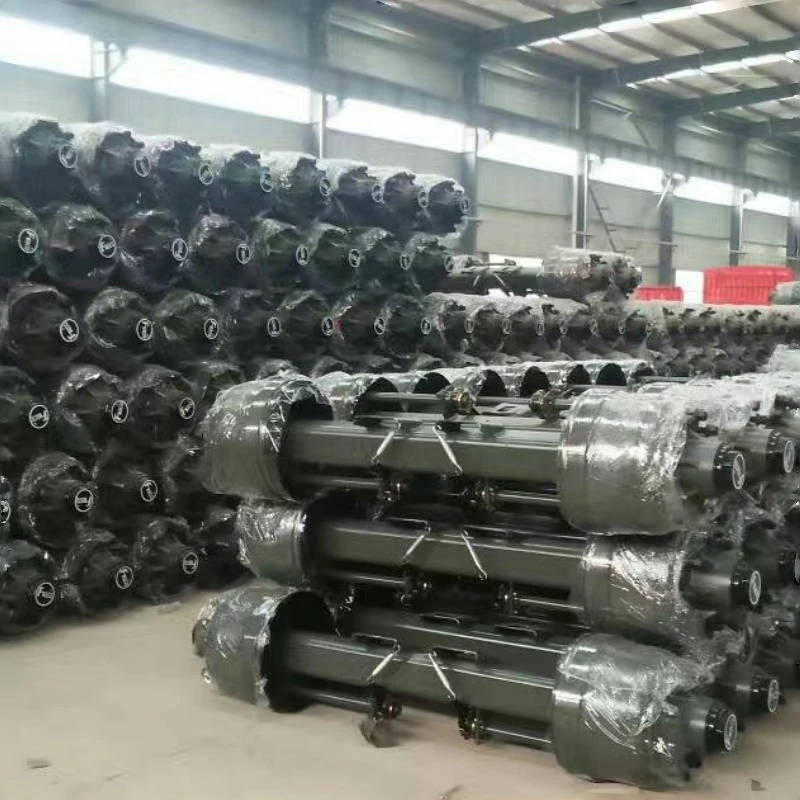
Understanding Trailer Suspension and Ground Clearance
Before delving into the effects, let's first understand what trailer suspension and ground clearance are. Trailer suspension is a system of springs, shock absorbers, and linkages that connect a trailer to its wheels. Its primary function is to provide a smooth ride by absorbing shocks and vibrations from the road surface. It also helps maintain the trailer's stability and control while in motion.
Ground clearance, on the other hand, refers to the distance between the lowest point of the trailer (usually the axle or the suspension components) and the ground. It is an important factor as it determines the trailer's ability to navigate over obstacles, such as speed bumps, potholes, and uneven terrain. A higher ground clearance allows the trailer to clear these obstacles without getting stuck or damaging its undercarriage.
Types of Trailer Suspensions and Their Impact on Ground Clearance
There are several types of trailer suspensions available in the market, each with its own unique characteristics and impact on ground clearance. Let's take a closer look at some of the most common types:
Leaf Spring Suspension
Leaf spring suspension is one of the oldest and most widely used types of trailer suspensions. It consists of multiple layers of curved metal strips (leaf springs) that are stacked on top of each other and attached to the axle and the trailer frame. Leaf spring suspensions are known for their simplicity, durability, and affordability.
In terms of ground clearance, leaf spring suspensions typically offer a moderate amount. The design of the leaf springs allows for some flexibility, which helps to absorb shocks and maintain a relatively stable ride. However, the leaf springs themselves can add some height to the suspension, which may reduce the overall ground clearance slightly.
Torsion Axle Suspension
Torsion axle suspension is a more modern type of trailer suspension that uses rubber cords or torsion bars to provide suspension. Unlike leaf spring suspensions, torsion axle suspensions do not have any external springs or shock absorbers. Instead, the torsion bars twist to absorb shocks and vibrations from the road surface.
Torsion axle suspensions are known for their smooth ride, compact design, and low maintenance requirements. They also offer a relatively high ground clearance compared to leaf spring suspensions. The absence of external springs and shock absorbers means that there are fewer components that can get in the way of the trailer's movement, allowing it to clear obstacles more easily.
Air Suspension
Air suspension is a high-end type of trailer suspension that uses air bags to provide suspension. The air bags are filled with compressed air, which can be adjusted to control the height and stiffness of the suspension. Air suspension systems are often used in commercial trailers and luxury RVs due to their superior ride quality and adjustability.
In terms of ground clearance, air suspension systems offer the highest level of adjustability. The air bags can be inflated or deflated to raise or lower the trailer's height, allowing it to adapt to different road conditions and loading requirements. This means that the trailer can have a higher ground clearance when needed, such as when navigating rough terrain or crossing obstacles, and a lower ground clearance when traveling on smooth roads to improve stability and fuel efficiency.
Factors Affecting Ground Clearance in Addition to Suspension
While the type of trailer suspension plays a significant role in determining the trailer's ground clearance, there are several other factors that can also affect it. These include:
Trailer Load
The weight and distribution of the load on the trailer can have a significant impact on its ground clearance. A heavily loaded trailer will sit lower to the ground, reducing its ground clearance. It is important to ensure that the trailer is loaded evenly and within its recommended weight capacity to maintain a safe and adequate ground clearance.
Tire Size
The size of the tires on the trailer can also affect its ground clearance. Larger tires generally have a higher sidewall height, which can increase the overall ground clearance of the trailer. However, it is important to ensure that the tires are compatible with the trailer's suspension and axle system to avoid any issues.
Road Conditions
The condition of the road surface can also affect the trailer's ground clearance. Rough or uneven roads can cause the trailer to bounce and sway, which can reduce its ground clearance. It is important to drive carefully and adjust your speed according to the road conditions to avoid any damage to the trailer's undercarriage.
Importance of Maintaining Adequate Ground Clearance
Maintaining an adequate ground clearance is crucial for the safe and efficient operation of your trailer. Here are some of the key reasons why:
Avoiding Damage to the Undercarriage
Adequate ground clearance helps to prevent the trailer's undercarriage from hitting obstacles on the road, such as speed bumps, potholes, and rocks. This can help to avoid costly damage to the trailer's suspension, axle, and other components.
Improving Traction and Stability
A higher ground clearance can also improve the trailer's traction and stability on rough or uneven roads. By allowing the wheels to maintain better contact with the ground, the trailer is less likely to slip or skid, reducing the risk of accidents.
Ensuring Proper Functioning of the Suspension
Maintaining an adequate ground clearance is also important for the proper functioning of the trailer's suspension system. If the ground clearance is too low, the suspension components may come into contact with the ground or other objects, causing them to wear out prematurely or become damaged.
Conclusion
In conclusion, the trailer suspension system plays a crucial role in determining the trailer's ground clearance. Different types of suspensions offer varying levels of ground clearance, with air suspension systems providing the highest level of adjustability. However, it is important to consider other factors such as trailer load, tire size, and road conditions when determining the appropriate ground clearance for your trailer.
As a trailer suspension supplier, we offer a wide range of high-quality trailer suspensions to meet the needs of different customers. Whether you're looking for a leaf spring suspension for your utility trailer, a torsion axle suspension for your RV, or an air suspension for your commercial trailer, we have the right solution for you.
If you're interested in learning more about our trailer suspensions or have any questions about trailer ground clearance, please don't hesitate to [contact us for a purchase negotiation]. We'd be happy to help you find the perfect suspension system for your trailer.
References
- "Trailer Suspension Systems: A Comprehensive Guide." Trailer Life, 2023.
- "How to Choose the Right Trailer Suspension." RV Travel, 2023.
- "The Importance of Ground Clearance in Trailers." Trucking Info, 2023.


