Towing a travel trailer is an exciting adventure that allows you to explore new places at your own pace. As a reputable trailer supplier, I've had the privilege of assisting numerous customers in their towing endeavors. In this blog post, I'll share comprehensive tips and guidelines on how to tow a travel trailer safely and efficiently.
Pre - Towing Preparations
Trailer Selection
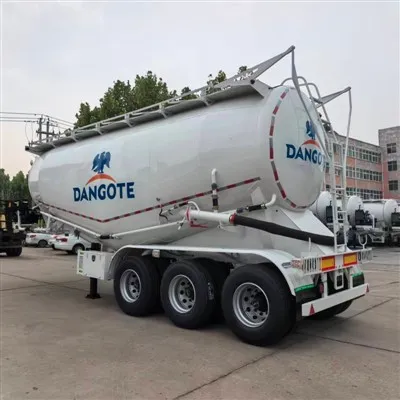
Before you even think about towing, it's crucial to choose the right travel trailer for your vehicle. Consider the size, weight, and features of the trailer. Our company offers a wide range of trailers to suit different needs. For instance, if you're looking for a trailer to transport cement, you might be interested in Cement Semi Trailer or Bulk Cement Semi Trailer. These trailers are designed with high - quality materials and advanced technology to ensure reliable performance. If you need a trailer for dumping materials, the 3 Axle Dump Trailer is a great option.
Vehicle Compatibility
Your towing vehicle must be capable of handling the weight of the trailer. Check your vehicle's owner's manual for the towing capacity. The Gross Vehicle Weight Rating (GVWR) of the trailer should not exceed the towing capacity of your vehicle. Also, make sure your vehicle has the appropriate hitch and wiring for the trailer.
Trailer Inspection
Thoroughly inspect the trailer before each trip. Check the tires for proper inflation and tread depth. Worn - out tires can lead to blowouts, which are extremely dangerous while towing. Inspect the brakes, lights, and suspension. Make sure all the connections, such as the hitch and safety chains, are secure.
Loading the Trailer
Proper loading is essential for safe towing. Distribute the weight evenly throughout the trailer. The majority of the weight should be placed in the front half of the trailer, around 60%. This helps to prevent swaying and unstable towing conditions. Secure all the items inside the trailer to prevent them from shifting during transit.
Hitching the Trailer
Hitch Types
There are different types of hitches available, such as bumper - pull hitches and fifth - wheel hitches. Bumper - pull hitches are the most common and are suitable for smaller travel trailers. Fifth - wheel hitches are used for larger trailers and provide better stability. As a trailer supplier, we can help you choose the right hitch for your trailer and vehicle combination.
Hitching Process
Before hitching, park your vehicle on a level surface and engage the parking brake. Lower the trailer coupler onto the hitch ball and secure it with the locking mechanism. Attach the safety chains in a criss - cross pattern under the coupler. This provides an extra layer of security in case the hitch fails. Connect the electrical wiring for the trailer lights and brakes.
On - the - Road Towing
Driving Techniques
When towing a travel trailer, you need to adjust your driving style. Increase your following distance to at least four seconds to allow for more time to stop. Take turns wider than normal to avoid the trailer hitting curbs or other obstacles. Accelerate and decelerate slowly to prevent the trailer from pushing or pulling the vehicle.
Speed Management
Keep your speed in check. Driving too fast can increase the risk of swaying and make it more difficult to control the vehicle and trailer. Most states have speed limits for towing, so make sure to follow them. A general rule of thumb is to drive at a speed that allows you to maintain full control of the vehicle and trailer at all times.
Sway Control
Trailer sway can be a serious problem while towing. To prevent sway, make sure the trailer is loaded properly and the tires are inflated correctly. You can also use sway control devices, such as weight - distribution hitches with sway bars, to reduce sway. If you experience sway while driving, do not panic. Gradually reduce your speed and avoid making sudden steering or braking maneuvers.
Rest Stops
Take regular rest stops during your journey. This not only gives you a chance to rest but also allows you to check the trailer and vehicle for any signs of problems. Inspect the tires, connections, and lights at each stop.
Arrival and Unhitching
Parking the Trailer
When you arrive at your destination, choose a level and stable parking spot. Use wheel chocks to prevent the trailer from rolling. If you're staying for an extended period, you may want to level the trailer using leveling blocks.
Unhitching Process
To unhitch the trailer, first, disconnect the electrical wiring and safety chains. Then, release the locking mechanism on the hitch and raise the trailer coupler off the hitch ball. Make sure to store all the equipment properly.
Maintenance After Towing
Trailer Maintenance
After each trip, clean the trailer thoroughly to remove dirt, debris, and road salt. Inspect the trailer for any damage, such as dents, scratches, or loose parts. Lubricate the moving parts, such as the hitch and hinges. Check the tire pressure regularly and rotate the tires as recommended.
Vehicle Maintenance
Towing a trailer puts additional stress on your vehicle. Check the engine oil, coolant, and transmission fluid levels. Inspect the brakes, suspension, and tires of your vehicle. It's also a good idea to have your vehicle serviced regularly by a professional mechanic.
Conclusion
Towing a travel trailer can be a rewarding experience if you follow the proper procedures. As a trailer supplier, we are committed to providing you with high - quality trailers and the necessary information to ensure a safe and enjoyable towing experience. If you're in the market for a new trailer or have any questions about towing, feel free to contact us for a purchase consultation. We have a team of experts who can help you choose the right trailer for your needs and provide you with valuable advice on towing safety.


References
- "Trailer Towing Handbook" by an industry expert on towing safety
- Owner's manuals of various towing vehicles and trailers
- State traffic laws and regulations regarding towing