

Transporting food products in a semi-trailer is a crucial aspect of the food supply chain. As a semi-trailer supplier, I've seen firsthand the importance of getting this right. In this blog, I'll share some tips and best practices on how to transport food products effectively in a semi-trailer.
Pre - Transport Preparation
Before loading any food products onto a semi-trailer, it's essential to ensure that the trailer is clean and sanitized. Food is highly perishable, and any contamination can lead to spoilage or even health risks. I always recommend a thorough cleaning of the trailer interior, including the walls, floor, and ceiling. Use food - grade cleaning agents to get rid of any dirt, debris, or bacteria.
The temperature control system of the semi - trailer also needs to be checked. Different food products have different temperature requirements. For example, fresh produce might need to be kept at around 32 - 40°F (0 - 4°C), while frozen foods require much lower temperatures, usually around - 10°F to - 20°F (- 23°C to - 29°C). Make sure the refrigeration unit is in good working condition and can maintain the required temperature throughout the journey.
Loading the Food Products
When it comes to loading food products, proper organization is key. First, group the products according to their temperature requirements. Keep all the frozen items together and the refrigerated items in another section. This helps in maintaining the right temperature for each type of food.

Use pallets to stack the food products. Pallets make it easier to load and unload the goods, and they also provide better air circulation around the products. Make sure the pallets are clean and in good condition. Avoid over - stacking the pallets as it can cause damage to the food products at the bottom.
Also, consider the weight distribution. Uneven weight distribution can affect the stability of the semi - trailer during transportation. Place heavier items at the bottom and distribute the weight evenly across the trailer.
Types of Semi - Trailers for Food Transport
There are different types of semi - trailers that can be used for food transport. One popular option is the Fence Semi Trailer. This type of trailer is great for transporting fresh produce and other non - perishable food items. The fence design allows for good ventilation, which is important for keeping the food fresh.
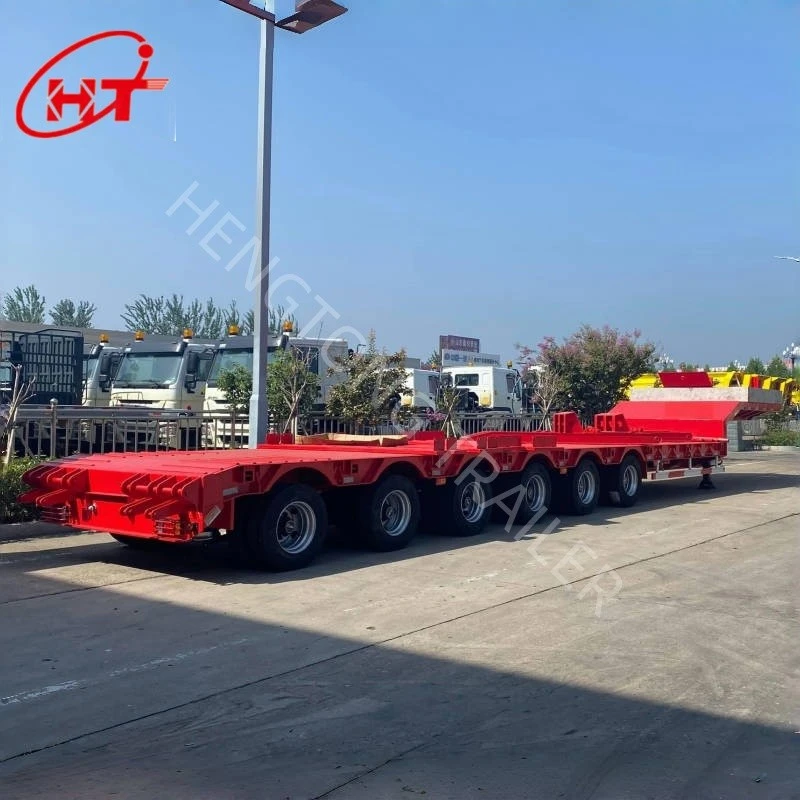
For transporting heavy food - related equipment or large quantities of food in bulk, the Excavator Lowbed Trailer can be a good choice. Its low - bed design makes it easier to load and unload heavy items.
The Detachable Gooseneck Trailer is another option. It offers flexibility in terms of loading and unloading, especially for large and irregularly shaped food products or equipment.
During - Transport Monitoring
Once the food products are loaded and the semi - trailer is on the road, continuous monitoring is necessary. Keep an eye on the temperature inside the trailer. Most modern semi - trailers come with temperature monitoring systems that can send real - time data to the driver or the logistics team. If the temperature goes out of the required range, immediate action should be taken, such as adjusting the refrigeration unit.
Check the trailer for any signs of damage or leaks during stops. A small leak could lead to moisture getting into the trailer, which can spoil the food. Also, make sure the trailer is properly secured to prevent any shifting of the food products during transit.
Unloading and Post - Transport
When it's time to unload the food products, do it carefully to avoid any damage. Use appropriate equipment, such as forklifts, to move the pallets. After unloading, clean the trailer again to prepare it for the next load.
Proper documentation is also important. Keep records of the temperature readings, loading and unloading times, and any incidents that occurred during the transport. This information can be useful for quality control and compliance purposes.
Choosing the Right Semi - Trailer
As a semi - trailer supplier, I understand that choosing the right trailer for food transport is crucial. Consider the size of the food products you'll be transporting, the temperature requirements, and the distance of the journey. A smaller trailer might be suitable for local deliveries, while a larger one is better for long - distance transport.
Also, look for trailers with features like good insulation, reliable refrigeration systems, and easy - to - clean interiors. These features can make a big difference in ensuring the quality of the food during transport.
Conclusion
Transporting food products in a semi - trailer requires careful planning and attention to detail. From pre - transport preparation to post - transport cleaning, every step plays a vital role in ensuring that the food reaches its destination in good condition. If you're in the market for a semi - trailer for food transport, don't hesitate to get in touch. We're here to help you find the right trailer for your needs and ensure a smooth and efficient food transportation process.
References
- "Food Transportation Best Practices", Food Logistics Magazine
- "Temperature Control in Food Transport", International Food Safety Journal
- "Semi - Trailer Design and Functionality", Trailer Manufacturer's Handbook


