

Hey there, fellow construction enthusiasts! I'm a supplier of used bulldozers, and I know firsthand how important it is to properly winterize these beasts to keep them running smoothly through the cold months. In this blog post, I'll share some tips on how to winterize a used bulldozer.
Why Winterization Matters
First off, let's talk about why winterizing your used bulldozer is so crucial. Cold weather can take a toll on heavy machinery. Things like freezing temperatures, snow, and ice can lead to all sorts of problems, from engine damage to hydraulic issues. By winterizing your bulldozer, you're not just protecting your investment; you're also ensuring that it'll be ready to go when the weather warms up again.
Pre - Winter Inspection
Before you start any winterization steps, it's essential to give your bulldozer a thorough inspection. Check the engine for any signs of wear or damage. Look at the belts, hoses, and filters. Make sure the radiator is in good condition and that there are no leaks. Inspect the tracks or tires for proper tread depth and any signs of cracking or damage. Also, check the hydraulic system for leaks and proper fluid levels. If you find any issues during this inspection, it's best to get them fixed before you start winterizing.

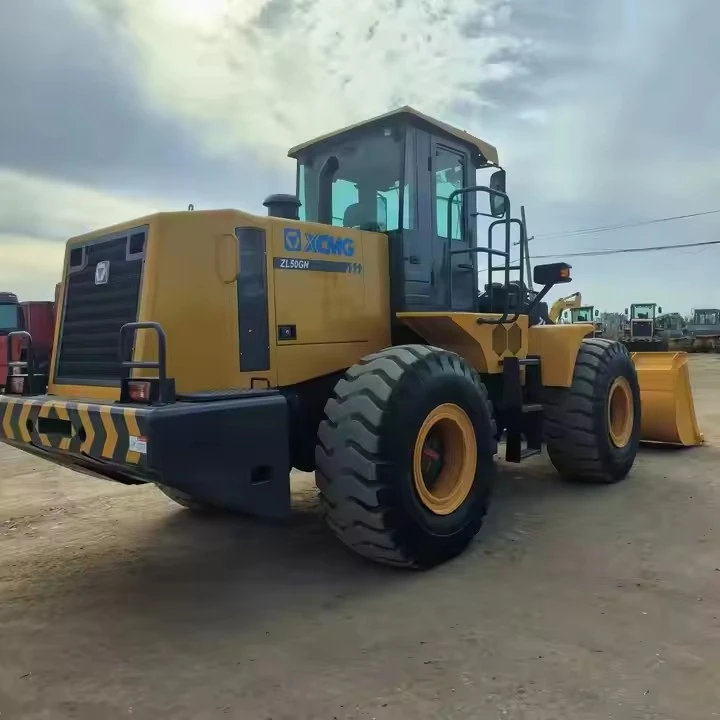
Engine Preparation
The engine is the heart of your bulldozer, so it needs special attention. First, change the engine oil. In cold weather, thick oil can make it harder for the engine to start. Use an oil with a lower viscosity rating that's suitable for winter conditions. Replace the oil filter as well.
Next, check the coolant. You want to make sure it has the right mixture of antifreeze to prevent it from freezing. A 50/50 mixture of antifreeze and water is usually a good starting point, but you can check your bulldozer's manual for the exact recommendation.
Don't forget about the fuel system. Add a fuel stabilizer to the tank. This helps prevent the fuel from breaking down over the winter and can also prevent the formation of ice in the fuel lines. If possible, fill up the fuel tank. A full tank reduces the amount of air inside, which can help prevent condensation and rust.
Battery Care
Cold weather can really zap the life out of a battery. Start by cleaning the battery terminals. Use a wire brush to remove any corrosion. Then, check the battery's charge level. You can use a battery charger to top it off if needed. Consider using a battery warmer or insulator. These can help keep the battery at a more stable temperature and make it easier to start the bulldozer in cold weather.
Hydraulic System
The hydraulic system is responsible for a lot of the bulldozer's functions, like lifting and pushing. Check the hydraulic fluid level and make sure it's at the correct level. If the fluid is dirty or has been in use for a long time, it's a good idea to change it. Just like with the engine oil, use a hydraulic fluid that's suitable for cold temperatures.
Inspect the hydraulic hoses for any signs of wear or damage. Replace any hoses that look worn out. Also, make sure the hydraulic filters are clean. A clogged filter can reduce the system's efficiency and cause problems.
Tracks and Undercarriage
If your bulldozer has tracks, they need some TLC too. Clean the tracks thoroughly to remove any dirt, mud, or debris. This helps prevent corrosion and also allows you to inspect the tracks for any hidden damage. Lubricate the track pins and bushings according to the manufacturer's recommendations.
For the undercarriage, check the rollers, idlers, and sprockets. Make sure they're properly lubricated and that there's no excessive wear. Adjust the track tension if necessary. Loose tracks can cause poor performance and even damage to the undercarriage components.
Storage
Once you've completed all the winterization steps, it's time to think about storage. Find a dry, sheltered place to store your bulldozer. A garage or a shed is ideal. If you don't have indoor storage, consider using a heavy - duty tarp to cover the bulldozer. Make sure the tarp is secured tightly to prevent it from blowing off in the wind.
Before you store the bulldozer, run it for a few minutes to circulate the fluids and warm up the engine. Then, turn it off and engage the parking brake.
Other Considerations
If you have other construction machinery like Used Wheel Loader, Second-hand Crane, or Used HELI Forklift, you can follow similar winterization steps for them. Each machine may have its own specific requirements, so make sure to check the manuals.
Conclusion
Winterizing a used bulldozer takes some time and effort, but it's definitely worth it. By following these steps, you can protect your bulldozer from the harsh winter conditions and ensure that it'll be in great shape when spring rolls around. If you have any questions about winterizing your bulldozer or if you're in the market for a used bulldozer, don't hesitate to reach out. I'm here to help you with all your construction machinery needs. Whether you're a small contractor or a large construction company, having well - maintained equipment is key to your success. So, take the time to winterize your bulldozer and other machinery, and you'll be rewarded with reliable performance in the long run.
References
- Construction Equipment Maintenance Manuals
- Industry - specific magazines and online forums related to heavy machinery.


