

Hey there! As a supplier of fence semi-trailers, I often get asked about the maximum load capacity of these bad boys. It's a crucial question, especially for those in the transportation and logistics game. So, let's dive right in and break it all down.
First off, what the heck is a fence semi-trailer? Well, it's a type of trailer that's got fences on its sides. These fences are handy for keeping all sorts of cargo in place during the journey. You'll often see them hauling things like construction materials, agricultural products, and even some large machinery.
Now, when it comes to the maximum load capacity of a fence semi-trailer, there's no one - size - fits - all answer. It depends on a bunch of factors, and I'll go through them one by one.
Trailer Design
The design of the fence semi-trailer has a huge impact on its load - carrying ability. The frame is like the backbone of the trailer. A robust, well - engineered frame can handle a much heavier load. For instance, trailers with a steel frame that's been reinforced at key points are generally stronger. They're built to distribute the weight of the cargo evenly, which means they can carry more without buckling or breaking.
The axles are another critical part. The number of axles on a fence semi - trailer can vary. Trailers with more axles can usually carry more weight. That's because each axle helps to spread the load across a larger area, reducing the pressure on any single point. A standard three - axle fence semi - trailer might have a different load capacity compared to a five - axle one.
Material Quality
The quality of the materials used in the construction of the trailer plays a major role. High - strength steel is a popular choice for making the frame and the fences. It's stronger and more durable than regular steel, which means it can handle heavier loads. The fence panels also need to be made of good - quality material. If they're flimsy, they won't be able to hold up well when the trailer is filled with a lot of cargo, and there's a risk of the cargo spilling out.
Tire Rating
Don't underestimate the importance of tires. The tires on a fence semi - trailer need to be rated for the weight they'll be carrying. Each tire has a maximum load rating, and the total load capacity of the trailer is affected by the combined rating of all the tires. If you put tires with a low load rating on a trailer that's meant to carry heavy loads, it's asking for trouble. You might end up with flat tires or even a tire blowout on the road, which is not only dangerous but also bad for business.

Regulatory Constraints
Now, we can't forget about the rules and regulations. Different regions have different laws regarding the maximum weight that a semi - trailer can carry on public roads. These regulations are in place for safety reasons. Overloading a trailer can make it harder to control, increase stopping distances, and put extra stress on the vehicle's components. So, even if your fence semi - trailer is physically capable of carrying a certain amount of weight, you might be limited by what the law allows.
Common Load Capacity Ranges
In general, fence semi - trailers can have load capacities that range from around 20 tons to 50 tons or more. Smaller, single - axle or two - axle trailers might have a capacity of 20 - 30 tons. These are great for smaller jobs, like transporting building materials for a local construction project.
On the other hand, larger, multi - axle trailers can handle loads of 40 tons or more. These are often used for long - haul transportation of heavy machinery or large quantities of bulk materials.
Real - World Examples
Let's say you're in the construction business. You might need to transport a large amount of gravel or sand to a building site. A fence semi - trailer with a high load capacity would be perfect for this job. You can load it up with a significant amount of material in one go, which saves you time and money on multiple trips.
If you're in the agricultural sector, you could use a fence semi - trailer to transport hay bales or harvested crops. You can adjust the choice of trailer based on the quantity you need to move. For small - scale farms, a lower - capacity trailer might be sufficient, while large commercial farms might opt for a higher - capacity one.
Some Related Trailer Options
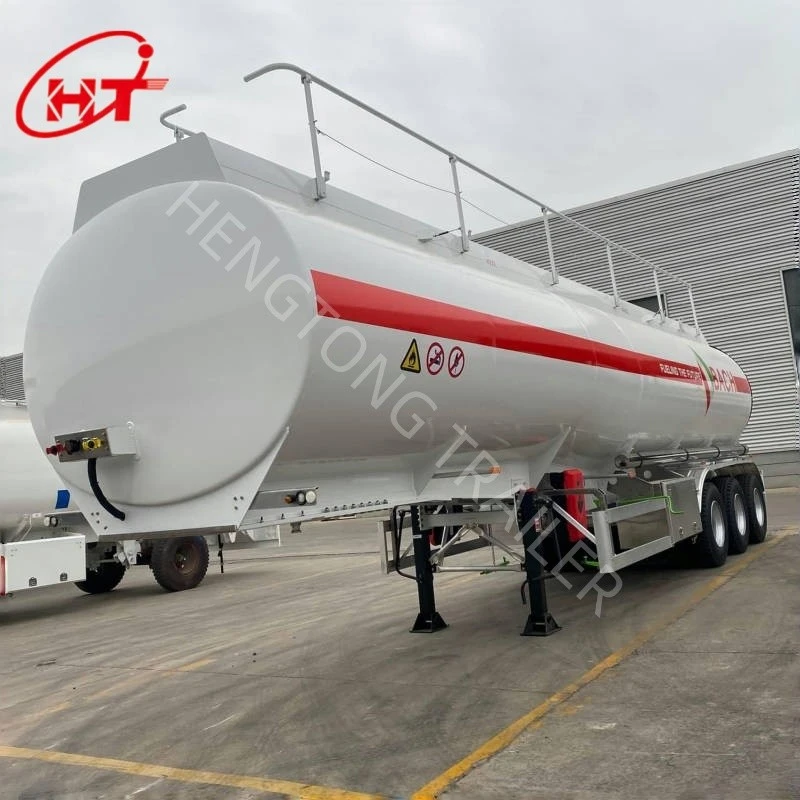
By the way, if you're looking for other types of trailers, we also have some great options. For example, if you're in the fuel transportation business, check out our 45000L Fuel Tanker Truck. It's designed to safely transport large volumes of fuel. And if you need to move heavy equipment like excavators, our Excavator Lowbed Trailer is a great choice. We also have the Low Loader Truck Semi Trailer, which is ideal for transporting oversized loads.
Contact Us for More Details
If you're interested in our fence semi - trailers or any of our other products, don't hesitate to get in touch. Whether you have questions about load capacity, pricing, or customization options, we're here to help. We can work with you to find the perfect trailer for your specific needs.
In conclusion, understanding the maximum load capacity of a fence semi - trailer is essential for anyone in the transportation industry. By considering factors like trailer design, material quality, tire rating, and regulatory constraints, you can make an informed decision when choosing a trailer. And remember, we're just a conversation away from helping you get the right trailer for your business.
References
- Local transportation regulations manuals
- Trailer manufacturing industry standards
- Product specifications from leading trailer manufacturers.


