

Hey there! As a supplier of Drum Brake Axle, I've had my fair share of experiences with all the components that make up these systems. One part that often doesn't get as much attention as it should is the master cylinder. So, let's dive into what the role of the master cylinder is in a drum brake axle system.
Understanding the Basics of a Drum Brake Axle System
Before we talk about the master cylinder, it's important to have a basic understanding of how a drum brake axle system works. A drum brake axle is a crucial part of a vehicle's braking system. It consists of a rotating drum attached to the wheel and brake shoes inside the drum. When you press the brake pedal, the brake shoes are pushed against the inside of the drum, creating friction and slowing down the wheel.
Now, the master cylinder plays a key role in making this whole process happen. It's like the control center for the hydraulic braking system in a drum brake axle.
What Exactly is a Master Cylinder?
The master cylinder is a device that converts the mechanical force you apply on the brake pedal into hydraulic pressure. It's usually located under the hood, near the firewall on the driver's side of the vehicle. When you press the brake pedal, a piston inside the master cylinder moves forward, forcing brake fluid through the brake lines to the wheel cylinders in the drum brake assemblies.
Think of it as a pump. Just like a pump moves water through a pipe, the master cylinder moves brake fluid through the braking system. This hydraulic pressure is what ultimately causes the brake shoes to press against the drum and slow down the vehicle.
The Role of the Master Cylinder in a Drum Brake Axle System
1. Pressure Generation
The primary role of the master cylinder is to generate hydraulic pressure. When you step on the brake pedal, the force you apply is transferred to the master cylinder. The piston inside the master cylinder then compresses the brake fluid, increasing its pressure. This high-pressure fluid is then sent to the wheel cylinders in the drum brake axle.
The amount of pressure generated depends on the force you apply on the brake pedal. The harder you press, the more pressure is created, and the stronger the braking force. This is why you can control the braking power of your vehicle by simply adjusting how hard you step on the brake pedal.
2. Distribution of Brake Fluid
Another important role of the master cylinder is to distribute the brake fluid evenly to all the wheel cylinders in the drum brake axle system. Most vehicles have a dual-circuit master cylinder, which means there are two separate hydraulic circuits. This is a safety feature. If one circuit fails, the other can still provide some braking power, allowing you to stop the vehicle safely.
The master cylinder ensures that each wheel cylinder receives an appropriate amount of brake fluid, so that all the brakes on the vehicle work together effectively. This is crucial for balanced and stable braking.
3. Compensation for Brake Wear
Over time, the brake shoes in a drum brake axle system wear down. As the brake shoes wear, the distance between the shoes and the drum increases. The master cylinder has a built-in mechanism to compensate for this wear.
It has a reservoir that stores extra brake fluid. As the brake shoes wear, more fluid is needed to push the shoes against the drum. The master cylinder can draw fluid from the reservoir to maintain the proper hydraulic pressure and ensure consistent braking performance.
Importance of a Well-Functioning Master Cylinder
A properly functioning master cylinder is essential for the safety and performance of a drum brake axle system. If the master cylinder fails, the hydraulic pressure cannot be generated or distributed correctly, and the brakes may not work at all.
Here are some signs that your master cylinder may be failing:

- Soft or Spongy Brake Pedal: If you notice that the brake pedal feels soft or spongy when you press it, it could be a sign of a problem with the master cylinder. This could be due to a leak in the hydraulic system or a worn-out piston.
- Low Brake Fluid Level: A low brake fluid level in the reservoir could indicate a leak in the master cylinder or the brake lines. It's important to check the brake fluid regularly and top it up if necessary.
- Brake Warning Light: If the brake warning light on your dashboard comes on, it could be a sign of a problem with the master cylinder or the braking system in general. You should have your vehicle checked by a professional mechanic as soon as possible.
Our Drum Brake Axles and Master Cylinders
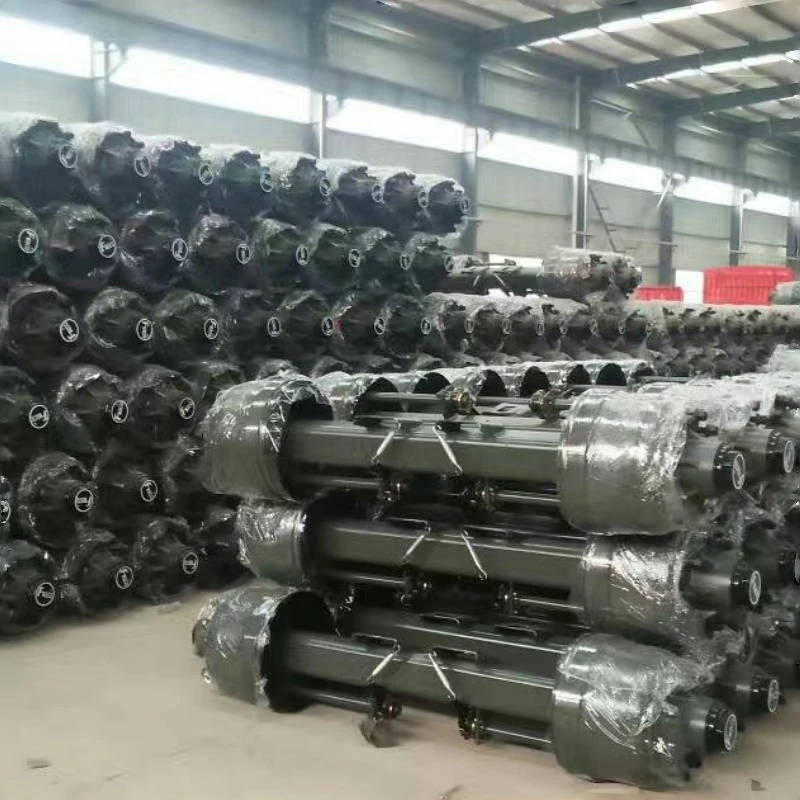
At our company, we understand the importance of a high-quality master cylinder in a drum brake axle system. That's why we offer a wide range of Drum Brake Axles that are equipped with reliable master cylinders.
We have different models to suit various applications, including 16T Axle and 13T Axle. Our drum brake axles are designed to provide excellent braking performance, durability, and safety.
Whether you're looking for a replacement axle for your trailer or a new axle for a custom build, we can help. Our team of experts can assist you in choosing the right drum brake axle and master cylinder combination for your specific needs.
Conclusion
In conclusion, the master cylinder is a vital component in a drum brake axle system. It plays a crucial role in generating hydraulic pressure, distributing brake fluid, and compensating for brake wear. A well-functioning master cylinder is essential for the safety and performance of your vehicle.
If you're in the market for a high-quality drum brake axle system, look no further. We're here to provide you with the best products and solutions. Contact us today to discuss your requirements and let's start a great business relationship!
References
- Automotive Brake Systems: Principles and Diagnosis, by James D. Halderman
- Modern Automotive Technology, by Thomas D. Gillespie


