

As a diesel trailer supplier, I've seen firsthand how crucial a proper maintenance schedule is for these workhorses of the transportation world. Diesel trailers are built tough, but they still need regular TLC to keep them running smoothly and safely. In this blog, I'll share some insights on what kind of maintenance schedule a diesel trailer should follow.
Pre - Trip Checks
Before every journey, a quick pre - trip check is a must. This doesn't take long, but it can prevent a lot of headaches down the road.
First off, check the tires. Look for any signs of wear, cuts, or bulges. Make sure the tire pressure is at the recommended level. Under - inflated or over - inflated tires can lead to uneven wear, poor fuel efficiency, and even blowouts. You can use a tire pressure gauge to get an accurate reading.
Next, inspect the lights. All the lights on the trailer, including brake lights, turn signals, and running lights, should be working properly. A non - functioning light can not only get you a ticket but also pose a serious safety hazard, especially at night or in bad weather.
Check the brakes as well. Make sure the brake pads have enough thickness and that there are no signs of leaks in the brake lines. You can give the brakes a quick test by gently applying them while the trailer is stationary. If you feel any sponginess or notice unusual noises, it's time to have them looked at.
Also, take a look at the hitch and coupling. Ensure that it's securely attached to the towing vehicle. Any loose connections can cause the trailer to detach while on the road, which is extremely dangerous.
Regular Maintenance Based on Mileage
Just like a car, diesel trailers have maintenance requirements based on mileage.
Every 5,000 - 10,000 miles, it's a good idea to change the engine oil and the oil filter. Clean oil is essential for the engine to run efficiently and to prevent premature wear. The oil filter traps dirt and debris, so replacing it regularly helps keep the oil clean.
At around 15,000 - 20,000 miles, you should check the air filter. A dirty air filter restricts airflow to the engine, reducing power and increasing fuel consumption. If it's dirty, replace it. It's a simple and inexpensive fix that can make a big difference.
When the trailer reaches 30,000 - 40,000 miles, it's time to inspect the suspension components. This includes the shocks, springs, and axles. Look for signs of wear, such as leaks in the shocks or cracks in the springs. A well - maintained suspension ensures a smooth ride and helps protect the trailer's cargo.

Seasonal Maintenance
Seasonal changes can have a significant impact on your diesel trailer, so it's important to adjust your maintenance schedule accordingly.
In the spring, after a long winter, give the trailer a thorough cleaning. Salt and other road chemicals used during the winter can cause corrosion. Wash the trailer inside and out, paying special attention to the undercarriage. You can also apply a protective coating to prevent rust.
Check the battery in the spring as well. Cold weather can take a toll on the battery, so make sure it's fully charged and that the terminals are clean and tight.
In the summer, the heat can put extra stress on the engine and the cooling system. Check the coolant level and make sure there are no leaks in the radiator or hoses. You might also want to have the air conditioning system checked if your trailer is equipped with one.
As fall approaches, start thinking about preparing the trailer for winter. Check the heater if you have one. Inspect the tires again to make sure they're in good condition for the wet and potentially icy roads. You might even consider switching to winter tires if you live in an area with heavy snowfall.
Specialized Trailer Maintenance
Different types of diesel trailers have their own unique maintenance needs.
If you have a 3 Axle Flatbed Semi Trailer, you need to pay close attention to the flatbed surface. Look for any signs of damage, such as dents or cracks. Repair or replace any damaged sections to ensure the safety of the cargo. Also, check the tie - down points regularly to make sure they're strong and secure.
For a 100T Lowbed Trailer, the axles and suspension are under a lot of stress due to the heavy loads. Inspect them more frequently than you would for a lighter trailer. Make sure the load - bearing components are in good condition and that the trailer can handle the weight safely.
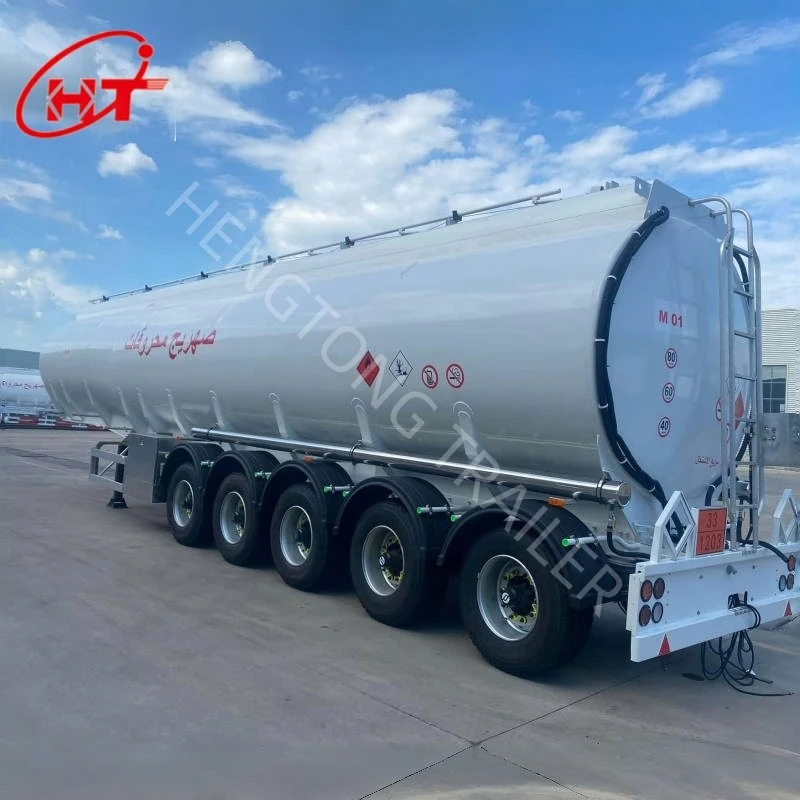
An Oil Tank Semi Trailer requires special maintenance to prevent leaks. Check the tank for any signs of corrosion or damage. Inspect the valves and fittings regularly to ensure they're tight and functioning properly. You should also have the tank pressure - tested periodically to make sure it's safe to transport oil.
Importance of Keeping Records
Keeping detailed maintenance records is crucial. It helps you stay on top of what maintenance has been done and when the next service is due. It can also be useful if you ever need to sell the trailer. A well - documented maintenance history can increase the resale value of the trailer.
You can use a simple spreadsheet or a dedicated maintenance app to keep track of all the maintenance activities, including the date, mileage, and what was done.
Conclusion
A proper maintenance schedule is the key to keeping your diesel trailer in top condition. By following these guidelines for pre - trip checks, mileage - based maintenance, seasonal maintenance, and specialized trailer care, you can ensure that your trailer is safe, reliable, and efficient.
If you're in the market for a new diesel trailer or need advice on maintenance, don't hesitate to reach out. We're here to help you make the best choice and keep your trailer running smoothly for years to come.
References
- "Trailer Maintenance Guide" - A handbook published by a leading trailer manufacturing association.
- "Diesel Engine Maintenance Basics" - An article from a well - known automotive magazine.


