

Hey there! As a cement trailer supplier, I know how crucial it is to ensure the quality of these trailers. After all, a high - quality cement trailer can save you a ton of headaches and keep your business running smoothly. So, let's dive into how you can check the quality of a cement trailer.
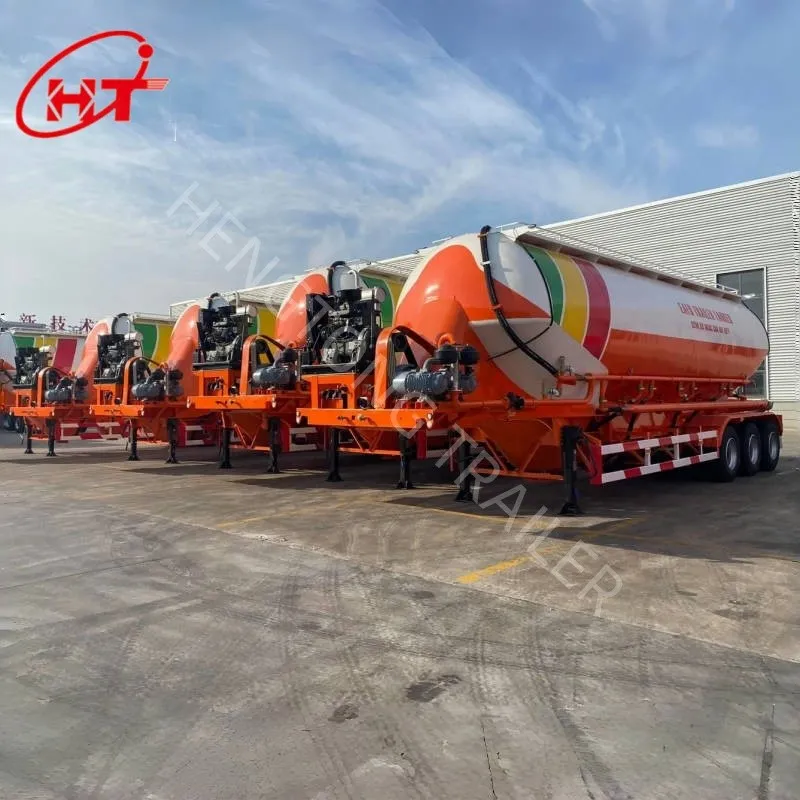

1. Structural Integrity
The first thing you gotta look at is the structural integrity of the trailer. The frame is the backbone of the cement trailer, and it needs to be strong enough to handle the weight of the cement and the rigors of the road.
- Visual Inspection: Take a good walk around the trailer. Look for any signs of cracks, bends, or rust on the frame. Cracks can be a serious issue as they can lead to the frame failing over time. Rust, on the other hand, can weaken the metal and make it more prone to damage. If you see any rust spots, check how deep they are. Surface rust can sometimes be treated, but deep - seated rust might be a sign of a bigger problem.
- Weld Quality: Check the welds on the frame and other components. Good welds should be smooth, continuous, and free of cracks or porosity. A poor weld can easily break under stress, which is a huge safety risk. You can use a magnifying glass if needed to get a closer look at the welds.
2. Tank Condition
The tank is where the cement is stored, so its condition is of utmost importance.
- Material Thickness: The thickness of the tank material matters a lot. A thicker tank is generally more durable and can withstand the pressure of the cement better. You can ask the supplier for the specifications of the tank material thickness. If possible, measure it yourself using a suitable measuring tool.
- Interior Coating: A good interior coating can prevent corrosion and make it easier to clean the tank. Check if the coating is intact and evenly applied. Any signs of peeling or chipping can lead to corrosion of the tank from the inside.
- Pressure Testing: A reliable way to check the tank's integrity is through pressure testing. This test can detect any leaks or weaknesses in the tank. A proper pressure test should be carried out according to industry standards. If the supplier has records of pressure tests, make sure to review them.
3. Axles and Suspension
The axles and suspension are responsible for supporting the weight of the trailer and ensuring a smooth ride.
- Axle Type and Capacity: Different trailers require different axle types and capacities. Make sure the axles on the cement trailer are suitable for the weight it will carry. You can check the axle rating plate to find out the maximum load capacity.
- Suspension System: A good suspension system can reduce the impact on the trailer and the cargo. Look for signs of wear and tear on the suspension components, such as springs, shock absorbers, and bushings. A worn - out suspension can cause uneven tire wear and make the trailer unstable on the road.
4. Braking System
The braking system is a critical safety feature of any trailer.
- Brake Pads and Shoes: Check the thickness of the brake pads and shoes. Worn - out brake pads and shoes can significantly reduce the braking performance. You should be able to see the brake pads through inspection ports. If they are close to the minimum thickness, it's a red flag.
- Brake Lines and Hoses: Inspect the brake lines and hoses for any signs of leaks, cracks, or damage. A leaking brake line can lead to a loss of braking power, which is extremely dangerous. Make sure all the connections are tight and secure.
5. Tires
Tires are the only contact point between the trailer and the road, so they need to be in good condition.
- Tire Tread Depth: Measure the tire tread depth using a tread depth gauge. Adequate tread depth is essential for good traction and safety. The legal minimum tread depth varies by region, but generally, you want to replace tires when the tread gets too low.
- Tire Condition: Look for any signs of cuts, bulges, or uneven wear on the tires. A cut or bulge can cause a tire to blow out, while uneven wear can indicate problems with the alignment or suspension.
6. Electrical System
The electrical system is used for lighting, signaling, and other functions.
- Lighting: Check all the lights on the trailer, including the brake lights, turn signals, and running lights. Make sure they are all working properly. A non - functioning light can be a safety hazard and can also get you in trouble with the law.
- Wiring: Inspect the wiring for any signs of damage, such as frayed wires or loose connections. Damaged wiring can cause electrical problems and even start a fire.
7. Loading and Unloading Equipment
Cement trailers come with specific loading and unloading equipment, and their quality is also important.
- Conveyor Systems: If the trailer has a conveyor system for unloading the cement, check its operation. The conveyor should move smoothly and be able to handle the flow of cement without jams or breakdowns.
- Hatches and Valves: Inspect the hatches and valves for proper sealing and operation. Leaky hatches or valves can lead to cement spills, which are not only a waste but also a safety and environmental hazard.
Conclusion
Checking the quality of a cement trailer is a comprehensive process that involves looking at many different aspects. By paying attention to the structural integrity, tank condition, axles and suspension, braking system, tires, electrical system, and loading and unloading equipment, you can ensure that you're getting a high - quality trailer that will serve you well for years to come.
If you're in the market for a cement trailer, we've got a great selection. We also offer 2 Axle Low Bed Trailer, Cement Tanker, and Lowbed Lowboy Trailer. Don't hesitate to reach out to us for more information and to start the procurement process. We're here to help you find the perfect trailer for your needs.
References
- "Trailer Maintenance and Inspection Guide" - Industry publication
- "Cement Trailer Standards and Regulations" - Government - issued document


